
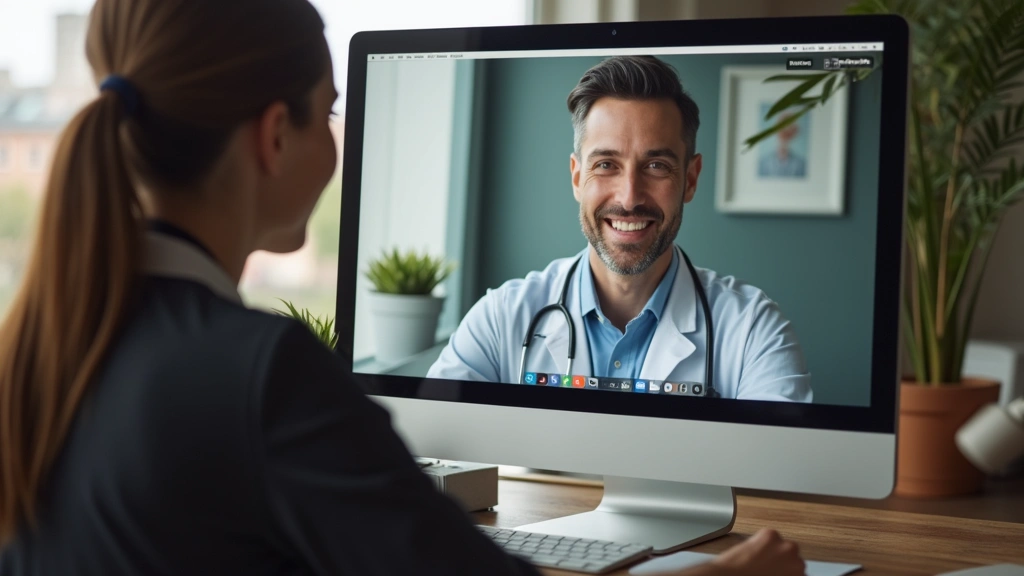
What Is an Online Primary Care Doctor and How Does It Work?
Online primary care has transformed how millions access healthcare. Instead of scheduling weeks-long appointments at physical offices, patients can now connect with board-certified doctors from home within hours. These physicians provide the same foundational medical services as traditional primary care doctors—managing your overall health, coordinating specialist referrals, and serving as your healthcare quarterback.
The shift toward telehealth primary care has accelerated significantly, with the CDC reporting that telehealth usage increased 38-fold during the pandemic and has remained elevated. Today, major insurance companies and healthcare systems recognize online primary care as a legitimate, cost-effective alternative to in-person visits for many common health needs.
What Services Can an Online Primary Care Doctor Provide?
Online primary care doctors handle a comprehensive range of services. They diagnose and treat cold, flu, sinus infections, urinary tract infections, and other acute conditions. They manage chronic diseases like diabetes, hypertension, and asthma through ongoing monitoring and medication adjustments. They also provide preventive care including annual wellness visits, health screenings, and vaccination recommendations. Additionally, they can order lab tests, place specialist referrals, and manage prescription refills—all without requiring an in-person visit.
How Much Does an Online Primary Care Doctor Cost?
Pricing varies significantly based on the platform and service model. One-time virtual doctor visits typically cost $50–$150, while comprehensive primary care subscriptions range from $50–$150 monthly. Many patients find online care 30–40% cheaper than urgent care visits and significantly less expensive than emergency room visits. Importantly, most major insurance plans now cover telehealth primary care at the same copay rates as in-person visits.

Is Online Primary Care Covered by Insurance?
Insurance coverage for online primary care has expanded dramatically. Medicare, Medicaid, and most private insurers including Aetna, Cigna, and UnitedHealth now cover telehealth visits. Coverage typically applies when you use in-network providers on approved platforms. However, coverage rules vary by state and specific plan, so checking your policy details before your first telehealth triage appointment is essential.
How Do You Choose a Reliable Online Primary Care Platform?
Selecting the right platform requires evaluating several factors. Verify that physicians are board-certified and licensed in your state. Confirm the platform uses HIPAA-compliant encryption for all communications. Check user reviews on independent sites and verify appointment availability matches your schedule. Ensure the platform accepts your insurance or offers transparent pricing. Integration with your pharmacy and electronic health records system also streamlines prescriptions and coordination with specialists.

Can an Online Primary Care Doctor Prescribe Medications?
Licensed physicians providing online primary care have full prescribing authority for most medications. They can prescribe antibiotics, blood pressure medications, allergy treatments, and other common medications. However, controlled substances (Schedule II–IV) have stricter regulations. Most states require an in-person evaluation before prescribing controlled medications, though some states allow telehealth prescribing under specific circumstances. Always confirm your state’s regulations and the platform’s prescribing policies before your visit.
What Are the Advantages and Limitations of Online Primary Care?
Online primary care excels in convenience, cost-effectiveness, and accessibility for patients in remote areas or with mobility challenges. Appointments are available evenings and weekends, reducing time away from work. The main limitation is the absence of physical examination capabilities—doctors cannot listen to your heart, check blood pressure directly, or palpate your abdomen. Complex conditions requiring hands-on evaluation should be handled in-person. Additionally, some diagnoses require imaging or lab work that online doctors must order separately.
Frequently Asked Questions
How quickly can I see an online primary care doctor?
Online primary care platforms prioritize speed. Many offer same-day appointments for acute conditions, with wait times typically under 2 hours during business hours. Established patients often get faster access. This contrasts sharply with traditional primary care, where appointments may require weeks of waiting.
Can online primary care doctors order blood tests and imaging?
Licensed online primary care doctors have full authority to order laboratory tests, imaging studies, and other diagnostic services. You complete these tests at nearby facilities or through mail-based kits, then results are reviewed during follow-up appointments. This integrated approach maintains comprehensive care continuity.
Is online primary care suitable for managing chronic conditions?
Online primary care effectively manages stable chronic conditions. Regular check-ins, medication monitoring, and lab result reviews happen seamlessly through digital platforms. However, complex cases requiring frequent in-person exams or emergency situations should involve in-person specialists.