

What is Remote Patient Monitoring and How Does It Work?
Remote patient monitoring has revolutionized how healthcare providers manage chronic diseases and post-operative care. By leveraging connected devices and secure digital platforms, RPM enables real-time health data collection and analysis, transforming patient care delivery from episodic office visits to continuous, data-driven monitoring. This shift represents a fundamental change in how patients with chronic conditions receive care management and clinical oversight.
The technology works by collecting patient health metrics through FDA-approved devices, transmitting data securely to cloud-based platforms, and alerting healthcare providers when predetermined thresholds are exceeded. This proactive approach prevents hospital readmissions, reduces emergency department visits, and improves patient outcomes while maintaining the convenience of home-based monitoring.
What Devices and Technologies Are Used in Remote Patient Monitoring?
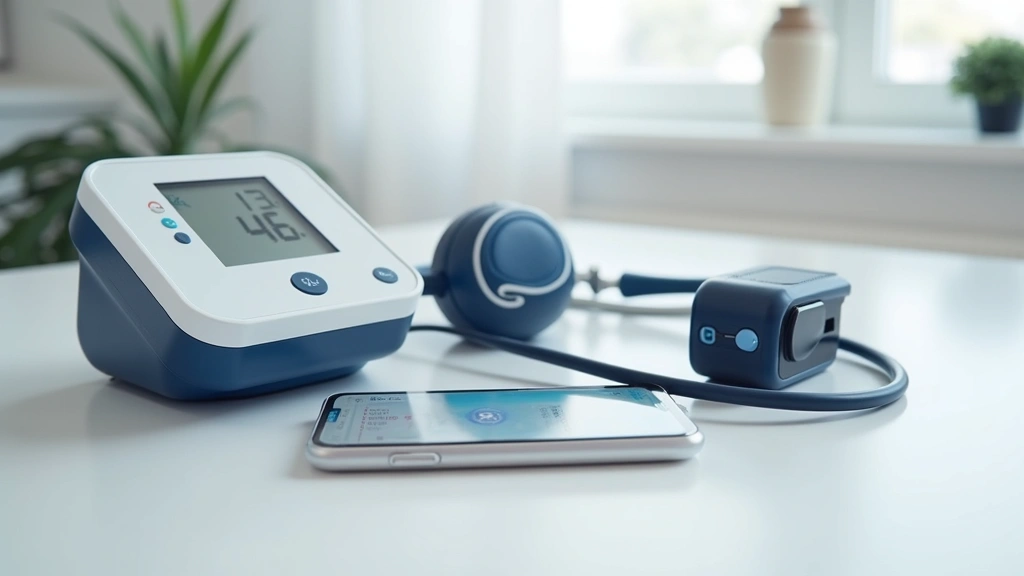
RPM technology encompasses a range of FDA-cleared devices and platforms. Wearable devices like smartwatches and chest patches continuously monitor heart rate, oxygen saturation, and activity levels. Connected medical devices—including automated blood pressure monitors, continuous glucose monitors (CGMs), and pulse oximeters—transmit readings wirelessly to secure cloud platforms. Mobile applications serve as the patient interface, enabling users to log symptoms, receive medication reminders, and view their health trends. Healthcare providers access integrated dashboards within electronic health records (EHRs) to review patient data and generate alerts for abnormal readings.
What Are the Clinical Benefits of Remote Patient Monitoring for Patients?
Clinical evidence demonstrates significant benefits for patients utilizing RPM. Studies show reduced hospital readmission rates, particularly for heart failure and COPD patients. Continuous monitoring allows providers to intervene early when vital signs deviate from baseline, preventing acute exacerbations. Patients report improved medication adherence through automated reminders and increased engagement in their care management. RPM also reduces the burden of frequent office visits, improving quality of life and reducing transportation barriers for elderly or mobility-limited patients.

Which Chronic Conditions Are Best Suited for Remote Patient Monitoring?
Heart failure patients benefit significantly from daily weight and blood pressure monitoring, as sudden weight gain often precedes decompensation. COPD patients can track oxygen saturation and respiratory symptoms, while diabetic patients use continuous glucose monitors to optimize insulin therapy. Hypertensive patients benefit from automated blood pressure tracking, and post-operative patients can be safely monitored at home during recovery. These conditions represent the strongest evidence base for RPM effectiveness and typically qualify for insurance reimbursement.
How Is Remote Patient Monitoring Reimbursed by Insurance and Medicare?
Medicare reimburses RPM services through established CPT codes for chronic care management. Providers must obtain patient consent, establish monitoring protocols, and document clinical management at least monthly. Reimbursement typically ranges from $40-$70 per month depending on monitoring intensity. Private insurers increasingly cover RPM for qualifying conditions, though coverage varies. Understanding telehealth prescribing requirements helps providers optimize reimbursement strategies.
What Are the Privacy and Security Concerns With Remote Patient Monitoring?
Data security is paramount in RPM implementation. All patient health information must be encrypted during transmission and storage. Platforms require multi-factor authentication and regular security audits. Providers must ensure vendors comply with HIPAA Business Associate Agreements (BAAs). Patients should understand data sharing practices and retention policies. Implementing robust cybersecurity measures protects against breaches and maintains patient trust in remote monitoring systems.
How Does Remote Patient Monitoring Differ From Telehealth and Virtual Care?
RPM and telehealth are complementary but distinct services. Telehealth encompasses synchronous video consultations and online chat with doctors, enabling real-time clinical interactions. RPM provides asynchronous data collection without requiring live consultation. Integrated programs combine RPM for continuous monitoring with periodic telehealth visits for clinical assessment, creating comprehensive virtual care models. Understanding healthcare interoperability ensures these technologies work seamlessly together.
What Challenges Do Healthcare Providers Face Implementing Remote Patient Monitoring?
Implementation barriers exist despite RPM’s clinical benefits. EHR integration requires significant technical infrastructure investment. Patient adoption challenges arise from technology unfamiliarity, particularly among elderly populations. Alert fatigue occurs when systems generate excessive notifications, reducing clinical attention. Staff training demands resources and time. Regulatory compliance with HIPAA and state telehealth laws requires ongoing attention. Organizations implementing AI adoption in healthcare can enhance RPM analytics and workflow efficiency.
Frequently Asked Questions
Is remote patient monitoring covered by Medicare?
Medicare coverage requires at least 16 days of monitoring per month with documented patient consent and monthly provider assessment. Coverage varies by state and plan, so verification is essential before implementation.
What devices do patients need for remote patient monitoring?
Most RPM programs provide or recommend specific FDA-cleared devices compatible with their platforms. Patients need basic smartphone or tablet access and reliable internet connectivity.
How often do healthcare providers review remote patient monitoring data?
Acute alerts trigger immediate provider notification, while routine data reviews occur during scheduled monitoring periods. Documentation requirements ensure compliance with reimbursement and regulatory standards.