
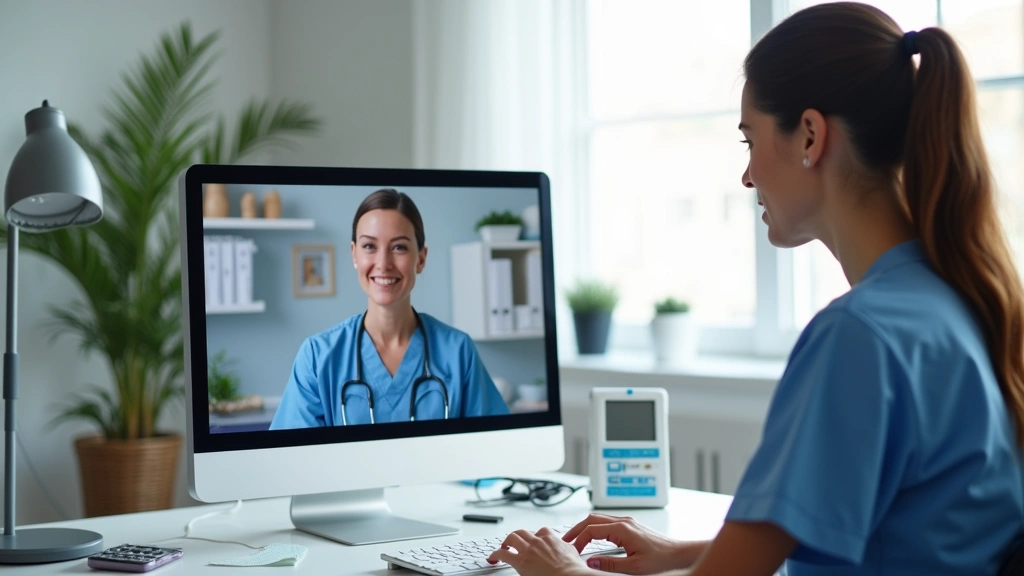
Telehealth NP Jobs: Current Opportunities and Career Growth in Remote Nursing Practice
The telehealth industry is experiencing unprecedented expansion, creating significant career opportunities for nurse practitioners seeking flexibility and competitive compensation. The shift toward virtual care delivery has transformed how healthcare is accessed, enabling NPs to serve patients across state lines while maintaining work-life balance. Understanding the landscape of telehealth NP positions—from employer types to licensing requirements—is essential for nurses considering this career transition.
What Types of Telehealth Companies Are Actively Hiring Nurse Practitioners?
The telehealth employment market spans diverse organizations. Large established platforms like Teladoc and Amwell operate nationwide networks connecting NPs with millions of patients. Retail healthcare providers such as CVS and Amazon have expanded virtual services, creating dedicated remote NP roles. Specialized telehealth startups focusing on mental health, dermatology, or chronic disease management also represent growing opportunities. Additionally, traditional health systems are building internal telehealth divisions, offering hybrid positions that combine remote and occasional in-person work. Digital health innovations continue to expand employment pathways for qualified NPs.
What Are Typical Salary Ranges and Benefits for Telehealth NP Positions?
Compensation for telehealth NPs is competitive and often exceeds traditional clinic positions. Base salaries range from $100,000 to $130,000, with top performers earning $150,000+ through productivity bonuses. Benefits packages typically include comprehensive health insurance, 401(k) matching, paid time off, and continuing education allowances. The elimination of commute costs and professional wardrobe expenses provides additional financial advantages. Many telehealth employers offer flexible scheduling, allowing NPs to work part-time, full-time, or on-call arrangements. Sign-on bonuses and loan repayment programs are increasingly common recruitment incentives.

What Qualifications and Certifications Are Required?
Most telehealth employers require a Master’s degree in Nursing with NP certification from accredited programs. Family Nurse Practitioner (FNP) credentials are most widely sought, though Acute Care NP (ACNP) and Psychiatric Mental Health NP (PMHNP) specialties command strong demand. Active state licensure and DEA registration for prescribing authority are non-negotiable. Many positions require multi-state licensure or willingness to obtain additional state licenses. Prior clinical experience—ideally 1–3 years—strengthens applications significantly. Familiarity with electronic health records and telehealth platforms is increasingly expected. Healthcare access expansion has driven credential standardization across platforms.
How Do Telehealth NP Jobs Differ From Traditional In-Person Roles?
The fundamental difference lies in delivery modality and patient interaction. Telehealth NPs conduct consultations exclusively through video, phone, or secure messaging, eliminating physical examinations. Patient volumes typically increase—some NPs see 15–20 patients daily versus 8–12 in traditional settings. Administrative tasks are often streamlined with automated scheduling and documentation systems. However, telehealth NPs cannot perform hands-on assessments, requiring strong diagnostic reasoning and patient communication. Building deep patient relationships takes longer without in-person continuity. Telehealth positions also demand greater self-discipline and home office setup investment. Remote patient monitoring technologies help compensate for physical distance limitations.

What Are State Licensing and Regulatory Requirements?
Telehealth NPs must navigate a complex regulatory landscape. Some states require NP licensure in every state where patients reside, while others permit practice with a single license. Approximately 30 states mandate physician collaboration or supervision agreements for NP prescribing authority. Telehealth-specific regulations continue evolving—some states restrict certain conditions from virtual care. DEA registration is essential for prescribing controlled substances. The National Association of Boards of Pharmacy (NABP) provides resources on state-specific requirements. Employers typically assist with multi-state licensure applications and compliance documentation.
What Skills and Experience Do Telehealth Employers Prioritize?
Telehealth employers seek NPs with exceptional verbal and written communication abilities—clarity matters more without physical presence. Time management and organizational skills are critical for handling high patient volumes efficiently. Proficiency with electronic health records and comfort learning new telehealth platforms are essential. Experience managing acute, self-limited conditions common in virtual settings—urinary tract infections, upper respiratory infections, medication refills—is highly valued. Mental health expertise commands premium compensation. Demonstrated ability to build patient trust remotely through empathy and active listening distinguishes top candidates. Technical troubleshooting capability and adaptability to evolving platforms are increasingly important.
How Do I Find and Apply for Telehealth NP Job Openings?
Multiple pathways exist for discovering telehealth NP opportunities. General job boards—Indeed, LinkedIn, and ZipRecruiter—list numerous positions when filtered for “telehealth” and “nurse practitioner.” Specialized healthcare staffing agencies like FlexMedStaff, Staffing 360, and Aya Healthcare focus exclusively on remote nursing placements. Major telehealth platforms maintain active career pages with rolling recruitment. Industry publications like MedPage Today and Healthcare IT News post job announcements. Networking within professional organizations—American Association of Nurse Practitioners (AANP) and specialty societies—often reveals unadvertised opportunities. Tailoring applications to highlight relevant experience and remote work readiness significantly improves interview conversion rates.
Frequently Asked Questions
Do telehealth NP positions require previous telehealth experience?
Many successful telehealth NPs transition from in-person settings. Employers recognize that strong clinical judgment and patient assessment skills transfer effectively. However, demonstrating comfort with technology and willingness to adapt to virtual workflows is important during interviews.
Can NPs work for multiple telehealth platforms simultaneously?
Part-time telehealth positions enable portfolio careers. NPs often combine full-time employment with supplemental gig work, provided no non-compete agreements restrict this arrangement. Always review contract terms carefully before accepting multiple positions.
What is the job outlook for telehealth NP positions over the next five years?
Telehealth adoption continues accelerating post-pandemic. Increased patient demand for convenient care, combined with provider shortages and insurance reimbursement improvements, ensures sustained job growth in remote nursing practice for the foreseeable future.