
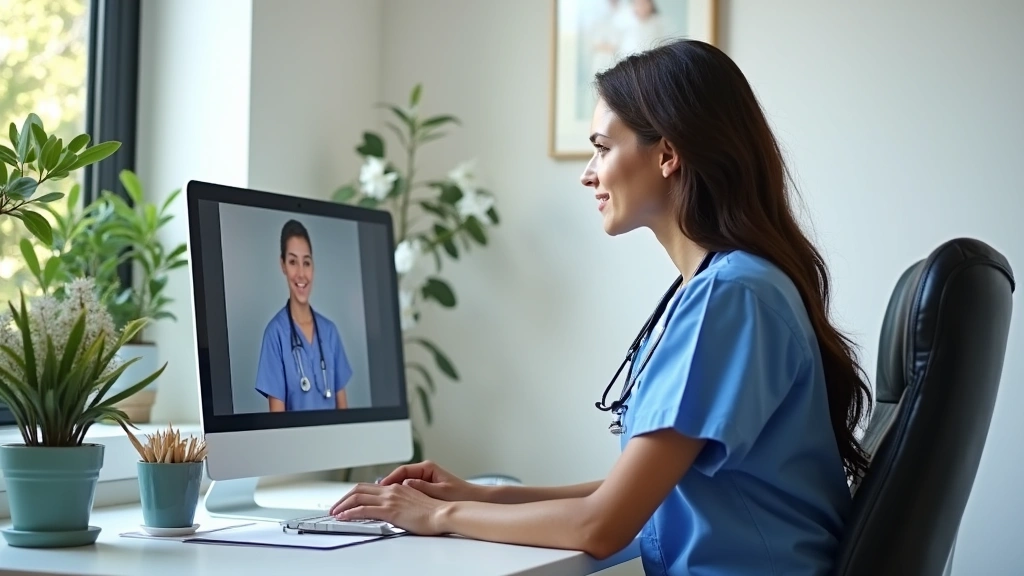
Telehealth RN Jobs: What They Are and How to Find Them
The healthcare industry has undergone significant transformation with the rise of digital health solutions, creating unprecedented opportunities for registered nurses to work remotely. Telehealth RN positions have become one of the fastest-growing segments in nursing employment, offering flexibility and accessibility to healthcare professionals nationwide.
Whether you’re seeking work-life balance, eliminating commute time, or exploring new career opportunities, understanding telehealth nursing roles is essential. This guide covers everything you need to know about finding and securing a telehealth RN position.
What Types of Telehealth Nursing Positions Are Available?
Telehealth nursing encompasses diverse specializations. Virtual triage nurses assess patient symptoms and direct them to appropriate care levels. Telehealth nurses working for online medical consultation platforms conduct patient assessments and coordinate with physicians. Case management nurses develop care plans for complex patients, while health coaches provide preventive education and chronic disease management support.
What Are Salary and Compensation Expectations?
Compensation varies based on employer size, patient volume, and experience level. Many telehealth positions offer flexible part-time or full-time arrangements, allowing nurses to control their income. Additional benefits often include health insurance, retirement plans, and continuing education support.
What Qualifications Do Telehealth RN Positions Require?
Essential requirements include a current, unrestricted RN license in your state. Most employers prefer nurses with clinical experience in emergency departments, urgent care, or customer service. Technical proficiency with electronic health records (EHRs) and video conferencing platforms is increasingly important.

Which Companies and Platforms Hire Telehealth Nurses?
Leading telehealth platforms actively recruit nursing professionals. Insurance companies hiring nurses for member support lines represent another significant opportunity. Staffing agencies specializing in remote healthcare positions can connect you with multiple employers simultaneously.
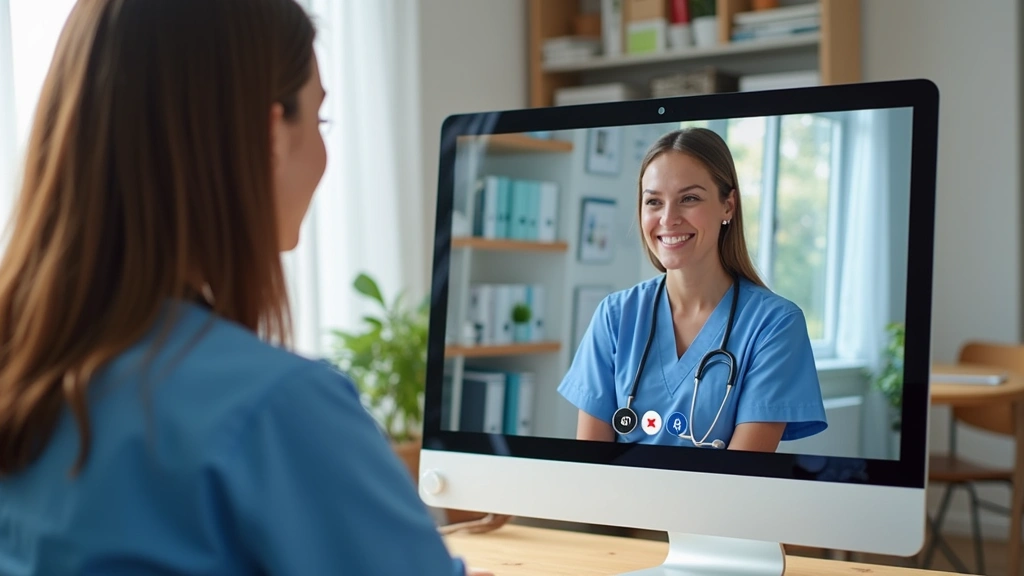
How Do I Apply for and Land a Telehealth RN Job?
Begin by identifying target employers and visiting their career pages. Customize your resume emphasizing communication, time management, and relevant clinical experience. Prepare for interviews by discussing your home workspace setup and technology capabilities. Consider certifications in telehealth or related areas to strengthen your application.
What Are the Pros and Cons of Telehealth Nursing?
Telehealth nursing offers significant lifestyle benefits and eliminates transportation costs. However, nurses should understand that these roles differ substantially from traditional clinical settings. Building professional connections with colleagues requires intentional effort in remote environments. Consider whether your nursing goals align with assessment-based rather than hands-on care delivery.
Frequently Asked Questions
Do I need a specific RN license type for telehealth work?
Many telehealth companies operate across state lines, requiring nurses to hold licenses in multiple states. The Nurse Licensure Compact (NLC) simplifies this process for participating states, allowing a single license to cover multiple jurisdictions.
Can I work part-time as a telehealth RN?
Flexibility varies by employer. Some platforms allow you to set your own hours, while others require minimum weekly commitments. Discuss scheduling options during the interview process.
What technology do I need for a telehealth RN position?
Some employers provide equipment or stipends for home office setup. Ensure your internet connection is stable and your workspace meets HIPAA privacy requirements for patient confidentiality. Check the healthcare technology regulation requirements in your area.