
What Is Telehealth? Definition, Types, Benefits & How It Works
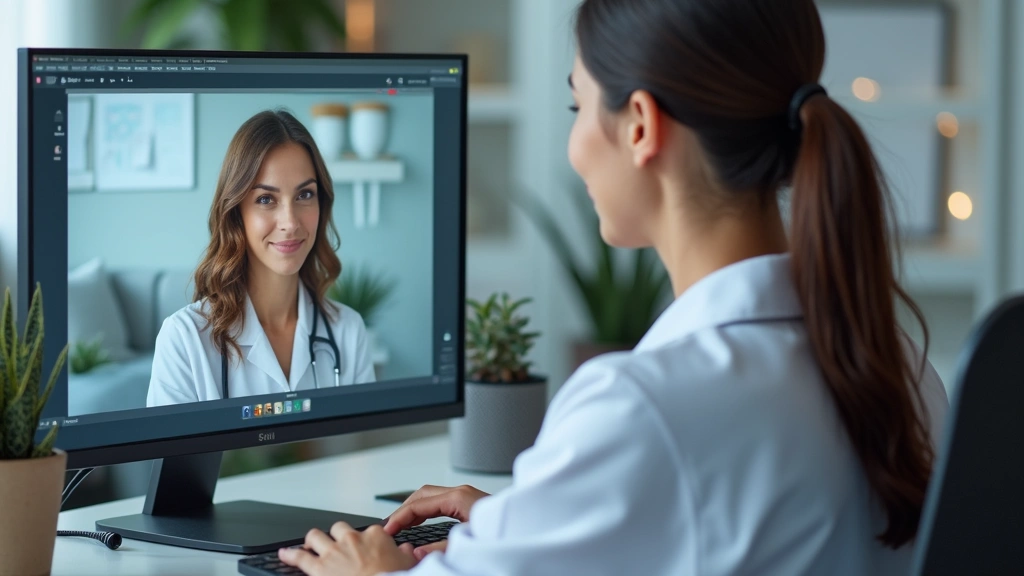
Telehealth has transformed how patients access medical care by breaking down geographical and logistical barriers. Rather than scheduling appointments weeks in advance or traveling to crowded waiting rooms, patients can now connect with doctors from home, work, or anywhere with an internet connection. This shift represents one of the most significant changes in healthcare delivery over the past decade.
The COVID-19 pandemic accelerated telehealth adoption dramatically. According to research, telehealth utilization increased from 1% of primary care visits pre-pandemic to over 38% by mid-2021, fundamentally reshaping patient expectations and provider capabilities.
What Are the Main Types of Telehealth Services?
Synchronous telehealth involves live, real-time interactions between patients and providers through video conferencing. Asynchronous services allow patients to submit health information, photos, or questions that providers review and respond to later. Remote monitoring uses wearable devices and home equipment to track vital signs continuously. Online doctor visits represent the most common type, handling routine consultations, follow-ups, and specialist referrals.
How Does Telehealth Differ from Telemedicine?
Telemedicine is a subset of telehealth focused solely on diagnosing and treating diseases. Telehealth includes telemedicine but also covers health education, administrative consultations, provider training, and public health initiatives delivered digitally. Understanding this distinction helps clarify what services fall under each category.
What Technology Platforms Are Used for Telehealth?
AFC Telehealth and MDLive exemplify specialized platforms designed for healthcare. Providers must use HIPAA-compliant technology to protect patient privacy. Most platforms integrate with EHR systems, enabling seamless access to medical records during consultations.

What Are the Main Benefits of Telehealth?
Patients save time and money by eliminating travel. Healthcare access expands significantly in rural communities where specialist availability is limited. Telehealth enables better chronic disease management through frequent monitoring and communication, reducing hospital readmissions and complications.
What Are the Limitations or Challenges of Telehealth?
Telehealth cannot replace hands-on physical examinations or emergency care. Some patients lack reliable internet or technological literacy. Healthcare technology regulation varies by state, complicating provider licensing. Privacy and data security remain ongoing concerns requiring robust cybersecurity measures.
What Conditions Can Be Treated Through Telehealth?
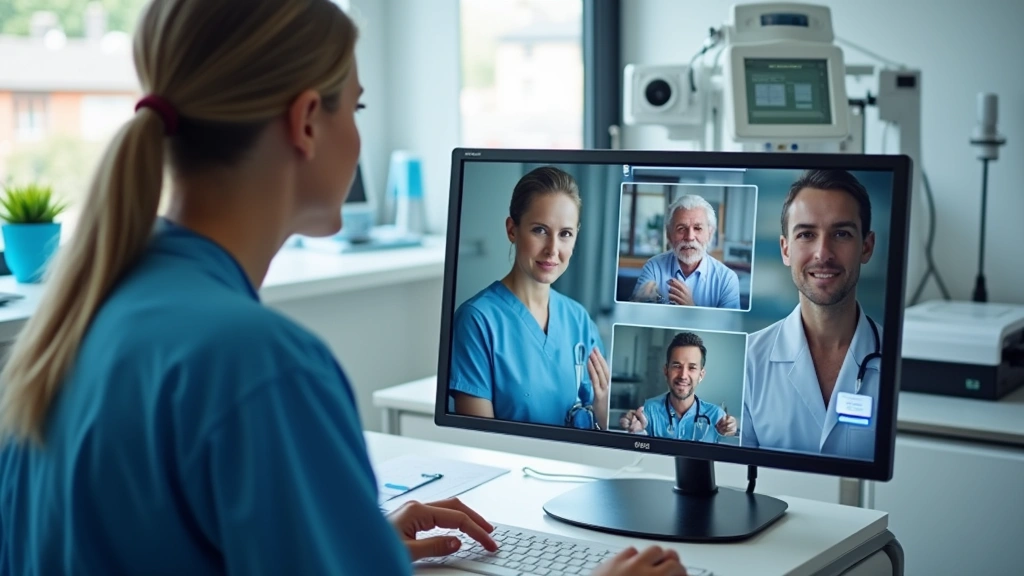
Mental health services thrive in telehealth environments, offering increased accessibility and reduced stigma. Dermatologists can evaluate skin conditions through high-quality photos. Primary care physicians manage hypertension, diabetes, and other chronic conditions effectively remotely. However, acute injuries, severe infections, and surgical emergencies require in-person evaluation.
Is Telehealth Covered by Insurance and What Are the Costs?
Insurance coverage has expanded significantly post-pandemic. Medicare now covers telehealth services for beneficiaries, with copays similar to in-person visits. Private insurers increasingly reimburse telehealth at equivalent rates. Some direct-pay platforms offer affordable options for uninsured patients. Always verify coverage with your insurance provider before scheduling.
Frequently Asked Questions
Is telehealth secure and private?
Always use provider-approved platforms rather than personal video apps. Be cautious about telehealth fraud and verify provider credentials before sharing personal health information.
Do I need special equipment for telehealth appointments?
Some remote monitoring services require additional devices like blood pressure monitors or pulse oximeters, which providers typically supply or recommend.
Can I get prescriptions through telehealth?
Federal regulations limit telehealth prescriptions for controlled substances, typically requiring an initial in-person evaluation before remote refills.