
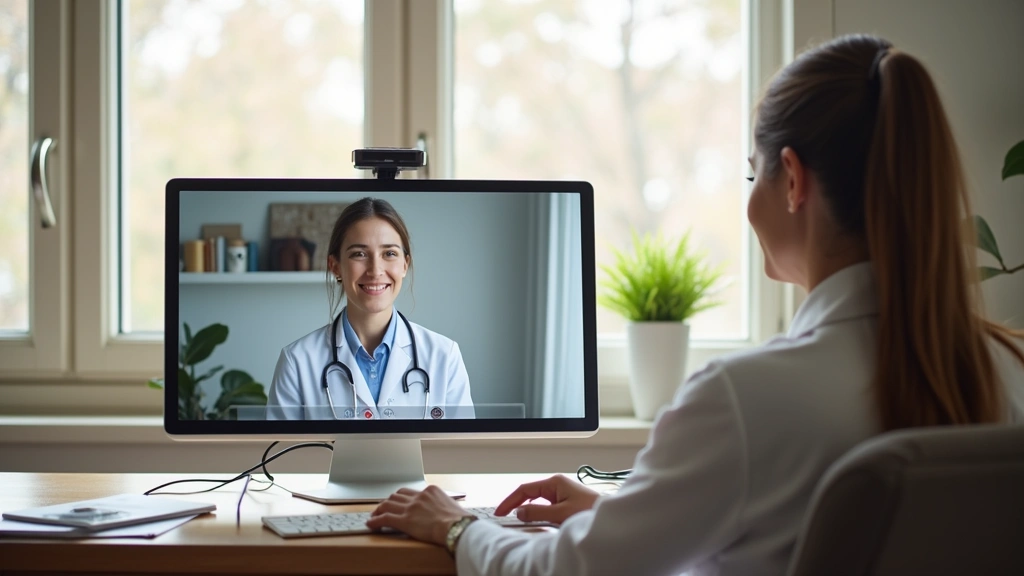
What is Medicaid Telehealth and How Does It Work?
Medicaid telehealth has transformed how low-income Americans access healthcare, removing barriers of transportation, time, and cost. Since the COVID-19 pandemic, telehealth coverage has expanded dramatically across all 50 states, making remote medical consultations a standard benefit for millions of Medicaid beneficiaries. Understanding how this program works can help eligible patients access the care they need more conveniently.
The program operates through state Medicaid agencies that reimburse healthcare providers for delivering services remotely. This includes primary care physicians, mental health professionals, specialists, and other licensed practitioners. The flexibility of telehealth—whether through video calls, phone consultations, or secure messaging—makes healthcare more accessible to those who face challenges with transportation or scheduling.
What Services Are Covered Under Medicaid Telehealth?
Most Medicaid telehealth programs cover a broad range of services. Mental health counseling and psychiatric consultations are widely available, addressing the significant shortage of mental health providers in many areas. Primary care visits for routine checkups, acute illnesses, and medication management are standard offerings. Many states also cover specialist consultations in dermatology, cardiology, and other fields through telehealth platforms.
Which States Offer Medicaid Telehealth Coverage?
Universal coverage across all states represents a major shift from pre-pandemic policies. However, the extent of coverage varies considerably. Some states reimburse telehealth at the same rate as in-person visits, while others pay lower rates. State-specific policies also determine which types of providers can offer telehealth, whether initial visits can be conducted remotely, and geographic restrictions.

How Do You Access Medicaid Telehealth Services?
Access typically begins with your Medicaid managed care plan or primary care provider. Many plans have partnerships with established telehealth platforms that offer video visits, phone consultations, and secure messaging. You can also find providers through your state’s Medicaid website or call your plan’s member services line for a list of available telehealth options. Some providers offer direct-to-consumer telehealth services that accept Medicaid insurance.
What Are the Eligibility Requirements for Medicaid Telehealth?
Medicaid eligibility is determined by your state and typically based on household income, family size, age, disability status, or pregnancy. Once enrolled in Medicaid, you automatically have access to telehealth services covered by your state plan. Income thresholds vary—some states cover individuals up to 138% of the federal poverty level, while others have different limits.

What Are the Costs and Copays for Medicaid Telehealth Visits?
One of the major advantages of Medicaid telehealth is affordability. Many states eliminated copays for telehealth during the pandemic and have maintained this policy. When copays do apply, they’re typically minimal. Prescription medications obtained through telehealth visits are covered under your Medicaid pharmacy benefit, which usually includes generic medications at no cost.
How Does Medicaid Telehealth Compare to In-Person Care?
Telehealth excels for follow-up visits, medication management, mental health services, and routine consultations. However, conditions requiring physical examination—such as abdominal pain, skin lesions, or injury assessment—may still need in-person visits. Many providers use a hybrid approach, conducting initial assessments via telehealth and scheduling in-person visits when necessary. Studies show telehealth is equally effective for managing chronic conditions like diabetes and hypertension.
What Are the Limitations and Restrictions of Medicaid Telehealth?
Telehealth has limitations that beneficiaries should understand. Many states restrict controlled substance prescribing through telehealth, requiring in-person visits for certain medications. Technology access can be challenging for those without reliable internet or smartphones. Additionally, some specialists may not participate in Medicaid telehealth networks, limiting specialist access in certain areas. State policies also vary regarding whether initial visits can be conducted remotely.
Frequently Asked Questions
Can I use any telehealth app with Medicaid?
Your Medicaid managed care plan will provide a list of approved telehealth providers and platforms. Using non-approved services may result in out-of-pocket costs. Always verify that your provider accepts Medicaid before scheduling a telehealth visit.
Do I need a primary care provider to access Medicaid telehealth?
Some Medicaid managed care plans require a primary care provider referral, while others allow direct access to telehealth services. Check your plan’s specific requirements or contact member services for clarification.
Are telehealth prescriptions covered by Medicaid pharmacy benefits?
Medicaid covers most generic medications at no cost or minimal copay. Controlled substances have additional restrictions that vary by state and may require in-person visits to obtain.