
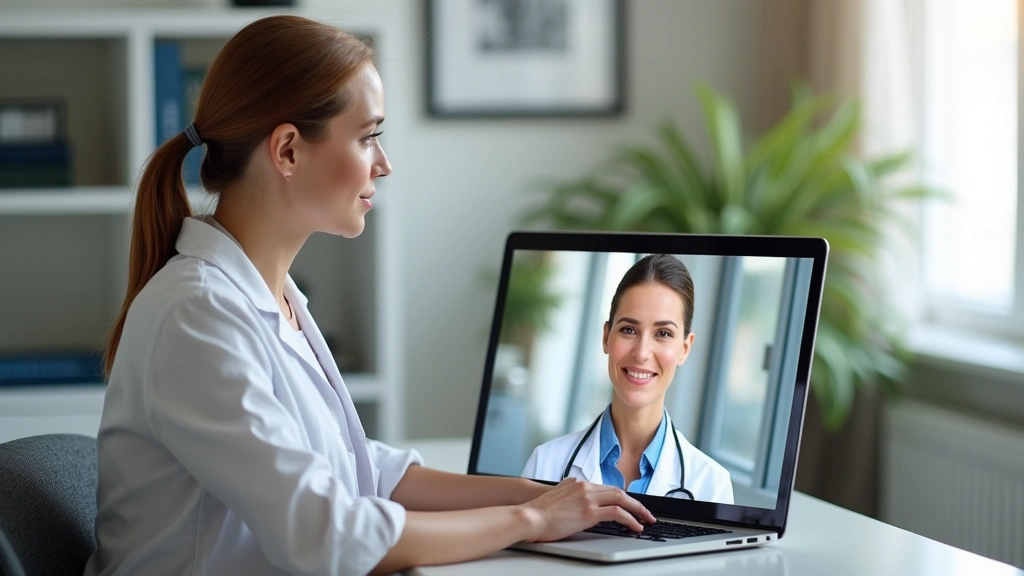
What Is Telehealth Dermatology and How Does It Work?
Telehealth dermatology has transformed how patients access skin care services. Instead of scheduling appointments weeks in advance and traveling to a dermatologist’s office, patients can now connect with board-certified dermatologists from home using their smartphone, tablet, or computer. This digital approach to dermatology combines convenience with professional medical expertise, making it an increasingly popular option for managing common skin conditions.
The technology works by connecting patients directly with dermatologists through secure, HIPAA-compliant platforms. Patients describe their skin concerns, share photos or videos, and discuss their medical history during the virtual consultation. The dermatologist then provides a diagnosis, recommends treatment options, and can electronically send prescriptions directly to pharmacies.
What Skin Conditions Can Be Treated Through Telehealth Dermatology?
Telehealth dermatology effectively treats many common skin conditions. Acne, one of the most frequently addressed concerns, responds well to remote consultation and topical or oral medication recommendations. Eczema, psoriasis, and rosacea can be managed through virtual visits with appropriate skincare routines and prescribed treatments. Fungal infections like athlete’s foot and ringworm are also suitable for telehealth diagnosis based on clinical photos and patient descriptions. However, conditions requiring procedures such as mole removal, laser therapy, or severe skin cancer cases typically require in-person evaluation.
How Much Does Telehealth Dermatology Cost Compared to In-Person Visits?
Cost savings represent one of telehealth dermatology’s biggest advantages. Traditional in-person dermatology appointments often cost $150-$400, while virtual consultations range from $75-$200. This significant reduction reflects lower overhead costs for telehealth providers. Most major insurance plans now reimburse telehealth dermatology at the same rate as in-person visits, though coverage varies by plan and may require prior authorization. For uninsured patients, the lower cost makes professional dermatological care more financially accessible.

What Are the Advantages and Disadvantages of Telehealth Dermatology?
Telehealth dermatology offers substantial benefits for patients seeking convenient care. Virtual appointments eliminate travel time, reduce wait times to days rather than weeks, and allow consultations from home or work. However, limitations exist: dermatologists cannot perform physical examinations, biopsies, or procedures. Some complex skin conditions require in-person evaluation for accurate diagnosis. Additionally, patients with poor internet connectivity or those uncomfortable with technology may find telehealth challenging.
Which Telehealth Platforms Offer Dermatology Services?
Several established telehealth platforms specialize in dermatology services. Teladoc and Amwell connect patients with board-certified dermatologists for general skin concerns. Ro and Nurx focus on prescription skincare and acne treatment. Curology offers personalized skincare regimens with dermatologist oversight. Doctor on Demand provides broader telehealth services including dermatology. Each platform has different pricing, insurance acceptance, and response times, so patients should compare options based on their specific needs and insurance coverage.

Do Insurance Plans Cover Telehealth Dermatology Visits?
Insurance coverage for telehealth dermatology has expanded significantly. Medicare, Medicaid, and most private insurers now cover virtual dermatology consultations. However, coverage details vary—some plans may require referrals or prior authorization, while others cover telehealth only through specific platforms. Patients should verify coverage with their insurance provider before scheduling appointments. For those without insurance, many telehealth platforms offer affordable self-pay options, and some provide online medical consultations with transparent pricing.
How Do Dermatologists Diagnose Skin Conditions Without In-Person Examination?
Remote diagnosis relies on visual assessment and patient information. Patients submit clear, well-lit photos of affected skin areas from multiple angles. During the video consultation, dermatologists ask detailed questions about symptom onset, duration, associated itching or pain, and previous treatments. They review the patient’s medical history, current medications, and family skin conditions. This comprehensive approach allows experienced dermatologists to diagnose most common skin conditions accurately. For uncertain cases, dermatologists may recommend follow-up appointments or in-person evaluation.
What Prescriptions Can Dermatologists Send Through Telehealth?
Telehealth dermatologists have broad prescribing authority for skin conditions. They commonly prescribe topical medications like hydrocortisone cream for eczema, benzoyl peroxide for acne, and ketoconazole for fungal infections. Oral medications such as antibiotics for bacterial skin infections and antihistamines for allergic reactions are also available. Retinoids like tretinoin for acne and anti-aging are frequently prescribed. Prescriptions are electronically transmitted to the patient’s preferred pharmacy, usually within hours, making medication access seamless and convenient.
Frequently Asked Questions
Is telehealth dermatology as effective as in-person visits?
Research demonstrates that telehealth consultations produce reliable diagnoses for conditions like acne, eczema, and fungal infections. The limitation appears primarily with complex cases requiring procedural intervention or when physical examination is clinically necessary.
How quickly can I get a telehealth dermatology appointment?
The rapid appointment availability is one of telehealth’s greatest advantages. Patients can often schedule consultations for the next available time slot, making telehealth ideal for urgent skin concerns.
Can I switch to in-person dermatology if telehealth doesn’t work for me?
Telehealth is designed as a starting point for skin care. If a condition requires procedures, biopsies, or more thorough examination, your telehealth dermatologist will recommend transitioning to in-person care or refer you to a local specialist.