
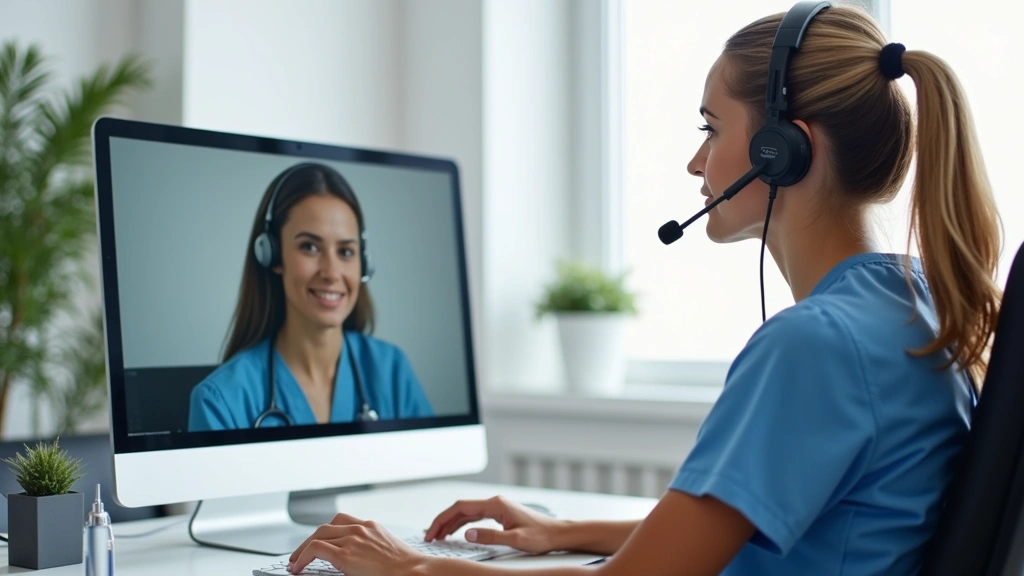
Telehealth Nursing Positions: What They Are and How to Find Them
The healthcare industry has undergone significant transformation, with telemedicine becoming a cornerstone of modern patient care. Telehealth nursing represents one of the fastest-growing career paths in healthcare, offering registered nurses the opportunity to deliver quality care without traditional office constraints. Whether you’re seeking work-life balance, expanded career opportunities, or a career change, telehealth nursing positions provide diverse options across multiple specialties and employer types.
This guide explores what telehealth nursing positions entail, the qualifications required, compensation expectations, and practical strategies for securing these remote healthcare roles.
What Types of Telehealth Nursing Jobs Are Available?
Telehealth nursing encompasses multiple specialized roles. Triage nurses assess patient symptoms and determine appropriate care levels. Virtual care coordinators manage patient schedules and facilitate communication between providers and patients. Remote patient monitoring nurses oversee chronic disease management using digital health devices. Telehealth RN advisors provide clinical guidance through nurse hotlines, while utilization review nurses evaluate insurance coverage and treatment necessity. Each role offers unique responsibilities and skill development opportunities within the expanding digital healthcare landscape.
What Qualifications and Certifications Do I Need for Telehealth Nursing?
Entry requirements vary by employer and position type. A current, active RN license is mandatory for all telehealth nursing roles. Most employers prefer candidates with at least 1-3 years of clinical nursing experience, though some entry-level positions accept newer graduates. Additional certifications in specialties like pediatrics, cardiology, or critical care can strengthen your application. Familiarity with EHR systems and healthcare technology increasingly influences hiring decisions.

How Much Do Telehealth Nurses Earn?
Compensation varies significantly based on multiple factors. Full-time telehealth nursing positions average $55,000-$70,000 annually, while experienced nurses in specialized roles can earn $75,000 or more. Per diem positions typically offer higher hourly rates ($35-$50/hour) but lack benefits. Geographic location influences salary, with major metropolitan areas offering higher compensation. Employer type matters—large telehealth platforms and major insurance companies often provide better benefits packages than smaller organizations.
What Are the Top Companies Hiring Telehealth Nurses?
Leading telehealth platforms actively recruit nursing talent. Teladoc and Amwell operate nationwide networks with continuous hiring. CVS Minute Clinic and Amazon Care combine retail and tech-driven approaches. Insurance companies like United Healthcare and Aetna employ nurses for utilization review and care coordination. Regional hospital systems increasingly establish dedicated telehealth departments. Staffing agencies specializing in healthcare also connect nurses with telehealth opportunities. Check company career pages, LinkedIn, and healthcare job boards like Indeed and FlexMed for current openings.

What Are the Advantages and Disadvantages of Telehealth Nursing?
Telehealth nursing offers substantial advantages: work from home eliminates commuting, flexible scheduling improves work-life balance, and reduced physical demands decrease occupational injuries. The role allows broader geographic reach for patient care. However, challenges exist: limited hands-on patient assessment, technology failures disrupt workflow, and licensing across multiple states requires careful navigation. Some nurses report reduced professional fulfillment from decreased face-to-face interaction. Understanding both aspects helps determine if telehealth aligns with your career goals.
What Technology and Skills Do I Need for Telehealth Nursing Work?
Technical competency is crucial for telehealth success. You must master electronic health records, video conferencing software (Zoom, Teams), and practice management systems. Strong written and verbal communication becomes paramount without physical presence. Active listening skills help assess patient needs through limited sensory input. A dedicated home office with high-speed internet (minimum 25 Mbps), professional lighting, and noise control ensures quality interactions. Many employers provide technology training, but foundational computer literacy accelerates your onboarding and effectiveness in the role.
How Do Licensing and State Regulations Affect Telehealth Nursing Positions?
Licensing complexity significantly impacts telehealth nursing careers. The Nurse Licensure Compact currently includes 37 states, allowing nurses to practice across state lines with a single license. However, non-compact states (including California, Texas, and Florida) require separate state licensure. Many telehealth companies hire exclusively from compact states to simplify compliance. Before applying, verify your state’s compact status and understand additional licensing requirements. The National Council of State Boards of Nursing (NCSBN) provides current NLC information and reciprocity guidelines for telehealth practitioners.
Frequently Asked Questions
How do I find telehealth nursing job openings?
Start with Indeed and LinkedIn using keywords like “telehealth nurse” or “remote RN.” Follow major employers’ career pages for first access to openings. Specialized platforms like FlexMed, Nomad Health, and Nurse.com focus on remote healthcare positions. Healthcare staffing agencies maintain extensive telehealth networks and can match you with opportunities. Join nursing Facebook groups and Reddit communities where nurses share job leads and company reviews.
Do telehealth nursing positions offer benefits like traditional nursing jobs?
Full-time telehealth nursing positions from established companies provide competitive benefits comparable to traditional roles. However, benefits vary significantly. Per diem and independent contractor positions typically offer no benefits, requiring you to secure your own health insurance and retirement planning. Always clarify benefit details during interviews and negotiate package components like flexible scheduling that offset missing benefits.
Can new graduate nurses work in telehealth positions?
Traditional telehealth employers typically require clinical experience to assess patient conditions remotely. However, some online primary care platforms and administrative roles hire new graduates for non-clinical positions like care coordination. Gain initial experience through hospital employment, then transition to telehealth after building clinical competency and confidence in patient assessment.