
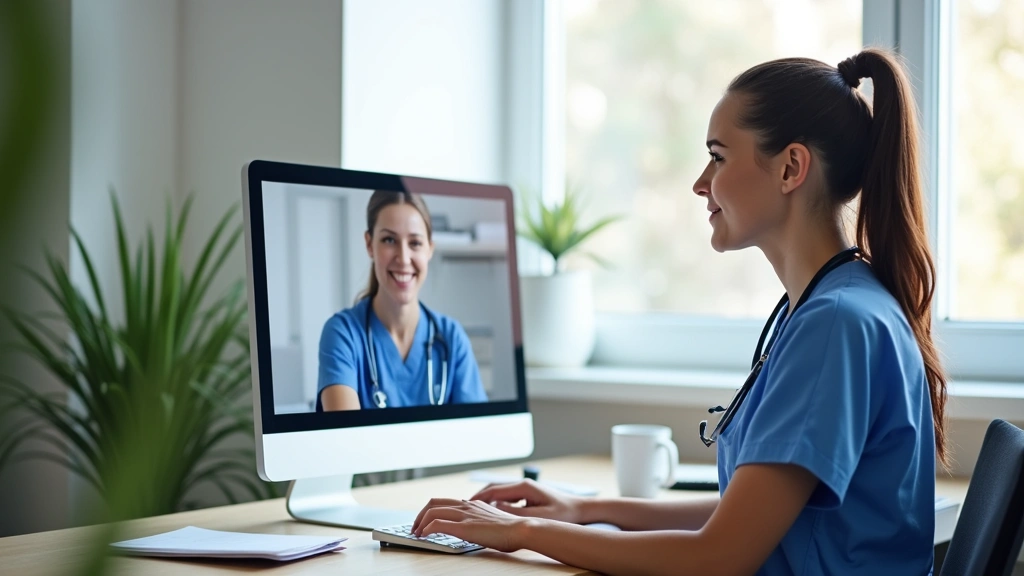
Telehealth Jobs for Nurses: Opportunities, Salaries, and Requirements
The telehealth industry has transformed nursing careers, creating flexible remote opportunities that maintain clinical impact while offering work-life balance. The U.S. telehealth market is projected to grow significantly, driving substantial demand for qualified nursing professionals across multiple sectors.
Whether you’re seeking a career transition or exploring remote work options, understanding the telehealth nursing landscape helps you identify roles that match your clinical expertise and lifestyle preferences.
What Are the Different Types of Telehealth Nursing Positions Available?
Telehealth nursing encompasses diverse positions suited to different clinical backgrounds. Virtual care RNs conduct patient assessments and consultations via video, while triage nurses screen patient symptoms and determine appropriate care levels. Patient monitoring specialists track vital signs and health metrics for chronic disease patients, and care coordinators manage treatment plans and insurance navigation. Nurse educators develop and deliver digital health content, and administrative nurses handle clinical documentation and quality assurance for digital health platforms.
What Qualifications and Certifications Do Nurses Need for Telehealth Jobs?
Entry requirements vary by position type and employer. All positions require current licensure in your state, with many requiring 2-5 years of clinical nursing experience. Valuable certifications include Registered Nurse (RN) credentials, Case Management Certification (CCM), Certified Telehealth Nurse (CTN), and specialty certifications. Strong computer skills, familiarity with electronic health records (EHR), and HIPAA compliance knowledge are essential for AFC telehealth positions.

Which Companies and Platforms Are Hiring Telehealth Nurses?
Top telemedicine platforms like Teladoc Health, American Well, and MDLive actively recruit nurses for virtual consultations and triage. Major insurance companies including UnitedHealth, Cigna, and Aetna employ nurses in care management and utilization review roles. Large healthcare systems like CVS Health and Walgreens offer remote nursing positions, while specialized companies focus on mental health, chronic disease management, and occupational health services.
What Is the Salary Range for Telehealth Nursing Positions?
Compensation varies significantly based on role specialization and employer size. Entry-level positions start around $50,000, while experienced nurses in specialized roles earn $75,000-$85,000 or more. Benefits typically include health insurance, retirement plans, paid time off, and continuing education allowances. Many remote positions offer flexible scheduling, reducing commute costs and increasing overall work-life value.
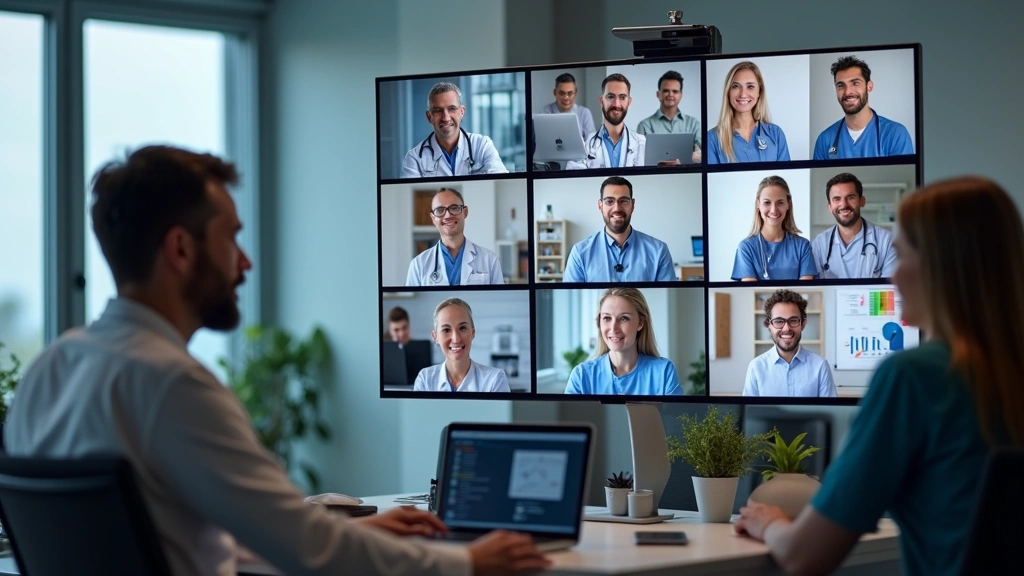
What Are the Advantages and Disadvantages of Working as a Telehealth Nurse?
Telehealth nursing offers significant lifestyle advantages: flexible scheduling, home-based work, and elimination of commute time. Clinical benefits include exposure to diverse patient populations and developing strong communication skills. However, nurses experience reduced hands-on patient care, potential technology frustrations, and must navigate multi-state licensing requirements. Building rapport through screens requires intentional communication strategies, and isolation can be challenging for nurses who thrive on in-person team environments.
What Skills Are Most Important for Success in Telehealth Nursing?
Success in telehealth requires distinct competencies beyond traditional nursing. Exceptional verbal communication and active listening compensate for lack of physical assessment cues. Technical literacy with EHR systems, video platforms, and medical devices is non-negotiable. Self-motivation and discipline help manage remote work environments, while strong clinical judgment supports accurate virtual assessments. Empathy and patience build patient trust despite physical distance, and adaptability helps navigate evolving healthcare technology regulation.
How Do Licensing and State Regulations Affect Telehealth Nursing Jobs?
Nursing licensure directly impacts telehealth opportunities. The Nurse Licensure Compact (NLC) enables nurses to practice across multiple member states with a single license, significantly expanding job opportunities. Non-compact states require separate licenses for each state where you practice. Some states impose additional telehealth regulations, including specific informed consent requirements, prescriber relationships, and documentation standards. Understanding your state’s healthcare regulations before pursuing positions is essential.
Frequently Asked Questions
Can I work as a telehealth nurse without prior nursing experience?
Clinical experience is crucial because telehealth nurses must assess patients without physical examination capabilities. Building this foundation in traditional settings strengthens your ability to succeed remotely.
What technology do I need to work as a telehealth nurse?
Most employers provide or reimburse technology costs. A dedicated workspace meeting HIPAA privacy standards is essential for patient confidentiality.
Are telehealth nursing jobs permanent or contract-based?
Review employment terms carefully to understand benefits, scheduling flexibility, and job security before accepting positions.