

How Does Telehealth Work for Weight Loss Management?
Telehealth has revolutionized weight loss management by making professional support accessible from home. Instead of scheduling in-person appointments, patients now access board-certified doctors, registered dietitians, and health coaches through their smartphones or computers. This shift has democratized weight loss care, allowing millions to receive evidence-based treatment regardless of location or schedule constraints.
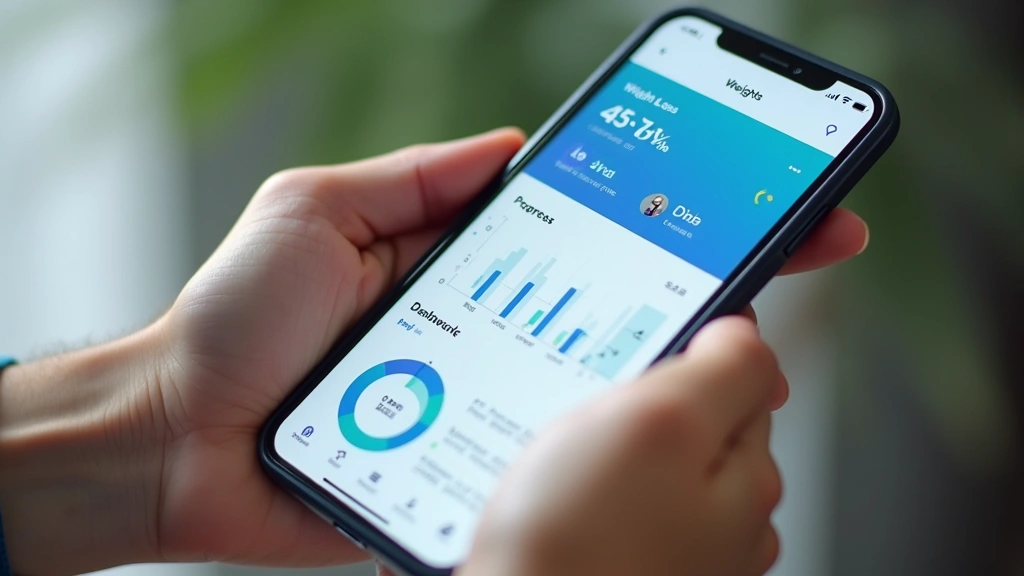
The telehealth weight loss model combines clinical expertise with technology-driven monitoring. Providers review medical histories, assess weight loss readiness, and create personalized treatment plans that may include prescription medications, dietary counseling, and behavioral strategies. Patients track progress through apps, wearable devices, and regular check-ins with their care team.
What Types of Telehealth Weight Loss Services Are Available?
Telehealth weight loss services span a wide spectrum. Basic offerings include consultations with registered dietitian nutritionists who create personalized meal plans and provide nutrition education. Mid-tier programs add prescription medication management for FDA-approved weight loss drugs. Premium comprehensive programs integrate all elements: medical evaluation, medication prescribing, nutritional counseling, fitness coaching, behavioral psychology support, and continuous progress monitoring through digital dashboards.
How Much Does Telehealth Weight Loss Cost and Is It Covered by Insurance?
Pricing varies significantly based on service complexity. Single consultations with dietitians cost $50-150, while doctor consultations for medication prescribing range from $100-300. Monthly subscription programs typically cost $150-500 depending on included services. Insurance coverage depends on your plan and whether providers are in-network. Many plans cover consultations with registered dietitians and physician visits, but medication costs and coaching services may require out-of-pocket payment.
What Are the Benefits of Choosing Telehealth for Weight Loss Versus In-Person Care?
Telehealth eliminates travel time, allowing patients to attend appointments from home or work. This accessibility is particularly valuable for individuals in rural areas with limited weight loss specialists. Scheduling flexibility accommodates busy lifestyles, with many providers offering early morning, evening, and weekend appointments. Response times are typically faster than in-person clinics. However, virtual care cannot provide hands-on physical assessments or direct body composition measurements, which some patients may prefer.
Which Telehealth Weight Loss Platforms and Companies Are Most Popular?
Major telehealth weight loss platforms vary in their approach. Ro and Calibrate specialize in GLP-1 medications with medical oversight. Noom combines behavioral psychology with app-based tracking. Teladoc and Livongo integrate weight loss into broader virtual care networks. Amazon Clinic offers basic consultations through its healthcare initiative. Each platform has different provider credentials, medication options, and coaching availability, so comparing services based on your specific needs is essential.

What Medications Are Prescribed Through Telehealth Weight Loss Programs?
GLP-1 receptor agonists like semaglutide (Ozempic, Wegovy) and tirzepatide (Zepbound) are increasingly prescribed through telehealth for their proven effectiveness. Phentermine remains available through telehealth providers for short-term use. Combination therapies like naltrexone/bupropion (Contrave) and topiramate offer alternatives. Providers select medications based on BMI, medical conditions, medication interactions, and individual response to treatment. All prescriptions require medical evaluation and ongoing monitoring.
How Effective Is Telehealth Weight Loss Compared to Traditional Weight Loss Methods?
Research published in peer-reviewed journals demonstrates that telehealth weight loss programs produce comparable or superior outcomes to traditional methods. Patients using comprehensive telehealth programs that combine medication, nutrition counseling, and behavioral support typically achieve 5-15% body weight reduction within 6-12 months. The convenience and accessibility of telehealth may actually improve adherence rates compared to in-person programs.
What Should I Expect During a Telehealth Weight Loss Consultation?
Your first telehealth appointment will involve a comprehensive health history, including past weight loss attempts, current medications, and medical conditions. The provider will calculate your BMI, discuss realistic weight loss goals, and assess medication eligibility. You’ll likely complete questionnaires about eating habits and lifestyle. Follow-up appointments occur monthly or quarterly to monitor progress, adjust treatment plans, and provide ongoing support. Most platforms use secure messaging for quick questions between appointments.
Frequently Asked Questions
Is telehealth weight loss safe and regulated?
Legitimate telehealth weight loss services operate under strict regulatory oversight. Providers must be licensed physicians, nurse practitioners, or physician assistants. All medications prescribed are FDA-approved for weight loss. Reputable platforms verify provider credentials and maintain HIPAA-compliant systems. Always confirm your provider’s credentials through your state’s medical board.
Can I get weight loss medication through telehealth without a consultation?
Any legitimate telehealth provider will require at least one consultation before prescribing weight loss medications. This evaluation protects your health by identifying potential drug interactions, contraindications, and ensuring the medication is appropriate for your specific situation. Services offering medications without consultations are not following proper medical standards.
How do I choose between different telehealth weight loss platforms?
Evaluate platforms based on your specific needs. If you want medication-focused care, choose providers specializing in GLP-1 agonists. If behavioral support matters more, select platforms emphasizing coaching and psychology. Check whether they accept your insurance, offer flexible scheduling, and have positive patient reviews. Many providers offer free initial consultations to help you assess fit before committing.