
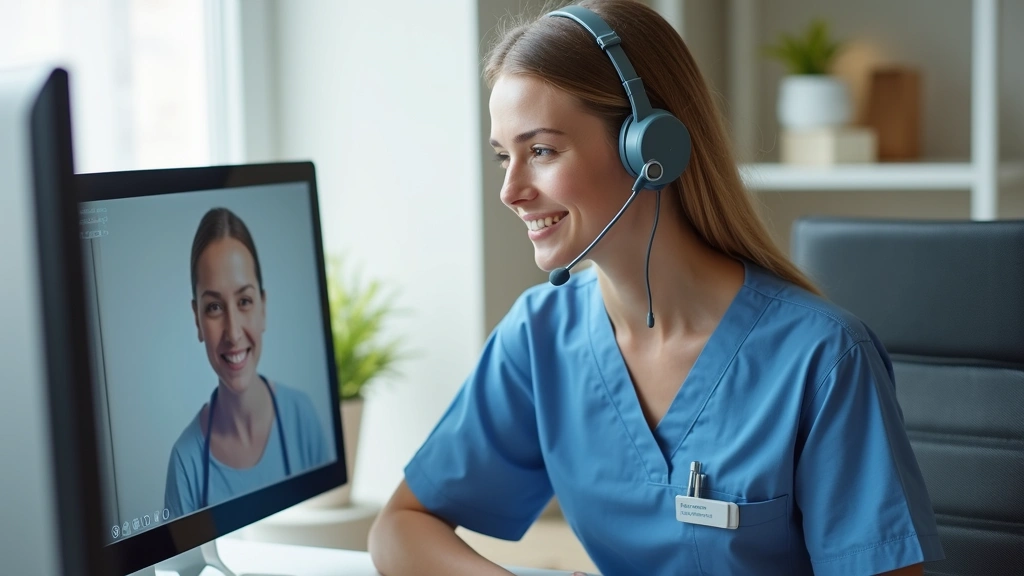
Telehealth Nursing Jobs: Types, Qualifications, and How to Apply
The telehealth industry has experienced rapid growth, creating abundant opportunities for nurses seeking flexible, remote work arrangements. Whether you’re transitioning from bedside nursing or building your career in digital health, understanding the landscape of available positions is essential to landing the right role.
Telehealth nursing combines clinical expertise with technology proficiency, allowing nurses to provide patient care from anywhere. This guide covers the types of positions available, required qualifications, top employers, and strategies for securing your telehealth nursing job.
What Types of Telehealth Nursing Positions Are Available?
Virtual nurse triage positions involve assessing patient symptoms and determining appropriate care levels through phone or video consultations. Remote case managers coordinate care for patients with chronic conditions, managing treatment plans and insurance authorizations. Telehealth patient coordinators schedule appointments, collect intake information, and support clinical teams. Many nurses also work as virtual care coordinators supporting physicians during remote consultations, or as clinical documentation specialists ensuring accurate electronic health records.
What Qualifications and Licenses Do I Need?
An active nursing license in your state is fundamental. Employers prefer candidates with bedside experience in acute care, emergency departments, or ambulatory settings. You’ll need comfort navigating electronic health records and telehealth software platforms. Some positions require specialty certifications like RN-BC (Board Certified) or experience in specific areas like case management or utilization review. Check your state’s nursing board for telehealth-specific regulations.

Which Companies and Platforms Hire Telehealth Nurses?
Leading telehealth platforms actively recruit nurses for various roles. Teladoc and Amwell operate nationwide networks requiring experienced clinical staff. Insurance companies like Aetna, Cigna, and Humana hire nurses for utilization review and case management. Hospital systems increasingly offer remote nursing positions supporting remote patient monitoring programs. Urgent care platforms and retail health clinics also provide telehealth nursing opportunities. Government agencies and Veterans Affairs offer remote nursing positions with competitive benefits.
What Is the Salary and Compensation?
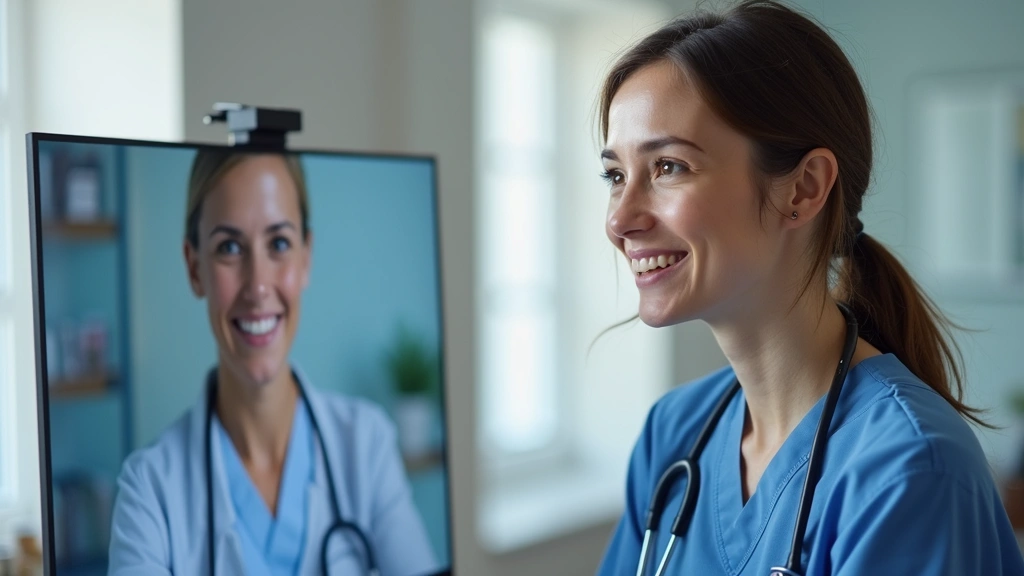
Entry-level telehealth positions start around $45,000-$55,000, while experienced nurses with specialized certifications earn $60,000-$75,000. Large healthcare systems and insurance companies typically offer higher compensation. Most positions include benefits like health insurance, 401(k) matching, paid time off, and flexible scheduling. Many employers offer performance bonuses or incentive pay based on patient satisfaction scores and productivity metrics.
How Do I Apply for and Land a Telehealth Nursing Job?
Start by searching Indeed, LinkedIn, and specialty healthcare job boards for “telehealth nurse” positions. Tailor your resume to highlight relevant clinical experience, EHR proficiency, and any remote work background. During interviews, emphasize communication skills, time management, and ability to work independently. Demonstrate familiarity with telehealth platforms and your understanding of virtual care workflows. Follow up promptly and professionally after applying.
What Skills Ensure Success in Telehealth Nursing?
Excellent verbal and written communication is critical since you cannot rely on physical assessment cues. Strong time management helps you juggle multiple virtual appointments and administrative tasks. Clinical assessment skills remain essential for evaluating patient symptoms through conversation alone. Technology proficiency—including video conferencing, EHR navigation, and troubleshooting—is non-negotiable. Self-motivation and discipline are vital since you’ll work independently without direct supervision.
Frequently Asked Questions
Do I need a specific state license to work telehealth across state lines?
Most telehealth employers handle multi-state compliance and guide you through the licensing process for states where they operate.
Can I transition from bedside nursing to telehealth without prior remote experience?
Highlight your clinical expertise and willingness to learn new technology during the interview process.
What technology setup do I need for a telehealth nursing job?
Verify equipment requirements during the hiring process before accepting an offer.