

Telehealth Registered Nurse Jobs: Opportunities, Salary & Requirements
The telehealth nursing industry has experienced explosive growth over the past five years, creating thousands of new employment opportunities for registered nurses seeking remote work options. Unlike traditional hospital-based nursing, telehealth RN positions allow nurses to deliver quality patient care from home while maintaining work-life balance and eliminating commute stress. This shift represents a fundamental change in how healthcare is delivered in America.
Registered nurses considering telehealth careers will find diverse roles across multiple platforms and healthcare organizations, each with distinct responsibilities, compensation structures, and advancement opportunities. Understanding these positions can help you identify which telehealth nursing path aligns with your clinical experience and career goals.
What Are the Main Types of Telehealth Nursing Roles Available?
Virtual triage nurses assess patient symptoms through phone or video consultations, determining urgency and appropriate care levels. Remote patient monitoring nurses track chronic disease management for patients using connected devices, reviewing data and alerting providers to concerning trends. Telehealth visit coordinators support physicians during virtual appointments, documenting notes and managing patient flow. Clinical advisors provide expert nursing guidance to digital health platforms on clinical protocols and patient safety standards.
What Are Typical Salary and Compensation Ranges?
Compensation varies based on experience, certifications, and employer size. Major telehealth platforms often provide comprehensive benefits including health insurance, retirement plans, continuing education allowances, and performance bonuses. The elimination of commute costs and childcare expenses can add significant financial value beyond base salary.
What Qualifications and Certifications Are Required?
Most telehealth employers require current RN licensure in states where patients reside. Clinical experience in acute care, emergency departments, or specialty areas strengthens applications. Additional certifications like CCRN, CEN, or RN-BC demonstrate advanced expertise and increase earning potential. Strong communication skills and comfort with technology are essential for success in virtual environments.
Which Companies Are Actively Hiring Telehealth Nurses?
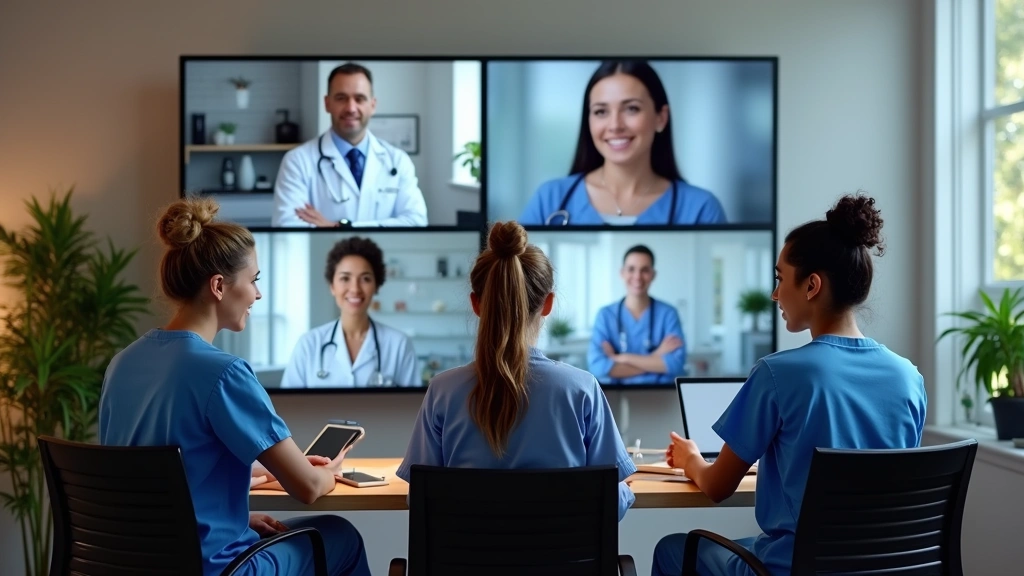
Large insurance companies and integrated healthcare systems increasingly hire telehealth nurses to manage member populations. Dedicated telehealth platforms have become major employers, with Teladoc and Amwell leading the market. Traditional hospitals now offer remote nursing positions to expand service capacity. Specialty telehealth providers focusing on mental health, dermatology, and chronic disease management also actively recruit experienced RNs.
What Are the Key Advantages and Disadvantages?
Telehealth nursing offers unprecedented schedule flexibility and eliminates physical workplace stress. However, nurses miss direct patient interaction and may experience less clinical variety. Technology failures can disrupt workflow, and some nurses report feeling disconnected from the broader healthcare team. Career advancement may be more limited compared to hospital-based positions requiring on-site presence.

How Do Telehealth Roles Differ From Traditional Hospital Nursing?
Hospital nurses perform complex clinical procedures, medication administration, and continuous bedside monitoring. Telehealth nurses rely on patient self-reporting and virtual assessment skills to gather clinical information. Telehealth positions typically offer scheduled shifts with predictable hours, while hospital nursing often includes unpredictable call schedules and shift work. Both roles require strong clinical judgment but apply it differently.
Frequently Asked Questions
Do I need multiple state licenses to work as a telehealth nurse?
Nursing licensure is state-specific, so telehealth nurses serving multiple states need licenses in each jurisdiction. Platforms like telehealth prescribing services manage compliance, but nurses bear responsibility for maintaining current licensure.
What technology skills do telehealth nurses need?
Basic computer literacy and comfort learning new software are essential. Employers typically provide comprehensive onboarding for platform-specific training, so prior telehealth experience isn’t mandatory.
Can telehealth nursing lead to career advancement?
Telehealth organizations offer career progression pathways. Experienced nurses can transition into supervisory, training, or clinical leadership roles managing larger nursing teams and setting clinical standards.