

What Is Telehealth Primary Care and How Does It Work?
Telehealth primary care has transformed how patients access routine medical services. Instead of scheduling weeks-long appointments and traveling to physical offices, patients can now connect with licensed physicians from home in minutes. This shift represents one of the most significant changes in healthcare delivery, accelerated by digital innovation and widespread internet access.
The platform works through secure, telemedicine applications that connect patients with board-certified physicians. Patients simply create an account, choose an available provider, and schedule a virtual doctor visit at their convenience.
What Types of Conditions Can Be Treated Through Telehealth Primary Care?
Telehealth primary care handles a wide range of common conditions. Patients can receive treatment for respiratory infections, urinary tract infections, allergies, minor skin rashes, and gastrointestinal issues. Doctors also manage chronic conditions like diabetes, hypertension, and asthma through remote monitoring and medication adjustments. Mental health consultations, including anxiety and depression management, are increasingly available through these platforms. However, conditions requiring physical examination, imaging, or laboratory work typically need in-person visits.
How Much Does Telehealth Primary Care Cost Compared to Traditional Office Visits?
Telehealth primary care costs significantly less than traditional office visits. Out-of-pocket telehealth consultations range from $50-150, compared to $100-300 for in-person appointments. Insurance coverage has expanded dramatically, with 95% of major insurers now covering telehealth services. Medicare covers telehealth primary care visits at the same reimbursement rate as in-person appointments, making it financially accessible for seniors.
What Are the Advantages and Disadvantages of Telehealth Primary Care?
Telehealth primary care offers substantial benefits: patients save time avoiding travel, access care during evenings and weekends, and receive services from home. However, doctors cannot perform physical examinations or order certain diagnostic tests. Some patients struggle with technology requirements, and internet connectivity issues can disrupt consultations. Additionally, complex medical conditions may require in-person evaluation for accurate diagnosis.

Which Telehealth Platforms Offer Primary Care Services?
Leading telehealth platforms provide diverse primary care options. Teladoc and Amwell partner with employers and insurers nationwide. Doctor on Demand offers on-demand consultations. Ro specializes in chronic disease management. Many major insurance companies operate proprietary telehealth services, while CVS MinuteClinic and Walgreens provide integrated virtual care options.
Is Telehealth Primary Care Covered by Insurance and Medicare?
Insurance coverage for telehealth has become standard. Medicare expanded telehealth coverage permanently, covering virtual consultations at the same rates as in-person visits. Private insurers follow similar models. However, coverage details vary—some plans require in-network providers, while others impose geographic restrictions. Patients should verify coverage with their specific insurance plan before scheduling visits.
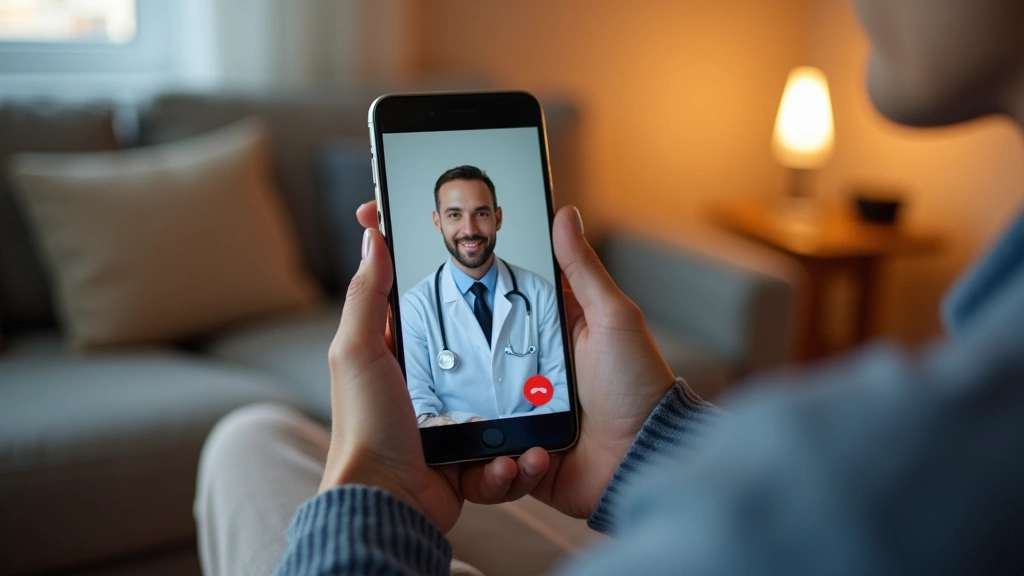
How Do You Establish a Relationship with a Telehealth Primary Care Doctor?
Establishing telehealth primary care is straightforward. Most platforms allow you to create an account, review available physicians, and book appointments within 24 hours. Some services offer on-demand consultations with any available doctor, while others encourage continuity with the same provider for ongoing care. Telehealth prescribing is integrated into the visit process, allowing doctors to send prescriptions directly to pharmacies.
What Technology and Privacy Requirements Are Needed for Telehealth Primary Care?
Telehealth requires minimal technology: a smartphone, tablet, or computer with video and audio capabilities plus reliable internet. All legitimate telehealth platforms comply with HIPAA regulations, encrypting patient data and securing medical records. Platforms use secure video conferencing technology that prevents unauthorized access. Patients should ensure they’re using official apps or websites to protect personal health information.
Frequently Asked Questions
Can telehealth doctors prescribe medications?
Telehealth doctors have full prescribing authority for most medications. They can issue prescriptions for antibiotics, pain relievers, allergy medications, and chronic disease treatments. Some controlled substances require additional verification or in-person visits depending on state regulations and DEA guidelines.
What if I need follow-up testing or in-person care?
Telehealth physicians can order laboratory tests, imaging studies, and specialist referrals. Many platforms partner with local labs and imaging centers for convenient patient access. If your condition requires in-person evaluation, your telehealth doctor will provide appropriate referrals to nearby healthcare facilities.
Is telehealth primary care suitable for managing chronic diseases?
Telehealth excels at chronic disease management. Regular virtual visits allow doctors to monitor blood pressure, glucose levels, and medication effectiveness. Patients benefit from convenient refills and dose adjustments without frequent office visits. Healthcare access improves significantly for patients managing long-term conditions through telehealth platforms.