

What is Dermatologist Telehealth and How Does It Work?
Telehealth dermatology has transformed how patients access skin care, eliminating geographic barriers and reducing wait times for professional evaluation. Whether you’re dealing with a persistent rash, acne concerns, or fungal infections, dermatologist telehealth connects you with board-certified dermatologists from your home or office within minutes to hours.
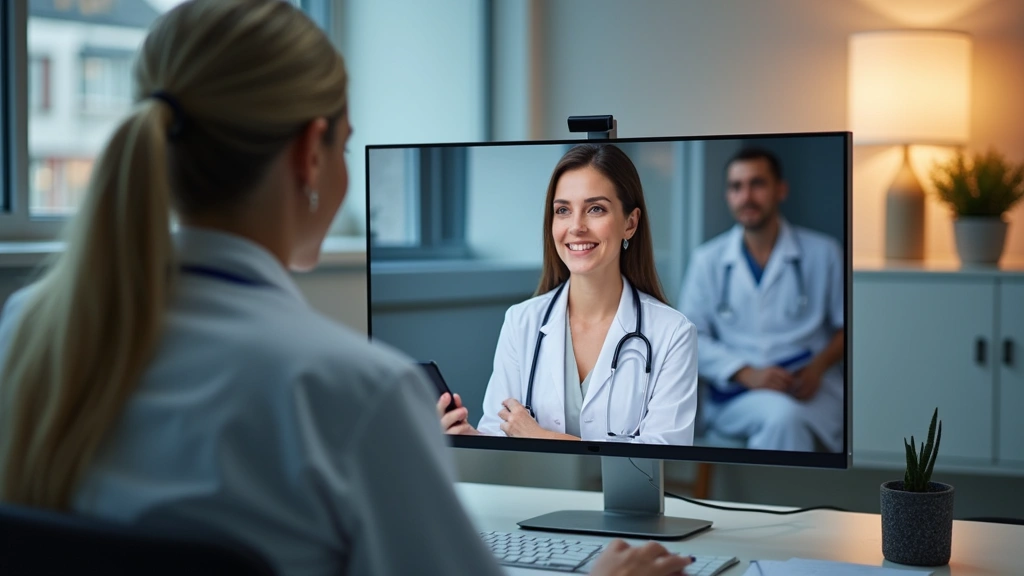
The process is straightforward: patients schedule an appointment on a telehealth platform, submit photos of their skin condition, and connect with a dermatologist via secure video call. The dermatologist reviews the images, asks detailed questions about symptoms and medical history, and provides a diagnosis with treatment recommendations—often including prescription medications delivered directly to your pharmacy.
What skin conditions can be diagnosed and treated through telehealth dermatology?
Telehealth dermatology excels at managing non-emergent skin conditions that don’t require physical manipulation or biopsy. Acne, seborrheic keratosis, contact dermatitis, and fungal infections are ideal candidates. However, conditions requiring biopsies, surgical removal, or complex procedures typically need in-person visits. Your dermatologist will determine if your condition can be managed virtually or if you need to schedule an office appointment.
How much does a dermatologist telehealth appointment cost?
Cost varies significantly based on the platform and dermatologist credentials. Direct-to-consumer platforms like Ro and Nurx often charge $50–$100, while established telehealth networks may charge $100–$200. Most major insurance plans now cover telehealth dermatology at the same copay rates as in-person visits, making this an affordable option for insured patients.
What are the advantages and disadvantages of telehealth dermatology?
Telehealth dermatology offers unprecedented convenience—no travel time, flexible scheduling, and immediate access to specialists. It’s particularly valuable for rural patients with limited dermatology access. The main limitation is that dermatologists cannot perform hands-on examinations, palpate lesions, or conduct certain diagnostic procedures. For most common skin conditions, however, high-quality photos and detailed descriptions provide sufficient diagnostic information.
Which telehealth platforms offer dermatology services?
Leading platforms vary in their approach. Teladoc and Amwell integrate with existing insurance networks, while Ro and Nurx focus on direct-to-consumer prescription services. DermCheck specializes exclusively in dermatology. When choosing a platform, consider whether you prefer insurance integration, specialist availability in your area, and whether you need prescription fulfillment services. Many platforms offer virtual doctor visits across multiple specialties.
Do insurance companies cover telehealth dermatology?
Insurance coverage for telehealth expanded significantly post-pandemic. Medicare, Medicaid, and most private insurers now reimburse telehealth dermatology visits. However, coverage details vary—some plans require a prior in-person visit, while others have specific approved platforms. Check your plan’s coverage or contact your insurance provider before scheduling. For telehealth prescribing services, verify that your medications are covered under your pharmacy benefits.

How do I prepare for a telehealth dermatology appointment?
Successful telehealth visits depend on preparation. Take multiple high-quality photos of your skin condition in natural lighting from different angles. Write down when symptoms started, what makes them worse or better, and any treatments you’ve tried. Have your complete medication list available, including over-the-counter products. Test your internet connection and camera beforehand. Having your insurance card ready accelerates the check-in process and ensures proper billing coverage.
What should I expect during a telehealth dermatology consultation?
A typical telehealth dermatology visit lasts 15–30 minutes. The dermatologist will review your submitted photos, ask detailed questions about your symptoms, medical history, and previous treatments. They’ll request you show the affected area on camera during the video call. After evaluation, you’ll receive a diagnosis, treatment recommendations, and often a prescription sent directly to your pharmacy. If the dermatologist determines your condition requires in-person evaluation or procedures, they’ll provide referral options. Most platforms offer improved healthcare access through follow-up messaging for medication adjustments or concerns.
Frequently Asked Questions
Can dermatologists prescribe medications through telehealth?
Most telehealth platforms integrate with pharmacy partners to deliver prescriptions within hours. This streamlines treatment and eliminates the need for separate pharmacy visits. Controlled substances have stricter regulations, so dermatologists may limit prescribing for certain medications.
Is telehealth dermatology appropriate for skin cancer screening?
Dermatologists can assess lesion characteristics through photos and refer you for in-person biopsy if needed. For comprehensive skin cancer screening, annual in-person visits remain the gold standard. However, telehealth works well for monitoring previously evaluated lesions between appointments.
What happens if my condition requires in-person treatment?
The referral process is seamless on most platforms. Your telehealth visit notes are transferred to the in-person provider, ensuring continuity of care and avoiding duplicate evaluations. This hybrid approach maximizes convenience while ensuring appropriate care for complex conditions. Learn more about specialized telehealth consultations for various dermatological concerns.