
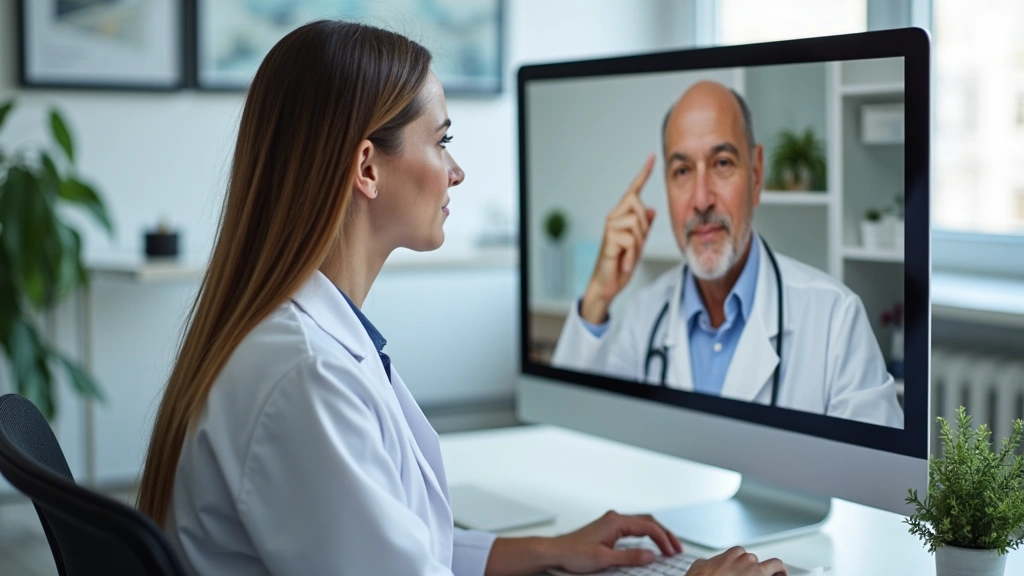
What Is a Telehealth Dermatologist and How Does It Work?
Telehealth dermatology has revolutionized how patients access skin care, eliminating geographic barriers and reducing wait times. Whether you’re dealing with acne, fungal infections, or chronic skin conditions, remote dermatologists can evaluate your condition through digital consultations and provide treatment recommendations from anywhere.
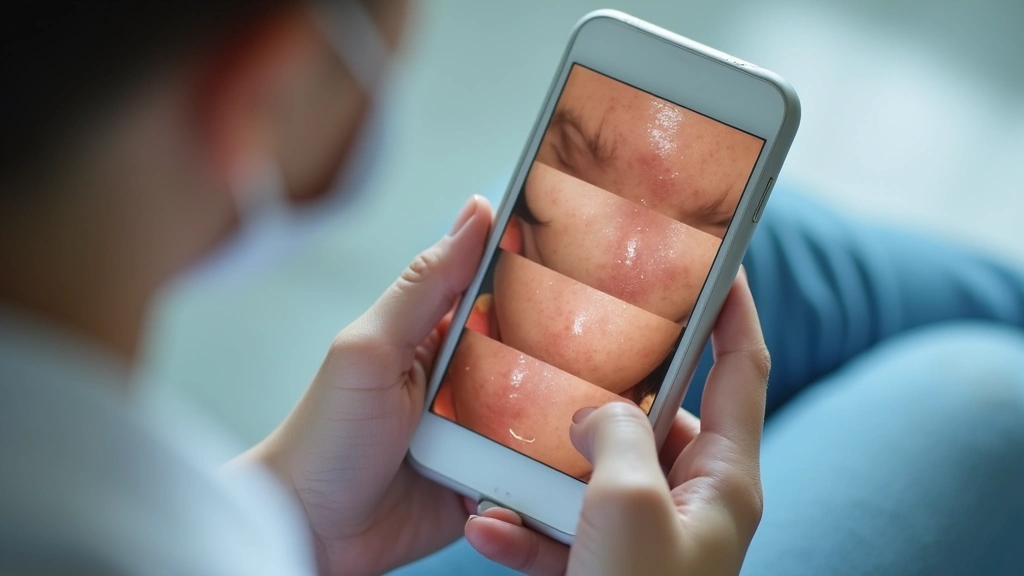
The process is straightforward: patients submit photos or video of their skin condition, complete a health questionnaire, and connect with a dermatologist who reviews the information and provides a diagnosis and treatment plan. This model works particularly well for common skin conditions that don’t require physical procedures or in-person biopsies.
What Skin Conditions Can Be Treated Through Telehealth Dermatology?
Telehealth dermatologists successfully treat numerous skin conditions. Acne, one of the most common issues, responds well to topical and oral medications prescribed remotely. Fungal infections like athlete’s foot or ringworm can be diagnosed from clear photos and treated with topical antifungal prescriptions. Chronic conditions such as eczema, psoriasis, and rosacea benefit from remote management since treatment typically involves medication adjustments rather than procedures.
How Much Does a Telehealth Dermatology Consultation Cost?
Cost savings represent a major advantage of telehealth dermatology. Most consultations cost significantly less than in-person visits, and many major insurance plans now cover telehealth services at the same rate as office visits. Uninsured patients often find telehealth more accessible due to lower out-of-pocket costs.
What Are the Best Telehealth Dermatology Platforms?
Leading platforms vary in their approach. Curology pairs patients with dermatologists for ongoing acne management, while Ro Dermatology focuses on prescription medications. Teladoc integrates dermatology into broader telehealth services, making it ideal if you need multiple specialties. Each platform has different wait times, ranging from same-day to several days for appointments.
How Is a Diagnosis Made During a Telehealth Visit?
Image quality is critical for accurate diagnosis. Patients should submit clear, well-lit photos showing the affected area from multiple angles. Dermatologists assess color, texture, distribution, and other visual characteristics to determine the condition. For fungal infections or other conditions, additional images may be requested to confirm the diagnosis before prescribing treatment.

Can Telehealth Dermatologists Prescribe Medications?
Prescribing authority varies by state and platform. Most telehealth dermatologists can prescribe common treatments like topical antibiotics, retinoids, antifungals, and oral medications for acne or inflammation. Prescriptions are sent electronically to your pharmacy for convenient pickup or delivery.
How Does Telehealth Dermatology Compare to In-Person Care?
Both models have distinct advantages. Telehealth works best for diagnosis and medication management, while in-person dermatology remains essential for procedures like mole removal, laser treatments, or skin biopsies. An online doctor visit can often determine whether an in-person appointment is necessary.
Frequently Asked Questions
Is telehealth dermatology as effective as in-person visits?
Research supports telehealth effectiveness for most dermatological conditions. Studies show diagnostic accuracy rates of 70-90% for common conditions when proper imaging is used.
How long does it take to get a telehealth dermatology appointment?
Faster access is a key advantage of telehealth, allowing patients to receive care quickly without lengthy waiting periods.
Do I need health insurance to use telehealth dermatology?
Telehealth dermatology is accessible regardless of insurance status, making professional skin care available to more people.