

What Is a Telehealth Eye Exam and How Does It Work?
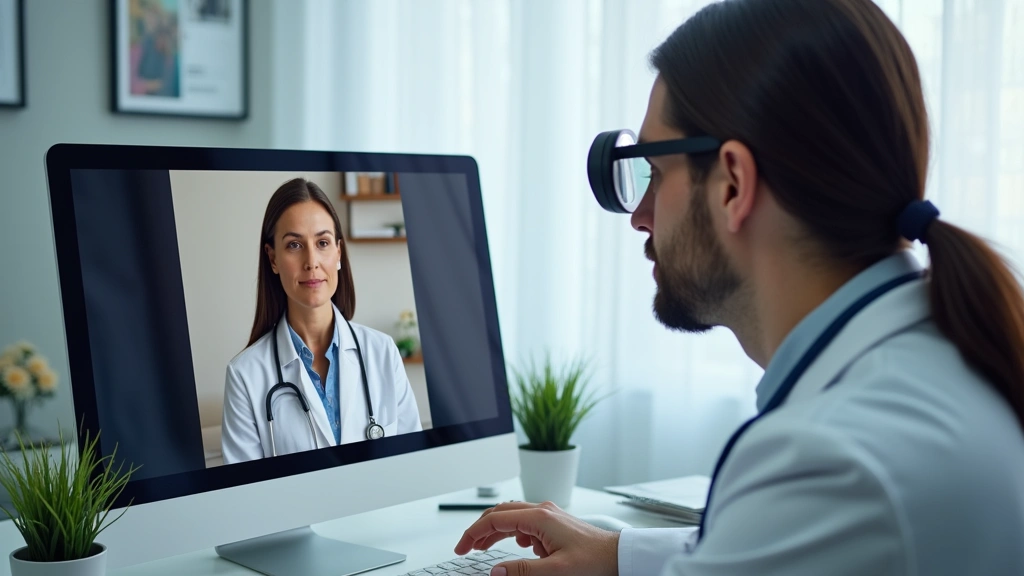
Telehealth eye exams have revolutionized how people access vision care, offering a practical alternative to traditional in-office visits. These remote assessments leverage video conferencing, smartphone cameras, and automated refraction technology to evaluate your eyesight and detect common vision problems. The growing adoption of telehealth eye exams reflects broader trends in digital healthcare accessibility, making vision care more convenient for busy professionals and people in underserved areas.
Understanding how telehealth eye exams work helps you determine whether this option suits your vision care needs. While these exams excel at basic screening and prescription generation, they have important limitations compared to comprehensive in-person evaluations.
What Can Be Diagnosed During a Telehealth Eye Exam?
Telehealth eye exams effectively identify refractive errors that affect how your eyes focus light. These include myopia (nearsightedness), hyperopia (farsightedness), and astigmatism. The exams can also screen for presbyopia (age-related focusing difficulty) and detect symptoms of dry eye syndrome. Some advanced telehealth platforms can identify early signs of cataracts or elevated eye pressure, though definitive glaucoma diagnosis typically requires the dilated eye exams available only in-person.
How Accurate Are Telehealth Eye Exams Compared to In-Person Exams?
Research demonstrates that telehealth eye exams achieve accuracy rates of 90-95% for refraction and basic vision assessment when compared to in-person exams. However, they cannot replicate the comprehensive evaluation provided by traditional optometry offices. The inability to perform dilated eye exams—where eye drops widen your pupils to examine the retina and optic nerve—represents the most significant limitation. This restricts telehealth’s effectiveness in screening for serious conditions like diabetic retinopathy, macular degeneration, or advanced glaucoma.
For patients with existing eye conditions, complex prescriptions, or those over 40 requiring comprehensive health screening, in-person appointments with eye care professionals remain the gold standard.
How Much Does a Telehealth Eye Exam Cost?
Cost varies significantly based on the platform and services included. Budget-friendly options like basic vision screening start around $40-$60, while comprehensive exams with prescription generation range from $75-$150. Many major insurance plans now cover telehealth eye exams at the same rate as in-person visits. Additionally, some platforms offer free initial consultations or discounted rates for first-time users.
What Equipment or Technology Is Needed for a Telehealth Eye Exam?
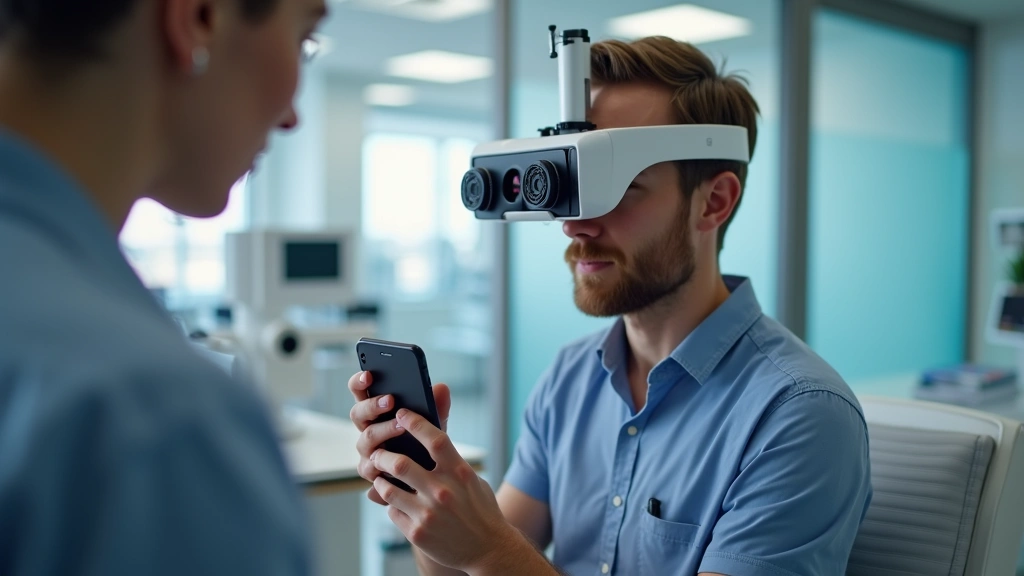
The minimal equipment requirement makes telehealth eye exams highly accessible. You need a device with a camera—smartphone, tablet, or computer—and a stable internet connection. Some advanced platforms provide at-home refraction devices that attach to your phone, while others partner with retail locations like Walmart or Costco that have automated vision testing equipment. This flexibility means you can choose between a fully remote exam from home or visiting a nearby retail partner for more advanced testing technology.
Can I Get a Glasses or Contact Lens Prescription From a Telehealth Eye Exam?
Valid prescriptions from telehealth exams are legally recognized nationwide and work at any eyewear retailer. However, state regulations vary regarding prescription validity periods and contact lens fitting requirements. Some states require in-person contact lens fittings, while others allow remote fittings through telehealth providers. Always verify your state’s regulations before relying on a telehealth prescription for contact lenses.
When Should I See an In-Person Eye Doctor Instead?
Schedule an in-person appointment if you experience eye pain, sudden vision changes, flashing lights, or floaters. These symptoms may indicate serious conditions requiring immediate professional evaluation. Additionally, anyone with diabetes, high blood pressure, or a family history of eye disease should have regular dilated exams. The American Academy of Ophthalmology recommends comprehensive in-person exams every 1-2 years for adults, with more frequent visits for those with existing eye conditions or risk factors.
For ongoing vision care coordination, comparing telehealth platforms helps you find the best provider for your specific needs. Many patients benefit from combining telehealth exams for routine refraction updates with annual in-person comprehensive exams.
Frequently Asked Questions
Are telehealth eye exams covered by insurance?
Check with your insurance provider about telehealth coverage specifics, including copays and any provider network restrictions that may apply to your exam.
How long does a telehealth eye exam take?
The shorter duration reflects the streamlined nature of telehealth assessments, which focus primarily on refraction and basic vision screening rather than comprehensive eye health evaluation.
What if I have astigmatism or a complex prescription?
Advanced telehealth platforms use sophisticated refraction technology capable of detecting and measuring astigmatism precisely. However, discussing your specific prescription complexity with the provider beforehand ensures the platform can accommodate your needs.