

What Is a Telehealth Nurse Practitioner and How Do They Provide Care?
Telehealth has transformed how patients access healthcare, and nurse practitioners have become central to this shift. Unlike traditional in-person visits, telehealth allows patients to connect with qualified healthcare providers from home. Telehealth nurse practitioners represent a significant portion of remote care providers, offering comprehensive services that rival in-person visits for many conditions.
The rise of telehealth has expanded access to quality care, particularly for patients in rural areas or those with mobility challenges. Nurse practitioners trained in telehealth deliver the same level of expertise as their office-based counterparts, with the added benefit of convenience and often lower costs.
What Qualifications and Licensing Do Telehealth Nurse Practitioners Need?
Becoming a telehealth nurse practitioner requires substantial education and credentialing. All NPs must first earn a Bachelor of Science in Nursing (BSN) and work as a registered nurse for at least one year. They then complete a master’s or doctoral degree program in nursing, typically spanning 2-3 years, focusing on their specialty area such as family medicine, acute care, or psychiatry. Following graduation, candidates must pass a national certification exam administered by organizations like the American Nurses Credentialing Center. State licensure is mandatory, and each state sets its own telehealth regulations, which may include additional requirements for remote practice authorization.
What Types of Conditions Can Telehealth Nurse Practitioners Treat?
Telehealth nurse practitioners treat a wide range of conditions suitable for remote evaluation. Common conditions include urinary tract infections, skin conditions, respiratory infections, medication refills, and chronic disease management. They can order lab tests, interpret results, and adjust treatment plans. Mental health conditions, including anxiety and depression, are particularly well-suited for telehealth. However, conditions requiring physical examination—such as severe abdominal pain or suspected fractures—typically necessitate in-person evaluation or emergency care referrals.

How Much Does a Telehealth Nurse Practitioner Visit Cost?
Telehealth visits are generally more affordable than in-person appointments. Out-of-pocket costs range from $50 to $200 depending on the platform, provider credentials, and visit complexity. Insurance coverage has expanded significantly, with Medicare and Medicaid now covering telehealth services at rates comparable to office visits. Most private insurance plans also cover virtual visits, though coverage specifics vary. Uninsured patients often benefit from lower telehealth prices compared to traditional urgent care or emergency room visits.
What Are the Advantages and Limitations of Telehealth Nurse Practitioner Care?
Telehealth NP care offers significant advantages: patients avoid travel time, reduce exposure to illness in waiting rooms, and access care from home. Virtual doctor visits are particularly valuable for busy professionals and rural populations. However, limitations exist—NPs cannot perform physical exams, palpate organs, or use certain diagnostic tools. Technology requirements and internet connectivity can be barriers for some patients. Additionally, state licensing restrictions may limit where an NP can practice telehealth.
How Does a Telehealth Nurse Practitioner Visit Work?
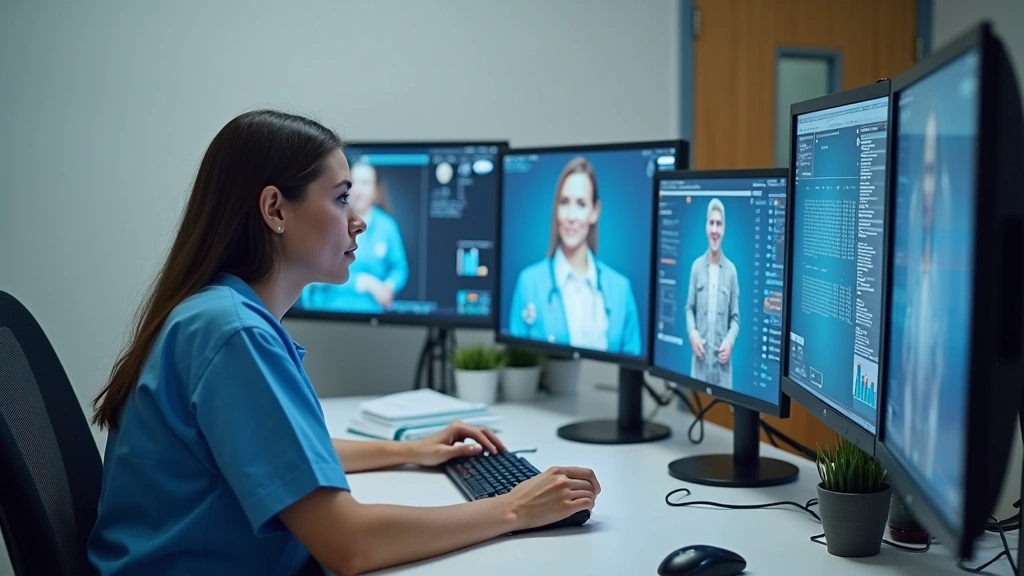
A typical online doctor visit with an NP begins with scheduling through a telehealth platform or healthcare provider’s app. At the appointment time, patients connect via secure video call or phone. The NP reviews medical history, asks about symptoms, and performs a visual assessment. They may request additional information about vital signs if the patient has a home blood pressure monitor. After evaluation, the NP discusses findings, provides a diagnosis, and recommends treatment—which may include prescriptions sent directly to the patient’s pharmacy. Follow-up care and remote patient monitoring can be arranged as needed.
What Are the Differences Between Telehealth Nurse Practitioners and Other Virtual Healthcare Providers?
Telehealth providers differ in training and scope of practice. Registered nurses (RNs) provide patient education and monitoring but cannot diagnose or prescribe. Nurse practitioners hold master’s degrees and can independently diagnose and treat in approximately 24 states with full practice authority. Physician assistants (PAs) have similar diagnostic and prescriptive abilities but follow a different educational pathway. Physicians complete additional years of medical school and training, offering the broadest scope of practice. For digital health delivery, NPs represent a cost-effective option with substantial clinical expertise.
Which States Allow Telehealth Nurse Practitioners to Practice Independently?
NP practice authority varies significantly by state. States with full practice authority allow NPs to evaluate, diagnose, prescribe, and treat independently without physician oversight. These include Colorado, Connecticut, and New Hampshire. Other states require physician collaboration agreements or supervision, limiting NP autonomy. Some states distinguish between in-person and telehealth practice, with stricter telehealth regulations. The American Association of Nurse Practitioners (AANP) tracks these regulations, which continue evolving to expand telehealth access and address healthcare provider shortages.
Frequently Asked Questions
Can a telehealth nurse practitioner prescribe medications?
Prescriptive authority is a key NP competency. In states with full practice authority, NPs can prescribe all medication classes including controlled substances. In collaborative practice states, NPs may require physician approval or supervision for certain prescriptions. Telehealth platforms ensure prescriptions are sent securely to pharmacies, maintaining compliance with state and federal regulations.
Is telehealth nurse practitioner care covered by insurance?
Insurance coverage for telehealth has expanded dramatically. Medicare reimburses telehealth NP services, and most state Medicaid programs follow suit. Private insurance coverage varies by plan, so patients should verify benefits with their insurer before scheduling appointments.
What happens if a telehealth nurse practitioner needs to refer me to a specialist?
If a telehealth NP identifies a condition requiring specialist evaluation, they generate a referral and send it electronically to the appropriate provider. The NP may continue monitoring your condition while the specialist provides targeted care, ensuring comprehensive treatment coordination.