
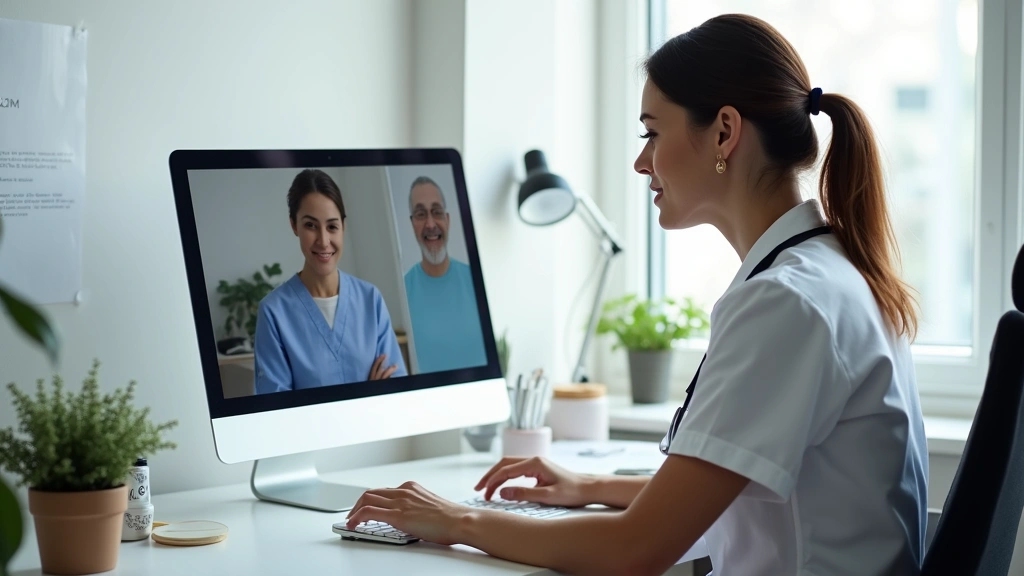
What Is Telehealth Nursing and How Does It Work?
Telehealth nursing has transformed how patients access care, enabling registered nurses to deliver comprehensive services beyond traditional office settings. This remote care model combines clinical expertise with digital technology, making healthcare more convenient and accessible for millions of patients nationwide.
The telehealth RN model has expanded significantly since 2020, with the Centers for Medicare & Medicaid Services (CMS) expanding reimbursement for remote services. Today, telehealth nursing represents one of the fastest-growing segments in healthcare delivery.
What Services Can a Telehealth RN Provide to Patients?
Telehealth RNs provide a wide range of clinical services including initial symptom triage, vital sign monitoring, medication management counseling, and disease-specific education. They conduct comprehensive health assessments, manage chronic conditions like diabetes and hypertension, and provide post-discharge follow-up care. Additionally, telehealth RNs coordinate with physicians, answer patient questions, and help prevent unnecessary emergency department visits through early intervention.
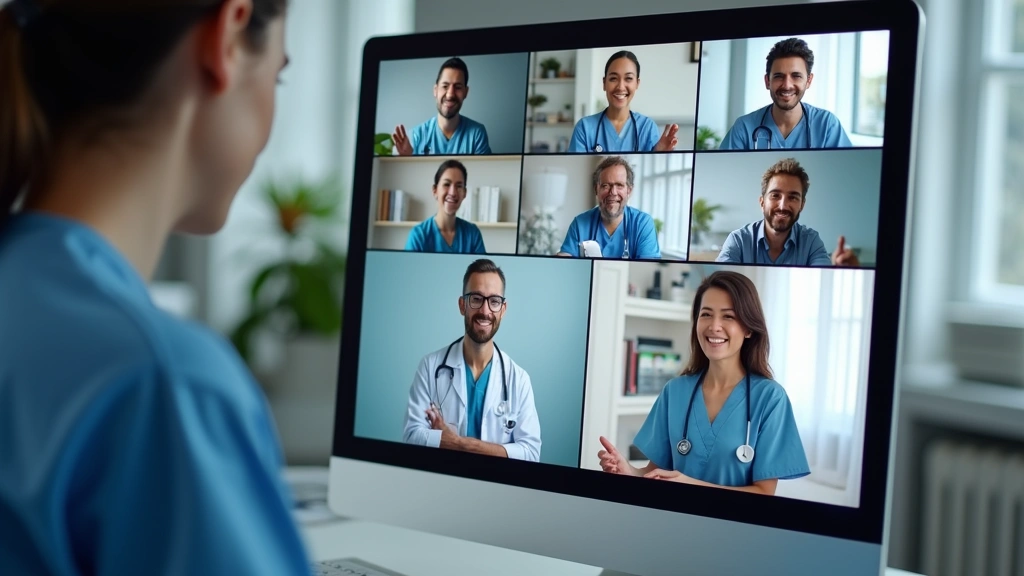
What Are the Requirements and Licensing for Becoming a Telehealth RN?
To become a telehealth RN, candidates must first earn a Bachelor’s or Associate’s degree in nursing and pass the NCLEX-RN examination. Most employers require 1-2 years of clinical nursing experience before transitioning to telehealth roles. Many states participate in the Nurse Licensure Compact (NLC), allowing RNs to practice across state lines with a single license. Telehealth RNs should also pursue additional certifications in telehealth nursing or remote patient monitoring to enhance their credentials and job prospects.
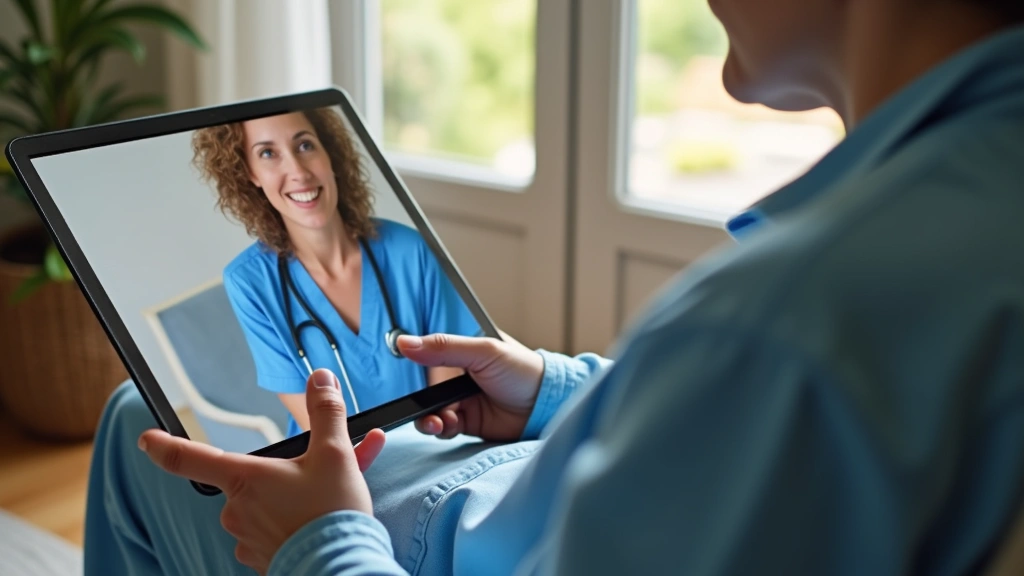
How Does Telehealth Nursing Improve Patient Outcomes and Accessibility?
Telehealth nursing dramatically improves healthcare accessibility for patients in rural and remote areas where specialist care is limited. By eliminating travel barriers, patients receive faster assessments and interventions, reducing hospital readmissions and emergency department utilization. Studies show that remote patient monitoring through telehealth RNs increases medication adherence and patient satisfaction while reducing overall healthcare costs by 20-30%.
What Technology and Platforms Do Telehealth RNs Use?
Modern telehealth RN platforms include secure video conferencing software, integrated EHR systems, wearable monitoring devices, and patient communication portals. These systems ensure HIPAA compliance, maintain complete medical records, and enable real-time data sharing between nurses and physicians. Virtual doctor visits are supported by sophisticated backend infrastructure that prioritizes patient privacy and clinical workflow efficiency.
What Are the Challenges and Limitations of Telehealth Nursing?
Despite significant growth, telehealth nursing faces notable challenges. RNs cannot perform hands-on physical examinations, which may require in-person follow-up. Interstate licensing restrictions still apply in states outside the NLC, limiting practice flexibility. Some patients lack reliable internet access or digital literacy, creating accessibility gaps. Additionally, insurance reimbursement varies significantly, with some payers still offering lower rates for telemedicine services compared to in-person care.
How Is Telehealth RN Care Reimbursed by Insurance and Medicare?
Medicare expanded telehealth reimbursement during the COVID-19 pandemic and has maintained many of these benefits. Most commercial insurers now cover telehealth RN consultations at rates comparable to in-person visits. However, reimbursement policies vary by state, insurance plan, and specific service type. The American Telemedicine Association advocates for continued parity reimbursement to ensure sustainable growth in remote nursing services.
What Is the Job Outlook and Salary for Telehealth Registered Nurses?
The U.S. Bureau of Labor Statistics projects registered nursing positions will grow 6% through 2032, with telehealth roles expanding faster than traditional nursing positions. Telehealth RNs enjoy significant work-life balance benefits, including flexible schedules and remote work options. Many employers offer additional benefits like tuition reimbursement for certifications and continuing education. Career advancement opportunities include nurse educator, telehealth coordinator, and clinical supervisor roles.
Frequently Asked Questions
Can telehealth RNs diagnose medical conditions?
Registered nurses operate within their scope of practice, which includes assessment, monitoring, and patient education but excludes diagnosis. Telehealth RNs gather clinical information and refer patients to appropriate providers for diagnostic evaluation and medical decision-making.
Is telehealth nursing secure and private?
All legitimate telehealth platforms comply with HIPAA regulations, using end-to-end encryption and secure data storage. Patient information is protected by the same privacy standards as traditional healthcare settings.
How do I find a telehealth RN for my healthcare needs?
Many insurance plans offer integrated telehealth services through their member portals. Alternatively, independent telehealth platforms connect patients with licensed RNs for various healthcare needs.