
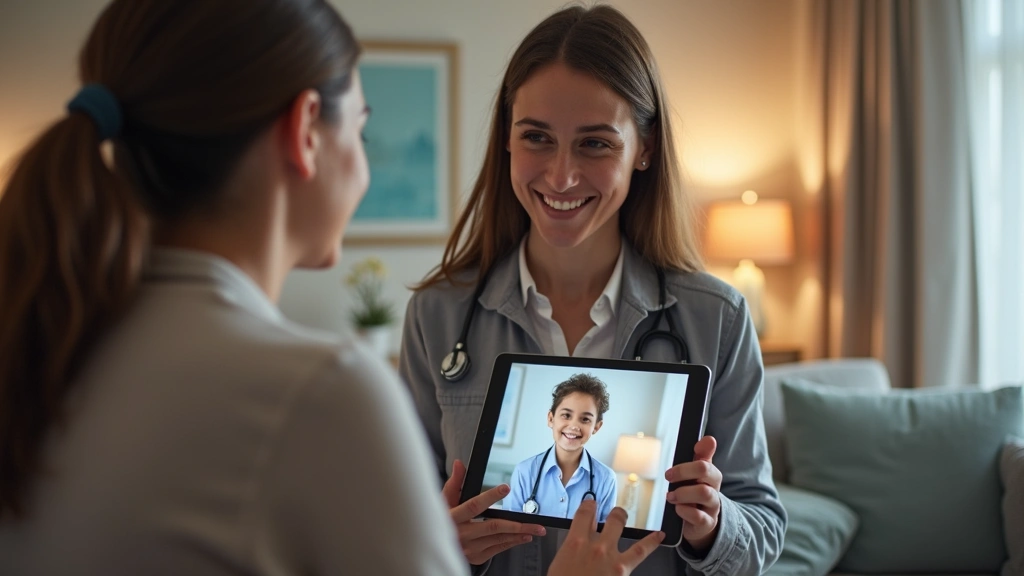
What Is Telehealth Speech Therapy and How Does It Work?
Telehealth speech therapy has transformed how people access speech and language services. Licensed speech-language pathologists (SLPs) now deliver comprehensive treatment remotely, making therapy more convenient and accessible than ever before. Whether you’re seeking help for a child’s language delay, adult stroke recovery, or voice improvement, telehealth offers a flexible alternative to traditional in-person visits.
The shift to remote therapy has been supported by research demonstrating effectiveness comparable to face-to-face treatment, combined with practical advantages like reduced travel time and often lower costs. Understanding how telehealth speech therapy works helps you determine if it’s the right option for your needs.
What Conditions Can Be Treated Through Telehealth Speech Therapy?
Telehealth SLPs treat a wide range of communication and swallowing disorders. Children benefit from treatment for speech sound disorders, language delays, and autism spectrum-related communication challenges. Adults receive therapy for aphasia following stroke, voice disorders, accent modification, and age-related speech changes. The versatility of remote platforms makes them suitable for most speech and language conditions, though some specialized techniques may require in-person assessment initially.
How Effective Is Telehealth Speech Therapy Compared to In-Person Therapy?
Multiple peer-reviewed studies have demonstrated that telehealth speech therapy produces outcomes equivalent to traditional in-person treatment. A systematic review published by the American Speech-Language-Hearing Association (ASHA) confirmed that remote delivery is effective for articulation, language, voice, and fluency disorders. Patient satisfaction remains high, with many preferring the convenience factor. The key to effectiveness is selecting a qualified, licensed SLP and maintaining consistent session attendance, similar to in-person therapy requirements.

What Are the Benefits and Limitations of Telehealth Speech Therapy?
Telehealth speech therapy offers significant advantages: therapy from home eliminates commute time, expands access for rural and underserved populations, and often costs less than in-person services. However, limitations exist. Some conditions requiring physical manipulation or hands-on assessment may need initial in-person evaluation. Technology barriers affect those with limited internet access or device availability. Additionally, some insurance plans still reimburse telehealth at lower rates, though this is changing. The effectiveness depends on having a quiet, private treatment space and reliable internet connectivity.
How Much Does Telehealth Speech Therapy Cost?
Session costs vary based on therapist credentials, location, and platform. Self-pay rates generally range from $75-$200 per 30-60 minute session, typically lower than in-person options due to reduced overhead. Insurance coverage depends on your specific plan and state regulations. Most major insurers now cover telehealth speech therapy at parity with in-person services. Medicare covers telehealth SLP services, and many state Medicaid programs provide coverage. Always verify your insurance coverage before starting therapy to understand your out-of-pocket costs.

What Equipment and Technology Do I Need for Telehealth Speech Therapy?
Getting started requires minimal technology. A laptop, tablet, or smartphone with a functioning camera and microphone is essential. Broadband internet with at least 2.5 Mbps upload speed ensures smooth video conferencing. Most telehealth platforms use HIPAA-compliant video software like Zoom for Healthcare or proprietary secure platforms. A quiet, private room without background noise improves session quality. Good lighting helps the therapist see your mouth movements clearly. Many platforms offer free trial sessions or tech support to help you get comfortable before your first appointment.
Is Telehealth Speech Therapy Covered by Insurance?
Insurance coverage for telehealth speech therapy has expanded significantly. Healthcare regulations now support parity between telehealth and in-person services. Most commercial insurance plans, including Aetna, Blue Cross, United Healthcare, and Cigna, cover remote SLP services. Medicare Part B covers telehealth speech therapy for established beneficiaries. State Medicaid programs increasingly reimburse telehealth services, though specific coverage varies. Check your insurance policy or call your provider to confirm coverage, understand copay amounts, and verify that your chosen therapist is in-network.
How Do I Find and Choose a Telehealth Speech Therapist?
Finding the right telehealth speech therapist involves several steps. Start by searching specialized platforms that connect patients with licensed SLPs, or ask your physician for referrals. Verify credentials by checking ASHA’s provider directory and confirming state licensure. Request a consultation call to discuss your specific needs, treatment approach, and compatibility. Check whether they accept your insurance and understand their cancellation policies. Virtual doctor visits have become standardized, making therapist selection more straightforward than ever.
Frequently Asked Questions
Can children receive telehealth speech therapy?
Telehealth works well for school-age children and adolescents. Young children require more interactive engagement, so therapists often use play-based activities and parent-coaching approaches. The therapist guides parents to implement strategies during daily routines, making therapy part of natural learning environments. Digital health innovations have made engaging children remotely increasingly effective.
What if I have privacy concerns with telehealth speech therapy?
Privacy protection is a priority for legitimate telehealth providers. All communication and session recordings are encrypted and stored securely. Licensed SLPs follow the same confidentiality rules as in-person practitioners. Verify your platform uses HIPAA-compliant technology before beginning treatment. Ask questions about data storage, who has access to recordings, and how information is protected.
How long does it take to see results from telehealth speech therapy?
Timeline depends on the condition’s severity, frequency of therapy, and home practice consistency. Most clients notice initial improvements within 4-8 weeks of regular sessions. Significant progress requires ongoing commitment and practice between sessions. Your therapist will establish realistic goals and track progress through regular assessments.