

How Can I Get Ozempic Through Telehealth?
Getting Ozempic through telehealth has become increasingly accessible as demand for weight-loss medications grows. Many specialized telehealth platforms now connect patients with board-certified physicians who can prescribe GLP-1 medications like Ozempic remotely, eliminating the need for in-person office visits. The process is straightforward, though understanding your options, costs, and eligibility requirements is essential before starting treatment.
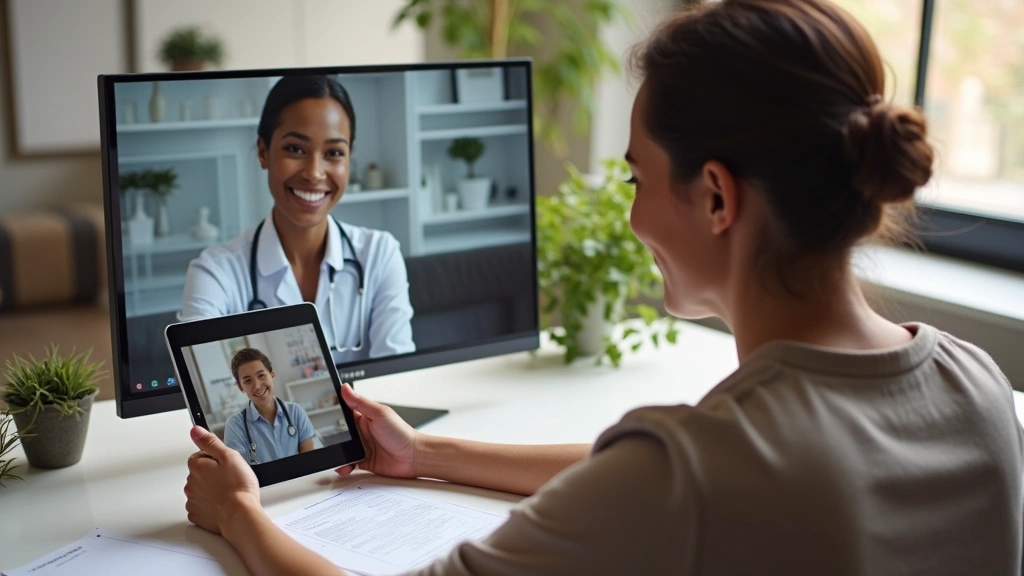
Telehealth prescriptions for Ozempic require the same medical evaluation as traditional prescriptions, but with added convenience. Licensed physicians review your complete medical history, assess your BMI and weight-related health conditions, and determine if Ozempic is appropriate for your situation. This comprehensive evaluation happens entirely online through secure video consultations.
Which Telehealth Platforms Prescribe Ozempic?
Major telehealth providers have established dedicated weight-loss programs featuring Ozempic. Platforms like Calibrate focus exclusively on GLP-1 medications with physician oversight and behavioral coaching. Ro and Noom offer integrated programs combining medication with nutrition and lifestyle support. General telemedicine services including Teladoc, Doctor on Demand, and Amazon Clinic now include weight-loss medication options. Some traditional healthcare providers like CVS MinuteClinic and Walgreens have also launched telehealth weight-loss programs with Ozempic availability.
What Are the Requirements to Qualify for Ozempic Via Telehealth?
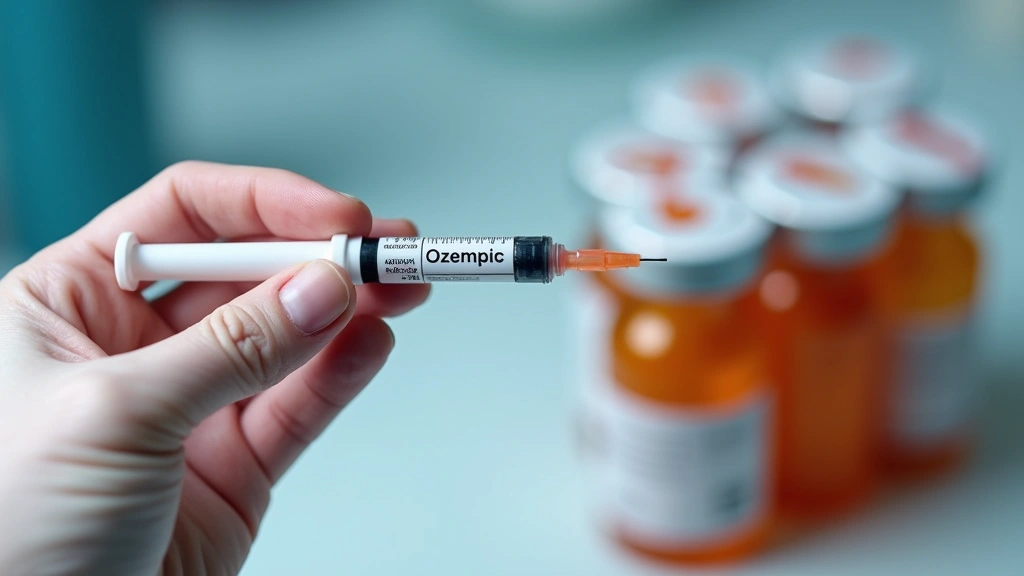
Eligibility for Ozempic through weight-loss doctor online services requires meeting specific medical criteria. The FDA approves Ozempic for weight loss when BMI reaches 30 or higher, or 27 or higher with weight-related conditions like hypertension or diabetes. Doctors will review your medical history for contraindications including personal or family history of medullary thyroid carcinoma, multiple endocrine neoplasia syndrome, or previous pancreatitis. Current medications, kidney function, and pregnancy status are also evaluated during the online medical consultation.
How Much Does Ozempic Cost Through Telehealth?
Pricing for Ozempic through telehealth varies significantly by platform and insurance status. The medication itself costs approximately $900-$1,500 per month without insurance coverage. Telehealth consultation fees typically range from $100-$300 per visit. Many platforms offer subscription models bundling monthly consultations with medication at reduced rates—sometimes $200-$400 monthly. Some services include additional benefits like nutrition counseling, behavioral coaching, or follow-up monitoring in their packages, improving overall value.
Is Ozempic Covered by Insurance When Prescribed Through Telehealth?
Insurance coverage for Ozempic prescribed through telehealth depends on your specific plan and the indication. Most major insurers cover Ozempic when prescribed for type 2 diabetes management. Coverage for weight loss alone is more limited but expanding—some plans now cover it for patients with obesity and weight-related conditions. In-network telehealth providers typically have better coverage rates than out-of-network services. Always verify your plan’s coverage before starting treatment and ask your telehealth provider about insurance pre-authorization requirements.
How Long Does It Take to Get Ozempic Prescribed Through Telehealth?
The timeline for obtaining Ozempic through telehealth is remarkably fast compared to traditional healthcare. Initial consultations can often be scheduled within 1-7 days depending on platform availability. Most physicians issue prescriptions same-day or within 24 hours of consultation. Online prescriptions are typically sent directly to your preferred pharmacy or delivered to your home through partner pharmacies, with delivery taking 3-7 business days. Some platforms offer expedited shipping for additional fees.
What Are the Side Effects and Risks of Ozempic?
Most patients experience mild gastrointestinal side effects when starting Ozempic, including nausea affecting 25-40% of users, vomiting, and diarrhea. These typically diminish within weeks as your body adjusts. Serious but rare risks include acute pancreatitis, gallbladder problems, and thyroid complications. Patients with diabetes may experience changes in blood sugar levels requiring medication adjustments. According to the FDA, regular monitoring through follow-up consultations is essential to detect complications early. Reputable telehealth platforms schedule check-ins every 4-12 weeks to assess tolerance and efficacy.
How Does Telehealth Ozempic Compare to In-Person Prescription?
Telehealth prescriptions offer significant convenience advantages—no travel time, flexible scheduling, and privacy from your home. However, physicians cannot perform physical examinations or check vital signs directly. In-person visits allow doctors to assess your overall health status comprehensively and measure blood pressure and weight directly. Both approaches require ongoing follow-up care to monitor side effects and treatment effectiveness. Many patients find hybrid models work best: initial telehealth consultation followed by periodic in-person check-ins with their primary care provider.
Frequently Asked Questions
Can I get Ozempic prescribed without a BMI of 30?
The FDA allows Ozempic prescription for weight loss at BMI 27+ when accompanied by weight-related health conditions. Telehealth doctors evaluate your complete health profile to determine eligibility based on these criteria.
Do I need ongoing appointments after getting Ozempic through telehealth?
Regular monitoring is essential for safe Ozempic use. Telehealth platforms include follow-up appointments in their subscription models, ensuring continuous medical supervision throughout your treatment journey.
Can I switch from in-person to telehealth Ozempic prescriptions?
Many patients successfully switch from traditional doctors to telehealth platforms for ongoing Ozempic management. Request your medical records from your previous provider and share them with your new telehealth physician to ensure continuity of care.