
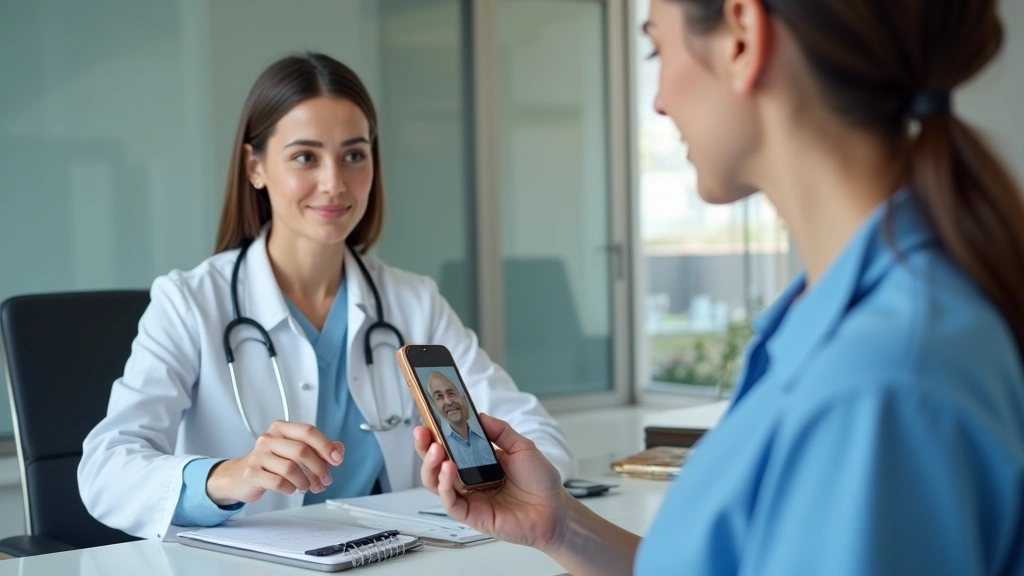
What Is UPMC Telehealth and How Does It Work?
UPMC telehealth represents a modern approach to healthcare delivery, leveraging technology to bridge the gap between patients and providers. As one of the largest integrated health systems in the United States, UPMC has invested significantly in virtual care infrastructure to meet growing patient demand for convenient, accessible healthcare options. Whether you’re managing a chronic condition, seeking a specialist opinion, or need a quick consultation for a minor health concern, UPMC telehealth offers flexible solutions that fit into your schedule.
The platform integrates seamlessly with UPMC’s extensive hospital network and electronic health records system, ensuring continuity of care and coordination between virtual and in-person services. This integration distinguishes UPMC telehealth from standalone telemedicine providers and creates a more comprehensive healthcare experience for patients within the UPMC system.
What Services and Specialties Are Available Through UPMC Telehealth?
UPMC telehealth encompasses a broad range of medical services across multiple specialties. Patients can access primary care physicians for routine check-ups and health management, psychiatrists and therapists for mental health support, dermatologists for skin conditions, and orthopedic specialists for musculoskeletal concerns. The platform also facilitates consultations with cardiologists, endocrinologists, and other specialists, making it easier for patients to receive expert opinions without traveling to distant medical centers.
How Do I Schedule and Access a UPMC Telehealth Appointment?
Scheduling is straightforward and flexible. The UPMC patient portal allows you to browse available appointment times and book directly online. The UPMC mobile app provides similar functionality with push notifications for appointment reminders. For patients who prefer traditional methods, calling your healthcare provider’s office remains an option. Once scheduled, you’ll receive a secure link via email or text message that connects you to your visit at the appointed time.

What Are the Costs and Does Insurance Cover UPMC Telehealth Visits?
Insurance coverage for telehealth has expanded significantly. Medicare, Medicaid, and most commercial insurers now cover virtual visits at parity with in-person consultations. Your copay or coinsurance for a telehealth visit typically matches what you’d pay for an office visit. UPMC also offers uninsured patient rates and payment plans. It’s recommended to verify your specific coverage by contacting UPMC’s billing department or checking your insurance provider’s website before scheduling.
What Are the Requirements and Technical Setup Needed for UPMC Telehealth?
Technical requirements are minimal. You’ll need a smartphone, tablet, or computer with reliable internet connectivity, a functioning camera, and microphone. Most modern devices meet these specifications. You must have an active UPMC patient account, which you can create through the portal if you’re a new patient. UPMC’s platform is compatible with major browsers and operating systems, ensuring broad accessibility.

How Does UPMC Telehealth Compare to Other Virtual Care Providers?
UPMC telehealth’s primary advantage is its integration with a major health system. Your virtual visits connect directly to your UPMC medical records, enabling providers to access your complete health history and coordinate with specialists within the network. Standalone telehealth platforms may offer broader geographic availability and lower costs, but lack this institutional integration. For patients already within the UPMC network, the continuity of care advantage is significant. For those outside UPMC’s service areas, national providers may be more suitable.
What Are the Limitations and When Should I See a Doctor In Person?
UPMC telehealth has clear limitations. Providers cannot perform physical examinations, order imaging studies during the visit, or prescribe controlled substances in many cases. Emergencies always require in-person emergency care or 911. Complex diagnoses, acute injuries, and conditions requiring hands-on assessment must be evaluated in person. Telehealth works best for medication refills, follow-up appointments, mental health counseling, and online medical consultations for established conditions.
Frequently Asked Questions
Is UPMC telehealth available in my state or region?
UPMC has expanded telehealth services beyond Pennsylvania to several neighboring states, but availability remains limited compared to national providers. Check the UPMC website or contact their patient services to confirm availability in your specific location. State medical licensing regulations determine where UPMC providers can legally offer virtual care.
Can I use UPMC telehealth if I’m not an established UPMC patient?
Yes, UPMC welcomes new patients through its telehealth platform. You can register as a new patient online, and many UPMC providers have availability for initial consultations via video. This makes it easy to access healthcare access without scheduling an in-person appointment first.
Are UPMC telehealth visits as secure and private as in-person visits?
UPMC’s telehealth platform employs end-to-end encryption and HIPAA-compliant technology to protect patient privacy. Your health information is protected by the same federal regulations governing in-person care. Always ensure you’re using a private location for your visit and accessing the platform through official UPMC channels.