

What is a Mental Health Quiz and How Can It Help Me?
Mental health quizzes have become increasingly popular as accessible first-step tools for understanding your psychological well-being. Unlike casual self-reflection, these structured assessments use validated questions designed by mental health professionals to measure specific symptoms and emotional patterns. They serve as a bridge between personal awareness and professional care, helping millions of people recognize when they might benefit from additional support.
Whether you’re experiencing persistent sadness, overwhelming anxiety, or simply want to check in with yourself, mental health quizzes offer a non-judgmental starting point. Many are free, confidential, and available online at any time, making mental health assessment more accessible than ever before.
What Are the Different Types of Mental Health Quizzes Available?
The variety of mental health quizzes available allows you to target specific concerns. Depression screening tools like the PHQ-9 assess mood and loss of interest in activities. Anxiety quizzes measure worry, panic symptoms, and physical anxiety responses. Stress assessments evaluate your ability to cope with life demands. Specialized quizzes also exist for ADHD, bipolar disorder, PTSD, and eating disorders. General wellness quizzes provide a broader overview of your mental health across multiple dimensions.
How Accurate Are Mental Health Quizzes Compared to Professional Diagnosis?
Mental health quizzes are valuable screening instruments, but they have important limitations. While validated quizzes have accuracy rates between 70-85% for identifying potential issues, only a licensed mental health professional can provide a clinical diagnosis. Professionals conduct thorough assessments considering your personal history, family background, medical conditions, and medications. A quiz might suggest you have depression, but a clinician determines the specific type, severity, and best treatment approach.
What Should I Do With My Mental Health Quiz Results?
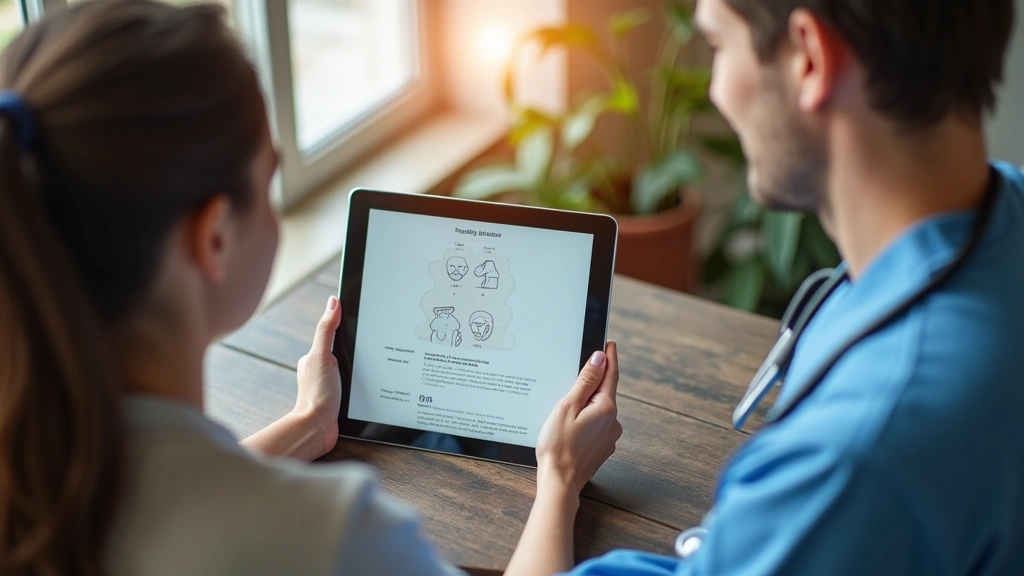
Quiz results showing significant concerns warrant professional follow-up. Start by contacting your primary care doctor, who can refer you to a therapist or psychiatrist. Many people find online primary care doctors convenient for initial mental health discussions. You can also explore wellness resources and telehealth therapy platforms. If results are normal, you’ve gained valuable reassurance about your current mental state.
Where Can I Find Reliable and Evidence-Based Mental Health Quizzes?
Trust matters when selecting mental health quizzes. The National Institute of Mental Health (NIMH) offers evidence-based screening tools. Mayo Clinic provides professionally reviewed assessments. The American Psychological Association maintains resources for finding validated quizzes. Many digital health platforms include evidence-based screening tools. Avoid quizzes from unverified sources or those making diagnostic claims.

What Are the Benefits and Limitations of Taking a Mental Health Quiz?
Mental health quizzes empower self-awareness and can motivate people to seek help earlier. They reduce barriers to recognizing mental health issues and normalize mental health conversations. However, they cannot account for your unique circumstances, cultural background, or complex medical history. False positives might cause unnecessary worry, while false negatives might delay needed care. Use quizzes as informational tools, not diagnostic replacements.
How Often Should I Take a Mental Health Quiz to Monitor My Well-Being?
Taking a mental health quiz monthly or quarterly provides useful trend data without creating obsessive self-monitoring. More frequent testing might increase anxiety rather than improve mental health. If you’re already working with a therapist, discuss quiz results during sessions. For ongoing health condition management, professional guidance proves more valuable than self-assessment alone.
Frequently Asked Questions
Can a mental health quiz replace therapy?
Mental health quizzes identify potential issues, but therapy addresses root causes and develops lasting solutions through evidence-based interventions.
Are free mental health quizzes as reliable as paid ones?
Cost doesn’t determine reliability. NIMH and Mayo Clinic offer excellent free assessments. Focus on the source and validation research rather than price.
What if my quiz results seem wrong?
You know yourself best. If results don’t match your experience, a clinician can clarify what the quiz measures and whether professional evaluation is needed.