

How Can Exercise Positively Affect Your Environmental Health?
Environmental health represents the intersection between our natural surroundings and personal well-being. When you exercise, especially outdoors, you create a powerful positive feedback loop that benefits both your body and the environment. This connection goes far beyond simple fitness—it fundamentally reshapes how you interact with your community and natural spaces.
Understanding this relationship helps you make exercise choices that amplify environmental benefits while supporting your health goals. Whether through active transportation, outdoor workouts, or community-based fitness activities, exercise becomes a vehicle for environmental stewardship.
What is environmental health and how does it relate to physical exercise?
Environmental health examines how air quality, water safety, green space access, and climate conditions impact your physical and mental health. Exercise directly influences this relationship by encouraging you to spend time in natural environments and make transportation choices that reduce pollution. When you choose to walk, bike, or run instead of driving, you immediately lower your carbon footprint while improving cardiovascular fitness.
How does exercising outdoors improve air quality exposure compared to indoor exercise?
Parks and natural areas typically have 5-10% better air quality than urban streets due to vegetation filtering pollutants. Regular outdoor exercise increases your awareness of environmental conditions and strengthens your respiratory system’s ability to process oxygen efficiently. This heightened environmental consciousness often translates into advocacy for cleaner air policies and green space expansion in your community.
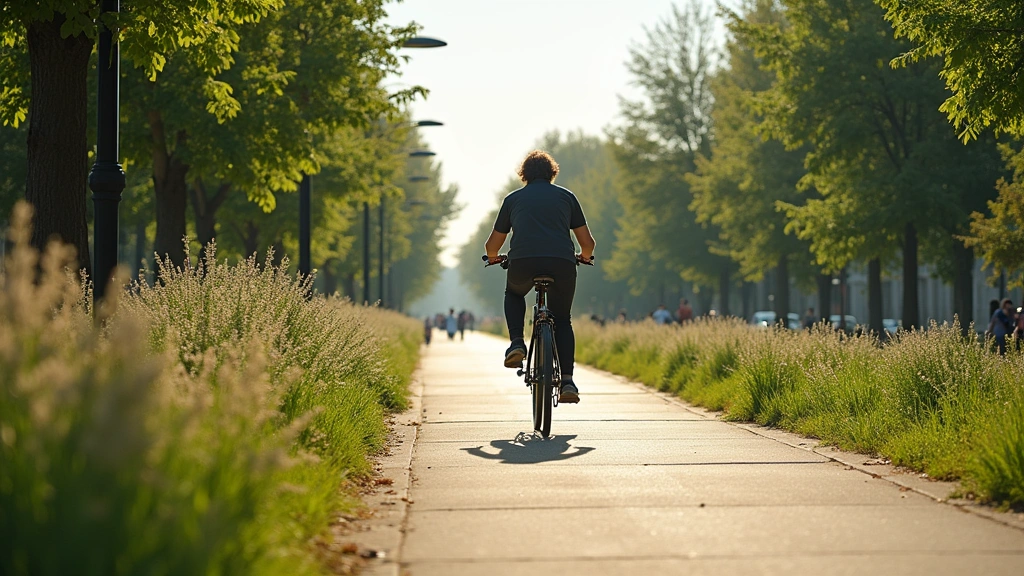
What is the connection between active transportation and reducing environmental pollution?
Active transportation eliminates vehicle emissions entirely. A 30-minute bike commute replaces 2-3 kg of CO2 emissions daily. When more people choose active transportation for fitness, communities respond by building better cycling infrastructure and pedestrian pathways, creating systemic environmental improvements that benefit everyone.
How does regular exercise strengthen your body’s resilience to environmental toxins and pollutants?
Regular aerobic exercise increases lung capacity by 15-25%, improving your body’s ability to extract oxygen and filter environmental particulates. Stronger cardiovascular function means better circulation of oxygenated blood, which supports your immune system’s response to pollution exposure. This physiological adaptation makes you more resilient to poor air quality days and environmental stressors.
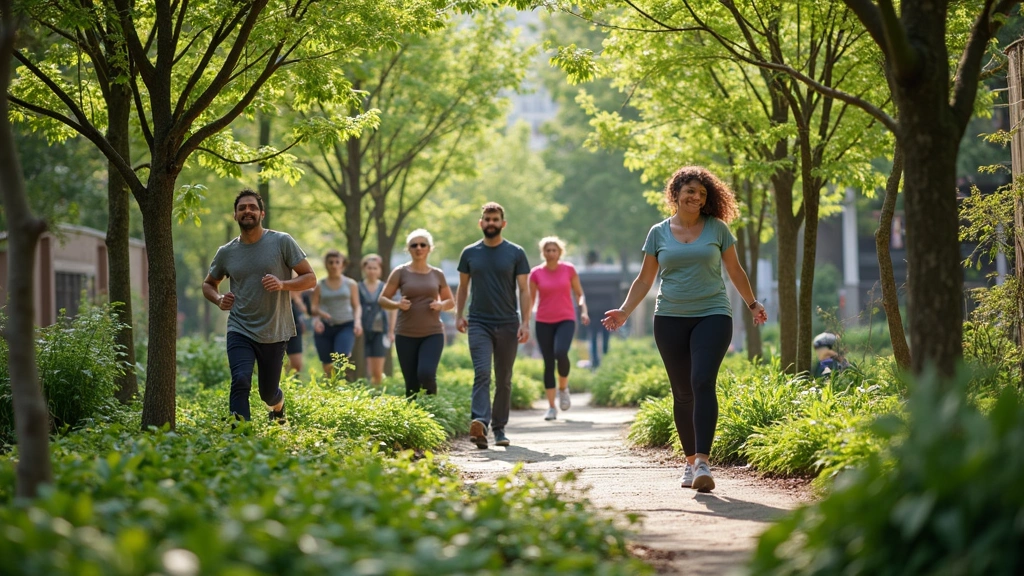
What psychological benefits of exercise lead to more sustainable and environmentally conscious behaviors?
Nature-based exercise produces endorphins that reduce stress and anxiety. Lower stress levels correlate with reduced impulse consumption and greater environmental consciousness. People who exercise outdoors regularly report stronger emotional connections to nature and increased motivation to protect ecosystems they’ve grown to appreciate through regular activity.
How do green spaces used for exercise provide additional environmental and health co-benefits?
Green spaces reduce surrounding temperatures by 2-8°C through shade and evapotranspiration. Trees sequester carbon while providing habitat for pollinators and wildlife. When communities invest in parks and trails for exercise, these spaces become focal points for environmental education and community engagement around sustainability issues. Consider consulting with online primary care doctors about optimizing your exercise routine for maximum environmental and health benefits.
Frequently Asked Questions
Does indoor exercise have environmental benefits?
The key is eliminating vehicle use. Home-based fitness or gym classes accessed by active transportation provide significant environmental benefits alongside health improvements.
How much exercise is needed to see environmental health improvements?
Even modest activity levels create environmental impact when you eliminate vehicle trips. Consistency matters more than intensity for long-term environmental and health benefits.
Can exercise help during poor air quality days?
Check local EPA air quality reports before outdoor exercise to protect your respiratory health.