
What Are Mental Health Applications and How Do They Help Users?
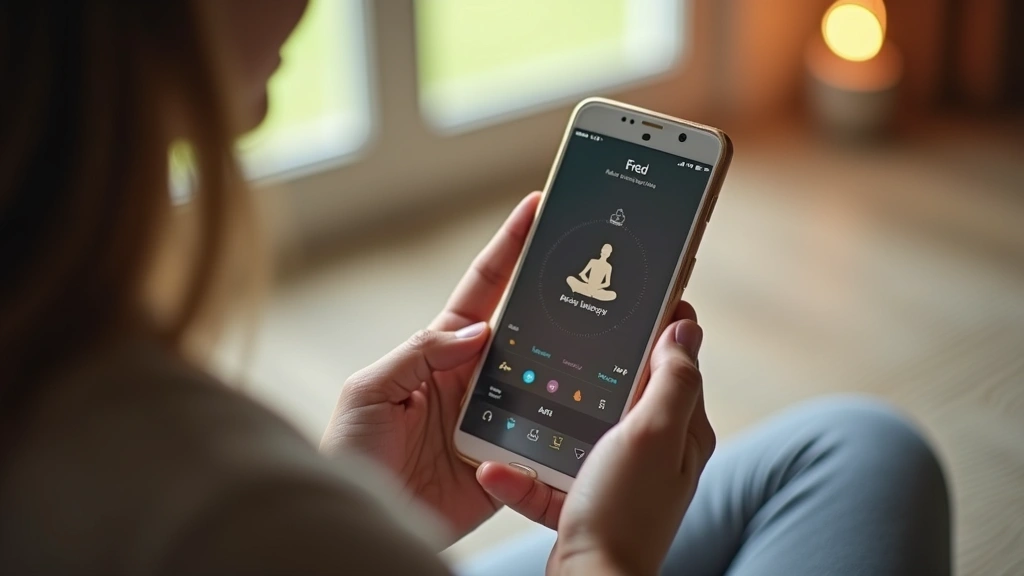
Mental health applications have transformed how millions of people access support for anxiety, depression, stress, and other mental health conditions. These digital tools democratize mental healthcare by removing barriers like cost, geography, and stigma. Whether you’re seeking professional therapy or daily wellness practices, mental health apps offer flexible solutions tailored to different needs and budgets.
The global mental health app market has grown exponentially, with over 10,000 mental health applications now available across major app stores. This growth reflects increasing demand for accessible mental health resources and growing recognition that digital tools can deliver measurable therapeutic benefits when designed with evidence-based practices.
What Are the Different Types of Mental Health Applications Available?
Mental health applications fall into several distinct categories. Therapy platforms like Talkspace and BetterHelp connect users with licensed therapists via messaging, video, or phone. Meditation apps such as Calm and Headspace guide users through mindfulness exercises and sleep programs. Mood tracking apps like Daylio and Moodpath help users monitor emotional patterns and identify triggers. CBT-based apps deliver structured cognitive behavioral therapy exercises for anxiety and depression. Crisis support apps provide immediate help during mental health emergencies through text, chat, or crisis hotlines.

How Effective Are Mental Health Applications for Treating Anxiety and Depression?
Peer-reviewed studies published in journals like JAMA Psychiatry and Lancet Psychiatry confirm that evidence-based mental health apps produce clinically significant symptom reductions. A meta-analysis of 89 randomized controlled trials found that digital mental health interventions reduced depression and anxiety scores by approximately 40-50% when users engaged consistently. The effectiveness increases when apps incorporate CBT principles, which are scientifically proven for anxiety and depression treatment. However, results depend on user engagement—apps work best for mild to moderate conditions when users commit to regular use.
What Are the Most Popular Mental Health Applications and How Do They Compare?
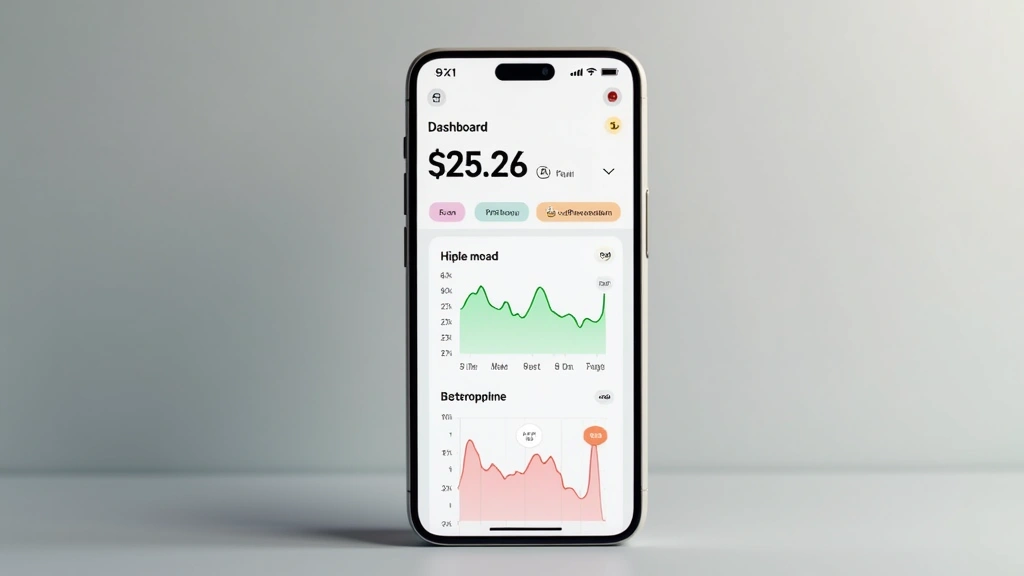
Talkspace and BetterHelp dominate the therapy app market, each serving millions of users with licensed therapist connections. Calm and Headspace lead the meditation category with extensive content libraries and personalized programs. Moodpath uses AI-powered assessments to track mental health patterns, while Daylio offers simple daily mood journaling. Crisis Text Line provides free 24/7 crisis support by texting HOME to 741741. Each app serves different needs—therapy apps suit those needing professional treatment, meditation apps work for daily wellness, mood trackers help identify patterns, and crisis apps provide emergency support. Telehealth platforms also integrate mental health prescribing capabilities for comprehensive care.
How Much Do Mental Health Applications Cost and Are They Covered by Insurance?
Pricing varies dramatically across mental health apps. Many offer free versions with limited features—Calm and Headspace charge $12-15 monthly for premium access. Therapy platforms like BetterHelp ($60-90 weekly) and Talkspace ($65-99 weekly) cost more due to therapist involvement. Some insurance plans now cover digital mental health services, particularly when apps are prescribed by healthcare providers. Medicare and major insurers increasingly reimburse teletherapy and certain digital therapeutics. Users should check their specific insurance plan and verify whether their chosen app qualifies for coverage.
What Are the Privacy and Security Concerns with Mental Health Applications?
Mental health data is highly sensitive, making security critical. Digital health applications must comply with HIPAA regulations to protect patient information. However, not all mental health apps are HIPAA-covered entities. Users should verify that apps use end-to-end encryption, have clear privacy policies, and don’t sell data to third parties. Check whether apps have SOC 2 certification or other security audits. Free apps particularly warrant scrutiny—if you’re not paying, your data might be the product. Always read privacy policies carefully before installing any mental health application.
Can Mental Health Applications Replace Traditional Therapy or Psychiatry?
Mental health apps excel as supplementary tools but cannot fully replace professional care. Apps work well for mild anxiety, stress management, and daily wellness practices. However, severe depression, bipolar disorder, psychosis, suicidal ideation, and complex trauma require comprehensive professional evaluation and treatment. Remote patient monitoring through integrated telehealth systems bridges this gap by combining apps with licensed provider oversight. The American Psychiatric Association recommends using apps alongside professional care, not instead of it. During mental health crises, contact emergency services or the 988 Suicide and Crisis Lifeline rather than relying solely on apps.
What Features Should I Look for When Choosing a Mental Health Application?
Evaluate mental health apps based on scientific backing—look for apps citing peer-reviewed research and clinical trials. Verify that therapists are licensed and qualified. User interface should be intuitive and accessible. Offline functionality helps users access content without internet connectivity. Progress tracking features enable monitoring improvements over time. Crisis support options are essential safety features. Transparent privacy policies and security certifications demonstrate commitment to data protection. Read user reviews focusing on effectiveness and customer service quality. Consider free trials before committing to paid subscriptions. Some apps now integrate AI-powered support for personalized recommendations, though human oversight remains important.
Frequently Asked Questions
Are mental health apps suitable for teenagers and young adults?
Apps like Woebot, Youper, and Sanvello have teen-specific versions. Research shows younger users engage well with app-based mental health interventions, particularly when apps use gamification and social features. Parents should review apps their teens use and maintain open communication about mental health support.
How long does it take to see results from mental health apps?
Results depend on app type and consistency. Meditation apps may produce relaxation benefits within days. Therapy and CBT apps require longer commitment for lasting change. Mood tracking apps help users identify patterns within weeks. Consistency matters more than duration—daily 10-minute sessions outperform sporadic longer sessions.
Can I use multiple mental health apps simultaneously?
Many users benefit from combining therapy apps with meditation or mood tracking apps. However, using too many apps simultaneously can feel overwhelming and reduce consistency. Choose 1-2 primary apps aligned with your specific mental health goals, then add complementary tools if needed.