
What Is the Significance of Mental Health Awareness Colors?
Mental health awareness has become increasingly important in modern society, and color symbolism plays a crucial role in these efforts. These designated colors serve as visual anchors that help communities recognize, remember, and engage with mental health causes. By understanding the significance of these colors, individuals and organizations can participate more effectively in awareness campaigns and contribute to destigmatizing mental health conditions.
The use of color in mental health advocacy extends beyond simple visual recognition—it creates emotional connections, facilitates community identification, and makes complex health information more accessible to the general public. Whether through ribbons, wristbands, or digital campaigns, these colors have become powerful tools for promoting conversation and understanding around mental wellness.
What Color Represents Mental Health Awareness Globally?
Green represents hope, healing, and renewal—qualities essential to mental health recovery and wellness. This color has been adopted globally by mental health organizations, making it the most recognizable symbol for overall mental health advocacy. During May, recognized as Mental Health Awareness Month in many countries, green dominates awareness campaigns, social media discussions, and public health initiatives.
What Are the Specific Colors for Different Mental Health Conditions?
Each mental health condition has its own color designation, allowing for targeted awareness and support. These specific colors help distinguish between different conditions and enable organizations to focus their messaging and resources effectively. The color assignments often reflect the emotional or symbolic nature of the condition they represent.

Why Do Mental Health Organizations Use Color Symbolism?
Color psychology demonstrates that visual symbols are processed faster than text and create stronger emotional responses. Mental health organizations leverage this by using consistent color schemes across campaigns, making their messages more memorable and shareable. This approach also helps break down barriers to mental health conversations by making awareness feel inclusive and approachable.
How Are Mental Health Awareness Colors Used in Campaigns and Events?
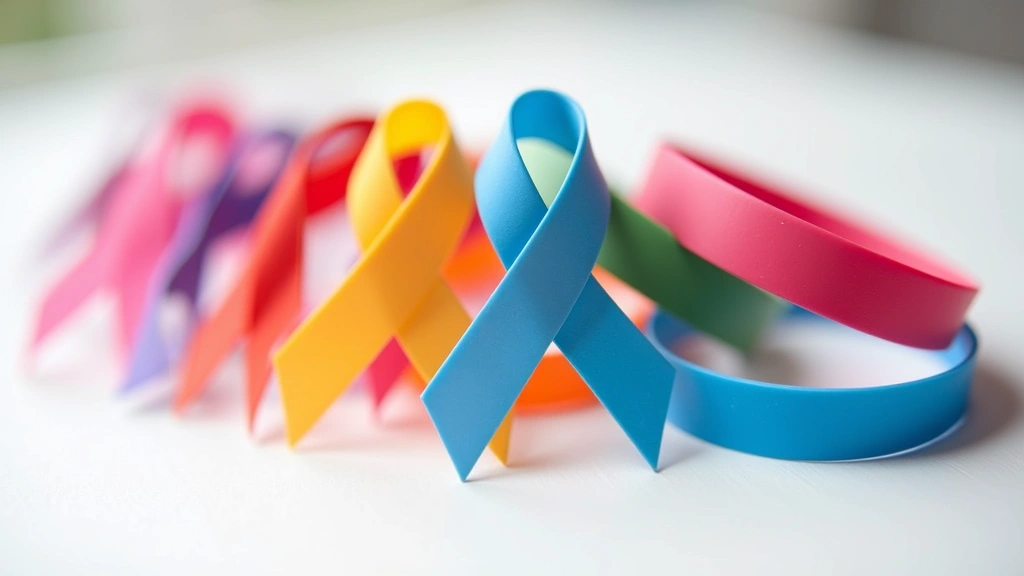
Mental health awareness colors appear across multiple platforms and formats. Ribbons and wristbands serve as wearable symbols of support, while organizations use colored graphics in digital campaigns. Awareness walks, fundraising events, and educational programs incorporate these colors to create cohesive, recognizable initiatives. Individuals can access online medical consultations to discuss mental health concerns with healthcare professionals.
What Is the History Behind Mental Health Awareness Color Designations?
The ribbon awareness movement began with the red ribbon for HIV/AIDS, inspiring other health organizations to adopt their own colors. Mental health advocates followed this successful model, creating a standardized system of color recognition. This evolution demonstrates how symbolic communication can drive meaningful social change and improve health outcomes through increased awareness and healthcare access.
How Can Individuals Participate in Mental Health Awareness Using Colors?
Participation in mental health awareness through colors is accessible to everyone. Simple actions like wearing a colored ribbon or sharing awareness graphics amplify important messages and normalize mental health conversations. These visible symbols encourage others to ask questions and learn more about mental health conditions, creating ripple effects throughout communities.
Frequently Asked Questions
What does wearing a mental health awareness color mean?
It’s a visible commitment to reducing stigma and promoting understanding. Whether through ribbons, clothing, or accessories, these symbols communicate care and awareness to others around you.
Are mental health awareness colors standardized internationally?
International mental health organizations work to maintain consistency in color symbolism to maximize recognition and impact across borders. Check local wellness resources for region-specific information.
How do mental health awareness colors differ from other ribbon colors?
Each awareness cause has its own color palette. Mental health colors focus specifically on psychological conditions, distinguishing them from physical health awareness campaigns. Understanding these differences helps ensure your advocacy efforts align with the intended message.