
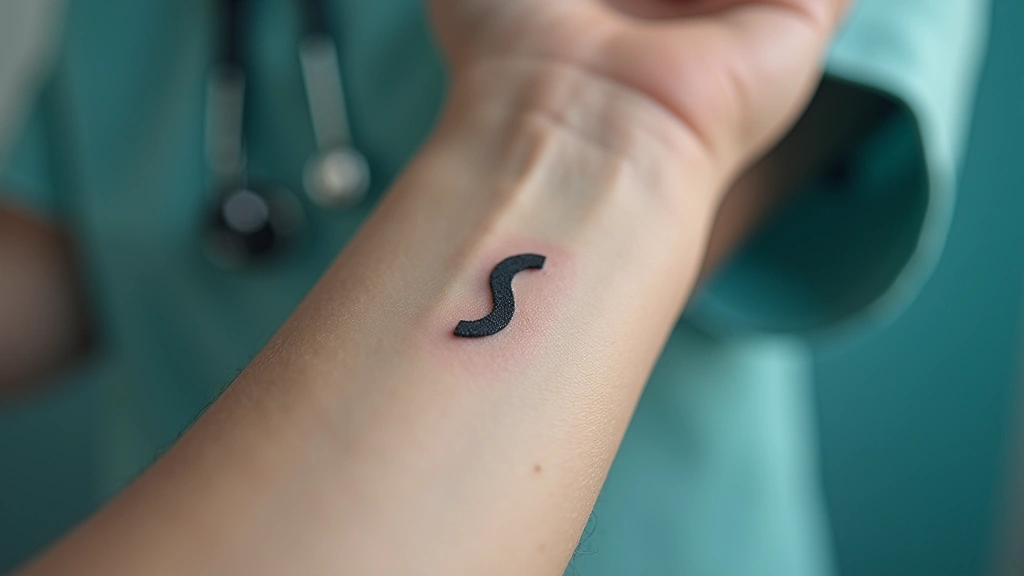
What Does a Mental Health Tattoo Mean and Why Do People Get Them?
Mental health tattoos have become increasingly meaningful expressions of personal resilience and recovery. These designs serve as permanent reminders of survival, strength, and the ongoing journey toward wellness. Whether representing specific mental health conditions, recovery milestones, or solidarity with the mental health community, these tattoos carry profound significance for those who wear them.
The decision to get a mental health tattoo often reflects a deeper commitment to mental wellness and breaking stigma surrounding mental illness. For many people, these tattoos become conversation starters that facilitate discussions about mental health awareness and normalize seeking support through virtual doctor visits or professional help.
What Are Common Mental Health Tattoo Designs and Their Meanings?
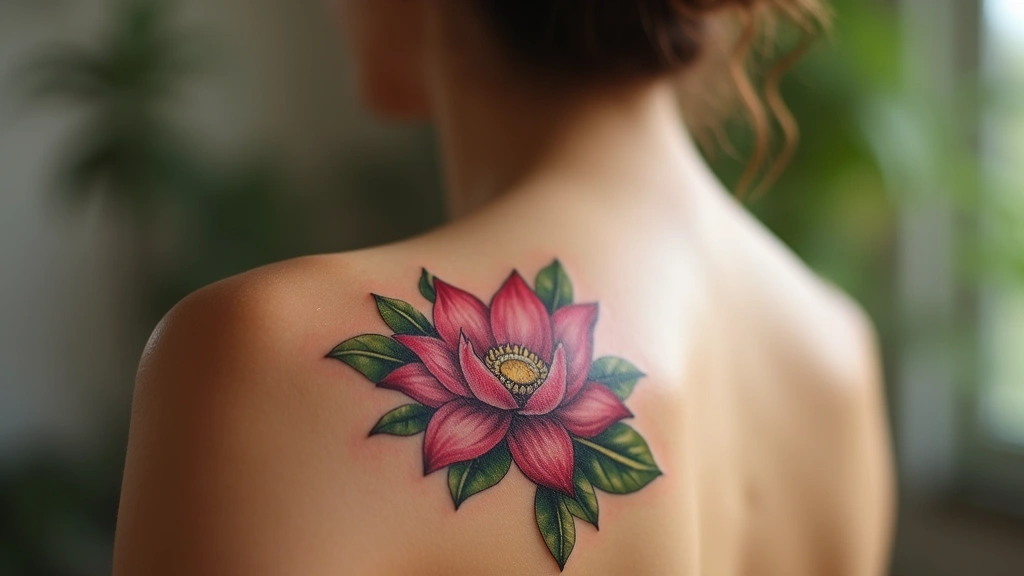
The most recognizable mental health tattoo is the semicolon, but designs extend far beyond this single symbol. Lotus flowers represent rebirth and growth emerging from difficult circumstances. Butterflies symbolize transformation and metamorphosis through mental health journeys. Some people choose abstract designs like waves or abstract lines representing emotional fluctuations. Others incorporate personal symbols, dates marking recovery milestones, or meaningful quotes that resonate with their mental health experience. Heartbeat lines combined with semicolons create hybrid designs that merge cardiac and emotional symbolism.
Why Is the Semicolon Such a Significant Mental Health Tattoo Symbol?
Project Semicolon launched in 2013, transforming this grammatical mark into a global mental health symbol. In writing, a semicolon indicates a pause—the story continues. This metaphor powerfully represents suicide prevention and mental health recovery, suggesting that suicidal thoughts represent a pause, not the end of someone’s life narrative. The semicolon tattoo movement gained momentum through social media, creating a visible community of people supporting mental health awareness and destigmatization.
How Can Mental Health Tattoos Support Recovery and Mental Wellness?
Mental health tattoos function as tangible anchors during difficult moments, providing visual reminders of personal strength and survival. They create instant recognition and connection with others in the mental health community, reducing feelings of isolation. Many people report that their tattoos spark meaningful conversations about mental wellness, helping break down stigma. These designs complement other wellness strategies, including mental health apps and professional support.
What Should Someone Consider Before Getting a Mental Health Tattoo?
Before getting a mental health tattoo, ensure the design genuinely resonates with your personal experience rather than following trends. Research reputable tattoo artists experienced with symbolic work and mental health designs. Reflect on placement, size, and whether the tattoo aligns with your professional environment and future self-image. Consider consulting with mental health professionals or support communities about your decision, ensuring it represents stable recovery rather than acute crisis moments.
Are There Mental Health Resources for People With Mental Health Tattoos?
Project Semicolon offers comprehensive resources, storytelling platforms, and community connection for people with semicolon tattoos. The National Suicide Prevention Lifeline (988) provides crisis support. Mental health communities on social media, Reddit, and tattoo forums connect people with similar designs. Many organizations recognize mental health tattoos as meaningful symbols of recovery and advocacy, incorporating them into awareness campaigns and support initiatives.
How Do Mental Health Tattoos Differ From Other Awareness Tattoos?
Mental health tattoos prioritize personal meaning and individual recovery narratives over organizational branding. They frequently incorporate semicolons, lotus flowers, or abstract representations of emotional experiences. Unlike charity ribbon tattoos or organizational logos, mental health tattoos celebrate personal resilience and survival stories, making them intensely individualized expressions of mental wellness journeys.
Frequently Asked Questions
Do mental health tattoos have religious or spiritual significance?
Mental health tattoos remain primarily personal and secular, though individuals may combine spiritual symbolism with recovery themes based on their beliefs and values.
Can mental health tattoos be combined with professional treatment?
Mental health tattoos work best alongside professional mental health treatment rather than as replacements for therapy or medication.
What if I regret my mental health tattoo later?
Consider your design carefully before getting tattooed, and remember that tattoo removal technology has advanced significantly if circumstances change.