

What Is Culinary Health and How Does It Relate to Nutrition and Wellness?
Culinary health bridges the gap between what nutritional science tells us we should eat and how we actually prepare and enjoy our food. Unlike traditional nutrition education that focuses on dietary guidelines and macronutrient ratios, culinary health empowers people to transform nutritional knowledge into delicious, sustainable meals. This approach has gained recognition in healthcare settings, with many institutions now incorporating culinary medicine into patient care and wellness programs.
The field recognizes that knowing what to eat is only half the battle—people also need practical skills to prepare nutritious meals at home. By combining chef expertise with medical and nutritional knowledge, culinary health professionals help patients understand how cooking methods, ingredient selection, and food preparation directly impact their health and disease management.
What Is the Difference Between Culinary Health and Nutritional Science?
Nutritional science examines vitamins, minerals, proteins, and other nutrients at a molecular level—how they’re absorbed, metabolized, and utilized by the body. Culinary health takes those scientific principles and translates them into actionable cooking practices. A nutritionist might recommend increasing fiber intake; a culinary health professional teaches you which whole grains to buy, how to prepare them to maximize nutrient retention, and how to make them taste appealing enough to eat regularly.
How Can Culinary Health Improve Overall Wellness and Disease Prevention?
Culinary health directly addresses the root causes of many chronic diseases. According to CDC data, chronic diseases account for most deaths and healthcare costs in the United States, with diet playing a central role. When people learn culinary health skills, they gain control over sodium levels, added sugars, and unhealthy fats in their meals—factors they cannot control when eating processed or restaurant foods.
What Cooking Techniques Are Considered Part of Culinary Health?
Culinary health emphasizes cooking methods that preserve heat-sensitive vitamins and phytonutrients. Steaming vegetables retains more nutrients than boiling, while quick high-heat cooking methods like stir-frying minimize nutrient loss. Understanding how different cooking temperatures and times affect food helps people make choices that maximize both flavor and nutritional benefit. Proper knife skills, food storage, and meal planning are equally important components of culinary health practice.
How Do Culinary Health Professionals Work With Patients or Clients?
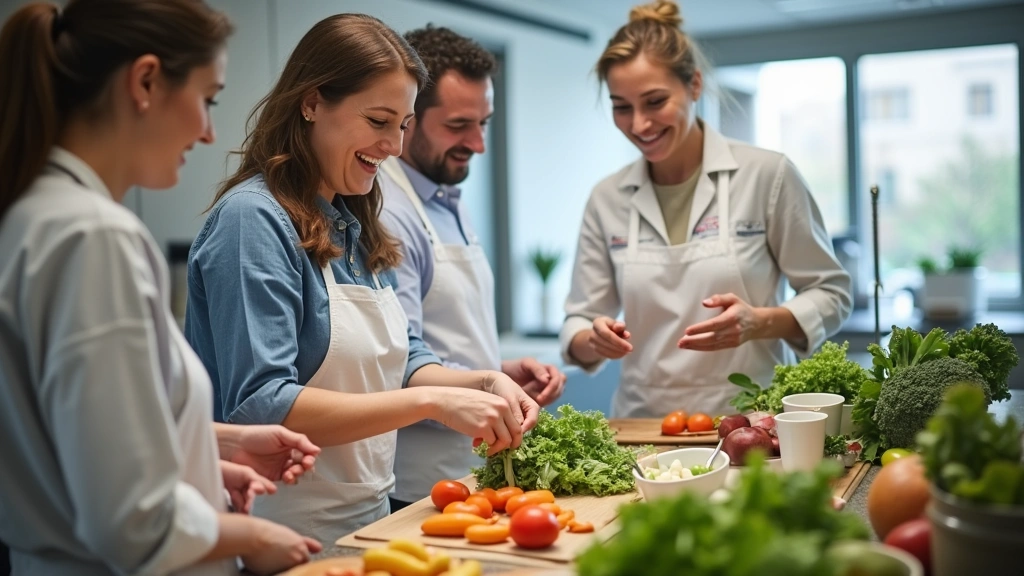
Culinary health professionals combine virtual consultations with hands-on cooking education. They assess a patient’s current eating habits, health conditions, and food preferences, then provide personalized strategies for meal preparation. Many healthcare systems now integrate culinary medicine into digital health platforms, offering cooking classes and nutrition counseling alongside traditional medical care. This collaborative approach has shown improved patient adherence to dietary recommendations.
What Role Does Culinary Health Play in Managing Chronic Diseases?
For patients managing type 2 diabetes, culinary health teaches carbohydrate selection and portion control through practical cooking. For those with hypertension, professionals demonstrate how to create flavorful meals without salt. Research from Mayo Clinic shows that patients who receive culinary medicine education show better disease markers and improved medication compliance. The key advantage is that culinary health makes healthy eating sustainable and enjoyable, not restrictive.

How Is Culinary Health Education Integrated Into Healthcare?
Progressive healthcare organizations are embedding culinary health into standard care protocols. Teaching hospitals now offer culinary medicine rotations for medical students, recognizing that physicians who understand food preparation can provide better dietary counseling. Clinical decision support systems increasingly incorporate culinary recommendations alongside pharmaceutical treatments. This integration reflects a shift toward preventive medicine and patient empowerment.
What Are the Benefits of Learning Culinary Health Skills for Home Cooking?
Learning culinary health transforms everyday cooking into a health intervention. Home cooks gain independence from processed foods and restaurant meals, saving money while improving nutrition. These skills become particularly valuable for managing food allergies, intolerances, and specific health conditions where personalized meal preparation is essential.
Frequently Asked Questions
Is culinary health the same as meal prep?
Culinary health can incorporate meal prep strategies, but it’s fundamentally about understanding how to cook for wellness.
Can culinary health help with weight management?
Culinary health makes healthy eating satisfying and sustainable long-term.
Where can I learn culinary health skills?
Ask your healthcare provider about culinary medicine programs in your area or available through healthcare automation platforms offering online cooking education.