

What is CareBridge Health and What Services Does It Provide?
CareBridge Health represents a comprehensive solution for healthcare organizations seeking to modernize patient care delivery beyond traditional office visits. The platform bridges the gap between episodic care and continuous management by combining telehealth capabilities with real-time patient monitoring. Healthcare systems, hospitals, and specialty clinics use CareBridge Health to manage chronic disease populations more effectively while reducing unnecessary hospitalizations and emergency department visits.
The platform addresses a critical challenge in modern healthcare: managing patients with complex conditions like heart disease, diabetes, and COPD requires constant vigilance and coordination. CareBridge Health provides the infrastructure and tools necessary for care teams to monitor patients continuously, intervene proactively, and coordinate care across multiple providers and settings.
What Specific Telehealth Services Does CareBridge Health Offer?
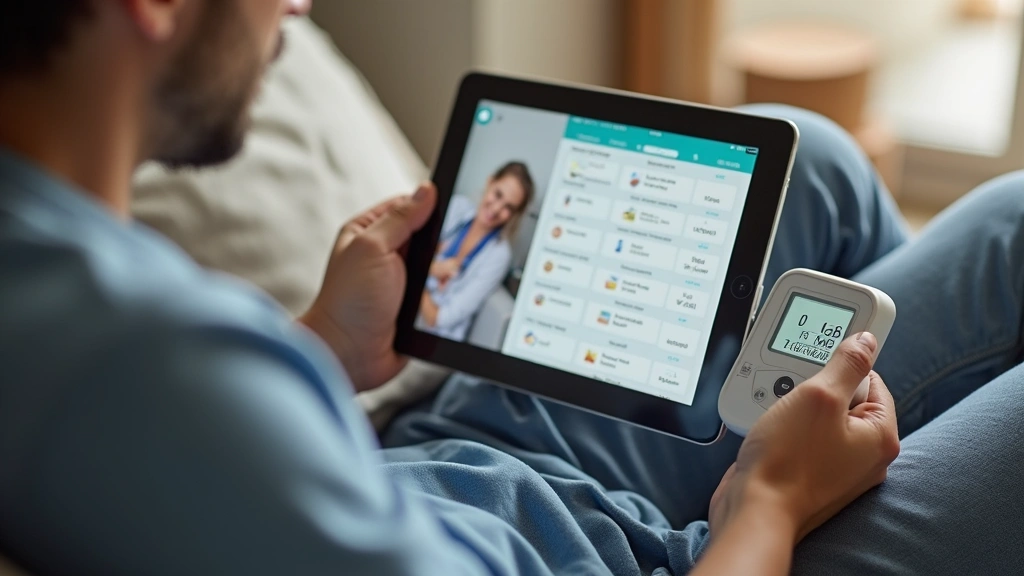
The platform enables virtual doctor visits where patients can connect with their care team remotely, reducing travel burden and improving accessibility. Beyond basic video consultations, CareBridge Health facilitates asynchronous communication, allowing patients to share updates and receive guidance without requiring real-time appointments. The platform includes secure messaging, appointment scheduling, and patient education resources integrated into a single interface.
How Does CareBridge Health’s Remote Patient Monitoring Technology Work?
Remote patient monitoring through CareBridge Health works by collecting data from FDA-cleared medical devices and patient-reported information. Blood pressure monitors, pulse oximeters, weight scales, and glucose meters transmit data directly to the platform. Machine learning algorithms analyze these metrics against individual patient baselines, triggering clinical alerts when values fall outside safe parameters. Care coordinators receive notifications and can intervene through virtual visits, medication adjustments, or escalation to emergency services.
Which Healthcare Organizations and Patient Populations Use CareBridge Health?
The platform is deployed across diverse healthcare settings, from large integrated health systems to smaller specialty practices. Organizations use CareBridge Health primarily for post-acute care management, ensuring patients remain stable after hospitalization. The platform particularly benefits cardiology, endocrinology, and pulmonology practices managing high-risk populations. Accountable care organizations (ACOs) and value-based care providers leverage CareBridge Health to reduce readmissions and earn quality bonuses under alternative payment models.
What Are the Key Features and Benefits of Using CareBridge Health?
Organizations implementing CareBridge Health report significant reductions in 30-day readmission rates, often decreasing them by 20-30% within the first year. The smart hospital platform capabilities enable better care coordination across departments and settings. Patient engagement increases through convenient access to care, reducing no-show rates and improving medication adherence. The platform generates detailed analytics showing which interventions are most effective for specific patient populations, enabling continuous quality improvement.

How Does CareBridge Health Integrate with Existing Electronic Health Records?
Healthcare interoperability is central to CareBridge Health’s design. The platform connects with leading EHR systems including Epic, Cerner, Athenahealth, and others through HL7 and FHIR standards. Patient demographics, medication lists, problem lists, and clinical notes sync automatically, eliminating duplicate data entry. Care teams access patient information within their existing EHR workflows, reducing adoption friction. EHR AI integration capabilities enable advanced analytics and predictive modeling within the platform.
What Is the Pricing Model and Cost Structure?
Pricing generally ranges from $50-150 per patient per month depending on monitoring intensity and clinical support requirements. Organizations can scale usage up or down based on patient census, making the model flexible for growing programs. Implementation costs and training are typically separate from monthly subscription fees. Many organizations find the investment pays for itself through reduced readmissions and improved quality metrics within 12-18 months.
How Does CareBridge Health Compare to Other Telehealth Platforms?
While consumer telehealth apps like Teladoc and Doctor on Demand focus on acute care and convenience visits, CareBridge Health targets enterprise healthcare organizations managing chronic disease populations. The platform emphasizes care team coordination rather than direct-to-consumer convenience. Unlike general-purpose remote monitoring platforms, CareBridge Health integrates clinical workflows, device management, and EHR connectivity into a unified system designed for complex care management. This enterprise focus makes it particularly suitable for health systems, ACOs, and specialty practices managing high-risk populations.
Frequently Asked Questions
Is CareBridge Health HIPAA compliant?
The platform undergoes regular security audits and maintains SOC 2 Type II certification, ensuring patient data protection and regulatory compliance across all operations and integrations.
Can patients use CareBridge Health on mobile devices?
The mobile apps support offline functionality for vital sign submission, with automatic synchronization when connectivity is restored, ensuring accessibility for patients with intermittent internet access.
What support and training does CareBridge Health provide?
Organizations receive dedicated implementation specialists, clinical workflow consultation, and continuous learning resources to maximize platform adoption and clinical outcomes.