
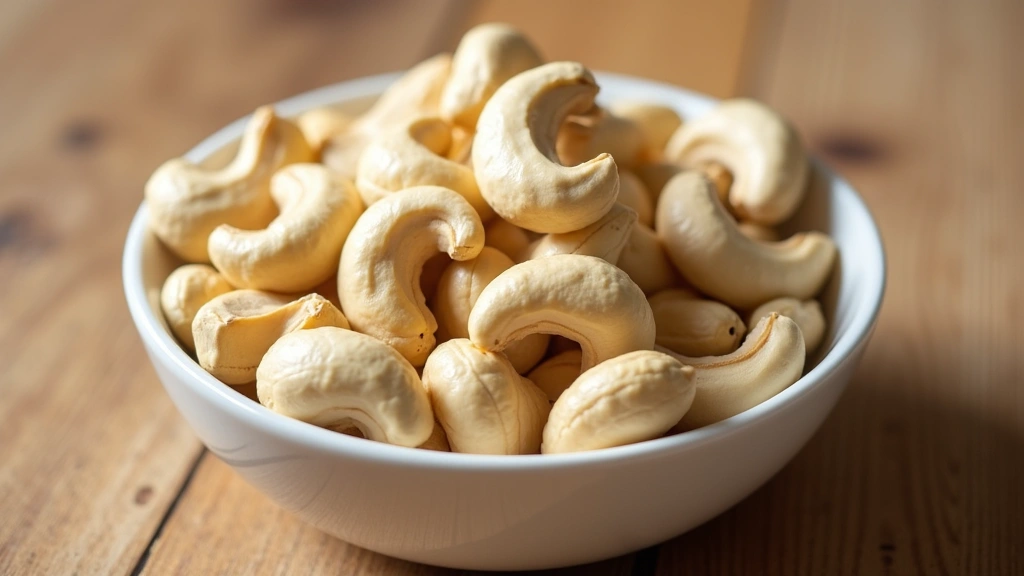
What Are the Health Benefits of Cashews?
Cashews have emerged as one of the most nutritionally valuable tree nuts available, offering a compelling combination of essential nutrients and bioactive compounds. Native to Brazil but now cultivated globally, these kidney-shaped nuts deliver measurable health benefits when incorporated into a balanced diet. Understanding their nutritional profile helps explain why nutritionists recommend them as part of heart-healthy eating patterns.
The health benefits of cashews extend beyond simple nutrition—they represent a functional food approach to disease prevention. Research published in nutrition journals demonstrates that regular, moderate cashew consumption correlates with improved cardiovascular markers and metabolic health outcomes.
What Nutrients and Vitamins Do Cashews Contain?
One ounce of cashews provides approximately 5 grams of protein, 9 grams of carbohydrates, and 12 grams of fat. Copper content is particularly notable—cashews deliver 67% of the daily recommended value per ounce, essential for collagen synthesis and iron metabolism. Magnesium comprises 20% of daily needs, supporting muscle and nerve function. These nuts also contain significant quantities of manganese, selenium, and phosphorus, minerals critical for bone mineralization and enzymatic reactions throughout the body.
How Do Cashews Support Heart and Cardiovascular Health?
Approximately 75% of cashew fat comes from heart-healthy monounsaturated fatty acids, the same type found in olive oil. These fats actively reduce LDL (bad) cholesterol while preserving HDL (good) cholesterol levels. Studies indicate that individuals consuming tree nuts like cashews show improved endothelial function—the ability of blood vessels to dilate and regulate blood pressure. The polyphenol content further combats inflammation, a key driver of atherosclerosis. For patients managing cardiovascular risk, consulting with healthcare providers through online medical consultations about dietary modifications including cashews can optimize heart health strategies.

Can Cashews Help With Weight Management and Metabolism?
While cashews contain approximately 155 calories per ounce, their macronutrient composition makes them surprisingly beneficial for weight management. The protein content triggers satiety hormones, reducing overall calorie intake throughout the day. Fiber aids digestive health and blood sugar stability, preventing energy crashes that lead to snacking. Research shows that nut consumers maintain healthier body weights than those avoiding nuts, likely because the satisfaction from nuts reduces subsequent food consumption.
What Are the Antioxidants in Cashews and Their Benefits?
Oxidative stress—an imbalance between free radicals and antioxidant defenses—underlies aging and chronic disease development. Cashews’ unique antioxidant profile includes compounds not found in many other foods. These molecules neutralize free radicals, reducing inflammation and cellular damage. Studies suggest regular consumption may lower type 2 diabetes risk by 27% and support cancer prevention pathways, though more human research is needed.
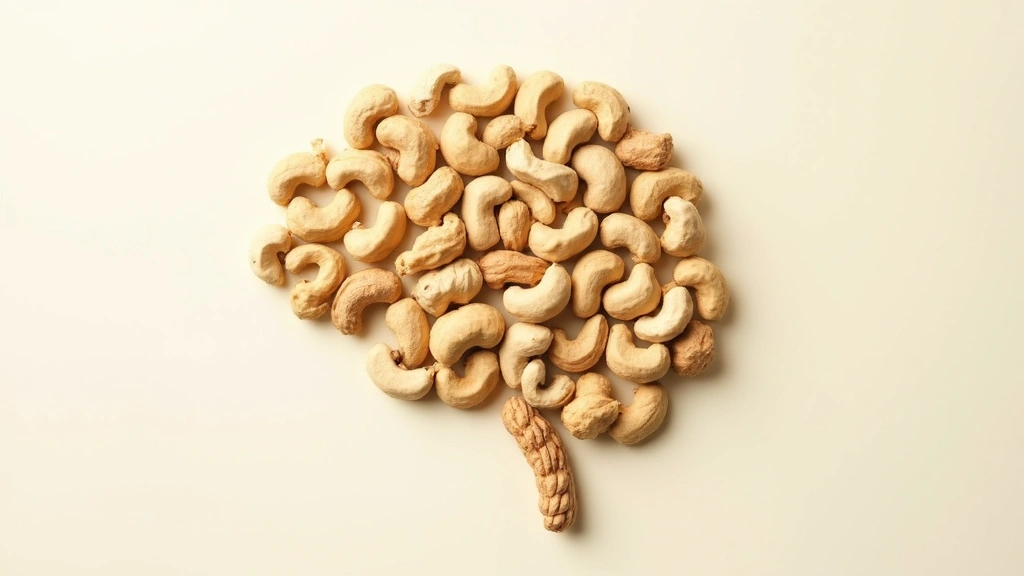
How Do Cashews Benefit Bone and Brain Health?
Copper is essential for cross-linking collagen and elastin, the structural proteins maintaining bone integrity and flexibility. Magnesium regulates calcium transport and bone mineralization. For brain health, cashews provide iron for oxygen transport, zinc for neuroplasticity, and minerals supporting neurotransmitter synthesis. These nutrients collectively support cognitive performance and may reduce neurodegenerative disease risk. Digital health platforms enable individuals to track nutritional intake and discuss brain health with specialists.
What Is the Recommended Daily Serving Size of Cashews?
One ounce daily provides optimal nutrient density without excessive calories. This serving size delivers meaningful quantities of copper, magnesium, and healthy fats while remaining compatible with most dietary patterns. Those with nut allergies must avoid cashews entirely, as allergic reactions can be severe. Healthcare access through remote consultations helps identify individual dietary needs and potential allergies.
Frequently Asked Questions
Are cashews safe for people with tree nut allergies?
Cross-reactivity between different tree nuts varies individually. Allergy testing through healthcare providers determines safe options.
Can cashews help regulate blood sugar levels?
Pairing cashews with whole grains or vegetables further moderates blood sugar response.
How do roasted versus raw cashews compare nutritionally?
Choose unsalted varieties to minimize sodium intake. According to USDA nutritional databases, both preparation methods deliver equivalent macronutrient benefits.