
What Services and Resources Does the Cincinnati Health Department Provide?
The Cincinnati Health Department serves as a critical public health infrastructure for Ohio’s second-largest city, offering comprehensive services designed to prevent disease, promote wellness, and respond to health emergencies. As a municipal health agency, it coordinates with state and federal health authorities to implement evidence-based public health programs that benefit all Cincinnati residents.
Whether you need routine immunizations, health screenings, or information about disease outbreaks, the Cincinnati Health Department provides accessible resources and expert guidance. Understanding the full scope of available services helps residents make informed decisions about their health and community safety.
What are the main services offered by the Cincinnati Health Department?
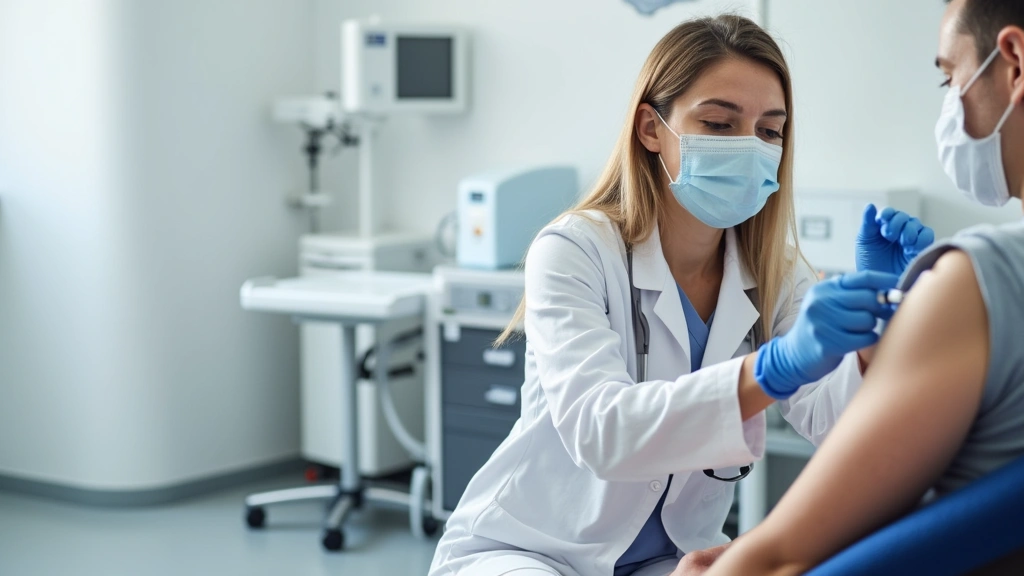
The Cincinnati Health Department operates multiple programs addressing diverse public health needs. Immunization services protect vulnerable populations against preventable diseases. Disease surveillance tracks health trends and potential outbreaks. Environmental health inspections ensure food safety and sanitary conditions at restaurants and facilities. Maternal and child health programs support prenatal care, childhood development, and family wellness initiatives.
How do I access Cincinnati Health Department services?
The Cincinnati Health Department offers multiple access points for residents. You can visit their main office for in-person services, call to schedule appointments, or inquire about specific programs. Many services are available through healthcare access channels, and the department increasingly offers telemedicine options for consultations and health guidance.

What are the Cincinnati Health Department’s hours and contact information?
The Cincinnati Health Department maintains regular business hours Monday through Friday. For current contact information, hours, and appointment scheduling, residents should visit the City of Cincinnati’s official website or call the main office. Emergency health concerns should be directed to appropriate emergency services.
Does the Cincinnati Health Department offer free or low-cost health services?
The Cincinnati Health Department prioritizes equitable access to essential health services. Many immunizations are provided free or at reduced cost, especially for children and low-income families. Health screenings and disease testing follow similar sliding scale fee structures to ensure financial barriers don’t prevent residents from accessing critical preventive care.

What communicable diseases does Cincinnati Health Department monitor and report?
Disease surveillance represents a core function of the Cincinnati Health Department. The agency monitors reportable diseases as defined by Ohio Department of Health regulations, investigates cases, and implements control measures. This coordinated response helps prevent transmission and protects vulnerable populations.
How does the Cincinnati Health Department handle food safety and facility inspections?
Environmental health inspectors evaluate food service establishments, retail food stores, and other facilities for compliance with state and local health regulations. Inspections assess food handling practices, sanitation, temperature control, and employee hygiene. Violations are documented and corrected to maintain public safety. For more information about health services and digital access improvements, visit healthcare digital transformation resources.
Frequently Asked Questions
Can I get vaccinated at the Cincinnati Health Department?
Immunization services are a primary offering. Contact the department to schedule vaccination appointments or inquire about specific vaccines needed.
How do I report a foodborne illness outbreak?
Prompt reporting helps prevent further illness and allows inspectors to investigate and implement corrective measures quickly.
What should I do if I’ve been exposed to a communicable disease?
Early notification allows health officials to conduct contact tracing and implement measures to prevent community transmission. For additional health information resources, visit CDC.gov or contact your local health department.