
What is the Connecticut Department of Public Health and What Does It Do?
The Connecticut Department of Public Health serves as the backbone of public health infrastructure throughout Connecticut. Operating under state government authority, DPH coordinates with local health departments, healthcare providers, and community organizations to address health threats and improve population health outcomes. The agency combines regulatory authority with direct service delivery, making it essential for residents seeking public health information or services.
Understanding DPH’s role helps Connecticut residents access vital services and stay informed about health initiatives. Whether you need immunizations, disease reporting, or health permits, DPH provides comprehensive public health support.
What are the main divisions and services offered by the Connecticut Department of Public Health?
The Connecticut DPH is organized into specialized divisions addressing different public health areas. The Infectious Disease Division manages disease surveillance and outbreak response. The Environmental Health Division regulates food service, water systems, and hazardous waste. The Chronic Disease and Prevention Division focuses on conditions like diabetes, heart disease, and cancer through education and screening programs. The Health Disparities Division works to reduce inequities in healthcare access and outcomes across different populations.
How do I contact the Connecticut Department of Public Health for health concerns or reporting?
Connecticut residents can contact DPH through multiple channels. The main office operates in Hartford during business hours for general inquiries. For disease outbreaks or emergency health threats, DPH maintains 24/7 reporting lines. Regional health departments throughout Connecticut provide local access to services. Specific divisions handle specialized concerns—contact the Infectious Disease Division for disease reporting, or the Environmental Health Division for food safety issues.

What licenses and permits does the Connecticut DPH issue?
DPH’s regulatory authority extends across multiple sectors. Healthcare facilities including hospitals, nursing homes, and clinics require DPH licensure. Food service establishments from restaurants to catering companies need permits. Public water systems must meet DPH standards. Childcare facilities, recreational facilities, and other venues handling public health concerns also fall under DPH oversight. This licensing system ensures facilities meet state health codes and safety standards, protecting public welfare across Connecticut communities.
How does Connecticut DPH handle disease surveillance and outbreak response?
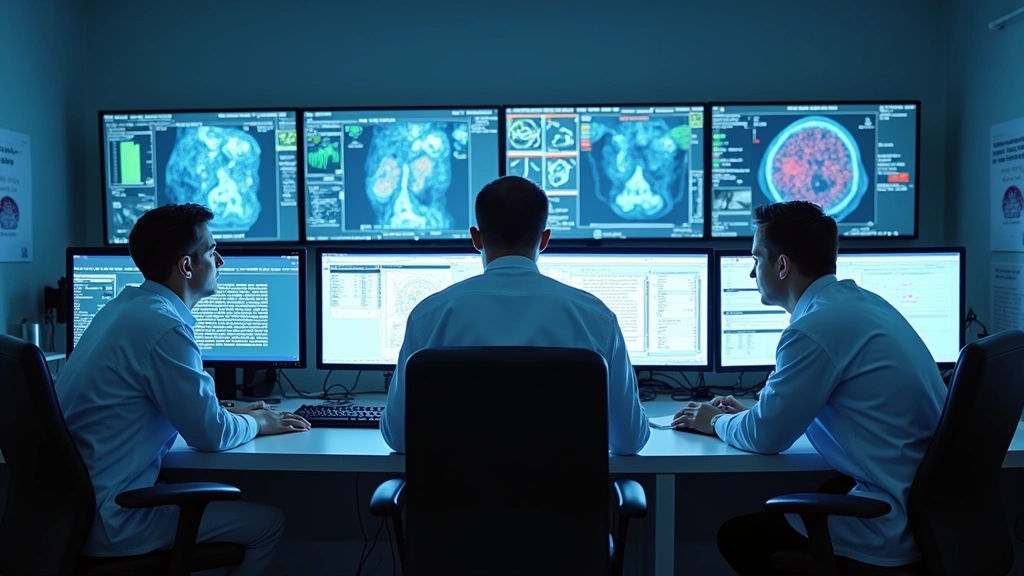
Connecticut DPH continuously monitors reportable diseases through a statewide surveillance system. Healthcare providers report cases to DPH, creating a real-time picture of disease activity. When outbreaks occur, DPH epidemiologists investigate sources, identify contacts, and implement control measures. The agency coordinates with CDC on significant outbreaks. DPH also manages vaccination programs and emergency response protocols, ensuring rapid action during public health emergencies. This proactive surveillance prevents disease spread and protects community health.
What public health programs and resources does Connecticut DPH provide to residents?
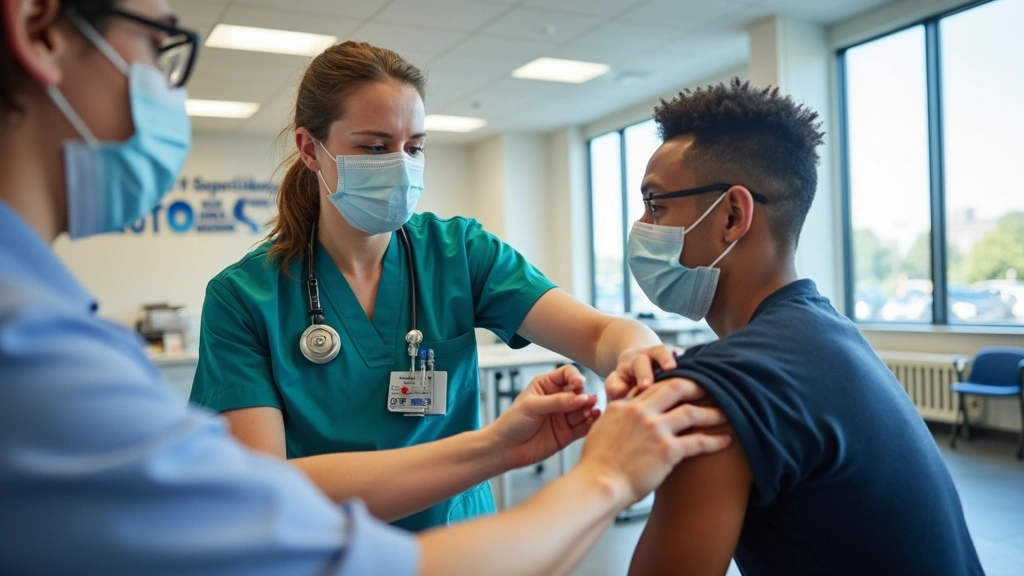
DPH delivers direct health services to Connecticut residents. Immunization clinics provide vaccines at reduced or no cost. Sexual health clinics offer STI testing and treatment. Maternal and child health programs support pregnant women and young families. Tobacco cessation programs help residents quit smoking. Health education campaigns address chronic disease prevention, mental health, and healthy lifestyles. Many services are available through telemedicine platforms, expanding access to care. These programs reduce health disparities and improve population health outcomes across Connecticut.
How can I access Connecticut DPH vital records or health certificates?
Connecticut DPH maintains vital records for all births, deaths, and marriages in the state. Residents can request certified copies online through the DPH website, by mail with completed forms and fees, or in person at the vital records office. Processing times vary by method. Health certificates and other official documents are also available. Valid identification and proof of relationship may be required for certain records. This centralized system ensures secure access to essential personal health documentation.
Frequently Asked Questions
Is the Connecticut Department of Public Health the same as local health departments?
DPH provides statewide policy, oversight, and specialized services. Local health departments deliver day-to-day public health services in their communities, including immunizations, disease investigation, and environmental health inspections. Both work together to protect Connecticut’s public health.
Can I report a disease outbreak to Connecticut DPH anonymously?
Protecting public health is the priority. You can report suspected outbreaks anonymously to DPH’s 24/7 hotline or through their website without providing personal information.
Does Connecticut DPH provide health insurance or direct medical care?
DPH focuses on population health and disease prevention rather than comprehensive medical care. However, it can connect residents with health insurance options and medical providers through referral services and community partnerships.