
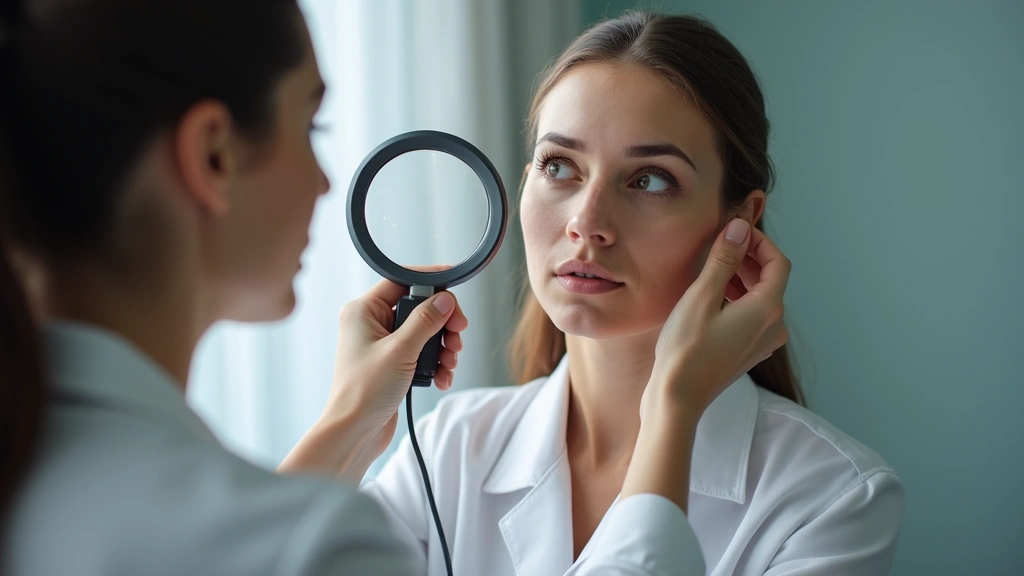
What is Dermatology and How Does It Relate to Skin Health?
Your skin is your body’s largest organ, protecting you from environmental damage, infection, and UV radiation. Dermatology plays a critical role in maintaining this protective barrier and addressing the thousands of skin conditions that affect millions of people annually. Whether you’re dealing with a persistent rash, suspicious moles, or seeking cosmetic improvements, dermatologists combine medical expertise with specialized knowledge to optimize skin health at every age.
What Are the Most Common Skin Conditions Dermatologists Treat?
Dermatologists address over 3,000 different skin conditions. Acne affects approximately 50 million Americans annually, while eczema impacts 31.6 million people. Psoriasis, fungal infections like those treatable with terbinafine prescriptions, and skin cancer screening are routine dermatology services. Each condition requires specific diagnostic expertise and treatment protocols that extend beyond general medical practice.
How Can I Maintain Healthy Skin Through Daily Practices?
Daily skin health maintenance prevents 80% of premature aging. Apply broad-spectrum sunscreen daily, cleanse twice daily with gentle products, and moisturize within three minutes of bathing to lock in hydration. Drinking 8 glasses of water daily supports skin elasticity, while foods rich in antioxidants strengthen skin barriers from within.

When Should I See a Dermatologist Versus Treating Skin Issues at Home?
Schedule a dermatology appointment if you notice asymmetrical moles, itching that disrupts sleep, or infections showing signs of spreading. Professional evaluation prevents serious conditions from progressing and ensures appropriate treatment selection.
What Is the Difference Between Dermatologists and Estheticians?
Dermatologists complete medical school, residency, and often board certification. They prescribe medications, perform biopsies, and treat medical conditions. Estheticians provide facials, extractions, and skincare advice but cannot diagnose diseases or prescribe treatments. For medical concerns, dermatologists are essential.
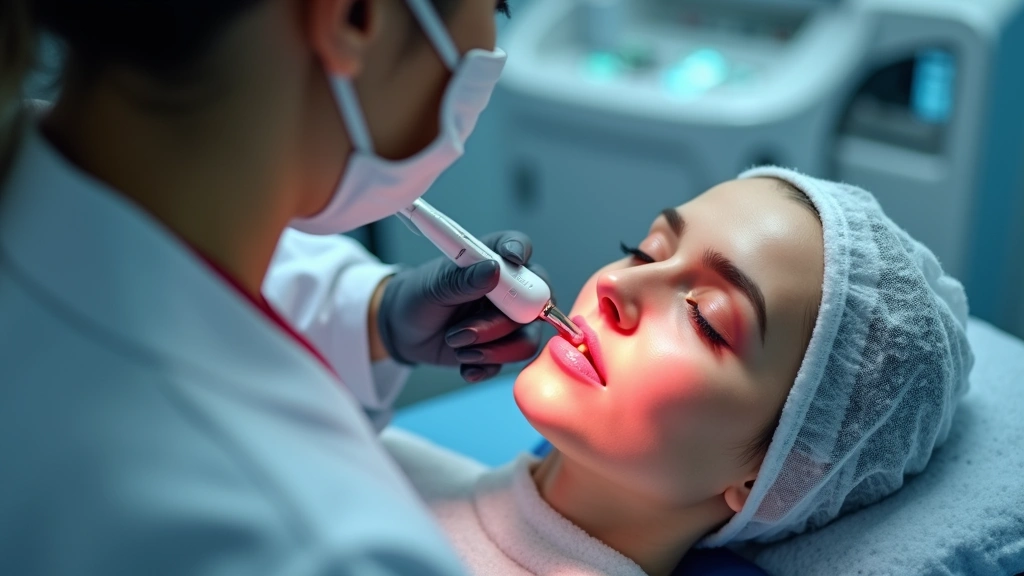
What Modern Dermatology Treatments Are Available for Anti-Aging and Skin Rejuvenation?
Advanced dermatology offers non-invasive and minimally invasive solutions. Botox relaxes dynamic wrinkles, while fillers restore volume loss. Laser treatments address pigmentation and texture, and telehealth dermatology services now make consultations accessible. These treatments work synergistically with preventive skincare routines for optimal results.
How Does Skin Health Change With Age and What Preventive Measures Help?
Starting preventive skincare in your 20s yields significant benefits by your 40s. Collagen production decreases 1% annually after age 25. Retinoids stimulate collagen renewal, while antifungal and prescription skincare products address specific aging concerns. Professional treatments complement home routines for comprehensive skin health management.
Frequently Asked Questions
How often should I get a skin cancer screening?
Those with fair skin, family history of melanoma, or numerous moles should schedule screenings every 6-12 months. Early detection saves lives—melanoma survival rates exceed 99% when caught at stage one.
Can dermatologists treat hair and nail problems?
Hair loss affects 50 million men and 30 million women in the US. Dermatologists diagnose underlying causes and prescribe evidence-based treatments for hair and nail restoration.
Is dermatology covered by insurance?
Coverage varies by insurance plan and condition. Contact your provider to confirm coverage before scheduling appointments.