
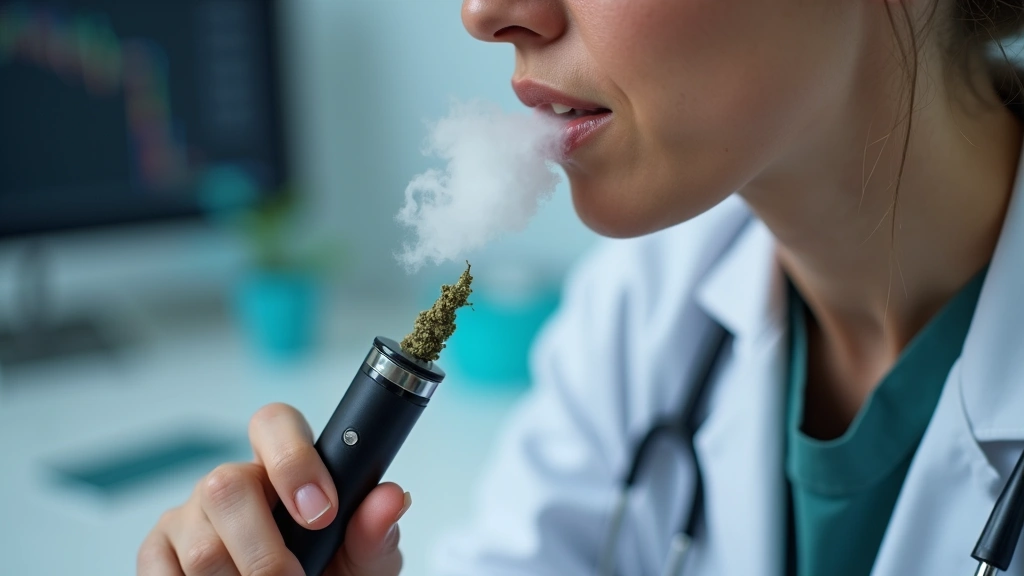
What Are the Health Risks Associated with Using Dry Herb Vaporizers?
While dry herb vaporizers have gained popularity as a supposedly safer alternative to traditional smoking, the health picture is more complex than many users realize. Understanding these risks is essential for making informed decisions about vaporizer use and protecting your respiratory health.
How Do Dry Herb Vaporizers Compare to Smoking in Terms of Health Risks?
The primary advantage of vaporization is that it heats herbs to release active compounds without burning them completely. This eliminates many toxic byproducts associated with smoking, including tar, ash, and carbon monoxide. However, this doesn’t mean vaporizers are risk-free—they simply present a different risk profile than combustion-based methods.
What Specific Respiratory Issues Can Dry Herb Vaporizers Cause?
Even though vaporization avoids combustion, inhaling heated plant material can irritate the respiratory tract. Common complaints include dry mouth, throat irritation, persistent coughing, and bronchitis-like symptoms. The heating process itself can damage delicate lung tissue, and repeated exposure may lead to chronic inflammation.

Are There Long-Term Health Effects from Regular Dry Herb Vaporizer Use?
The lack of long-term research on vaporizer use is a significant concern. We don’t yet fully understand how decades of inhaling heated plant compounds affects lung function and overall respiratory health. Early research suggests potential for reduced lung capacity and chronic inflammation, but more studies are needed.
Can Dry Herb Vaporizers Cause Dependency or Addiction?
The addiction potential of vaporizers mirrors that of the substances being vaporized. Cannabis users may develop psychological dependence, while nicotine vaporizers carry significant addiction risk. If you’re concerned about substance use, consulting with a telemedicine doctor can provide personalized guidance.
What Contaminants or Harmful Substances Can Be Released?
Research has detected volatile organic compounds (VOCs) like benzene and toluene in vaporizer emissions. Additionally, if herbs contain pesticide residues or mold, heating can concentrate these contaminants. Device quality matters significantly—poor-quality vaporizers may leach metals from heating elements.
How Can Users Minimize Health Risks?
If you choose to use a vaporizer, harm reduction practices can help minimize risks. Lower temperatures produce fewer harmful compounds, while sourcing clean, tested herbs reduces contaminant exposure. Regular device maintenance and limiting frequency are equally important. If you experience respiratory symptoms, speak with a primary care doctor promptly.
Frequently Asked Questions
Are dry herb vaporizers completely safe?
Vaporizers reduce some risks associated with combustion but introduce others. They’re harm reduction tools, not risk-free alternatives. Anyone with pre-existing respiratory conditions should avoid them.
What temperature should I use to minimize harm?
There’s a tradeoff between efficacy and safety. Consult healthcare access resources if you need personalized advice.
Should I see a doctor if I use a dry herb vaporizer?
Regular telemedicine consultations can help monitor your respiratory health. For authoritative information, see CDC guidance on inhalation devices.