
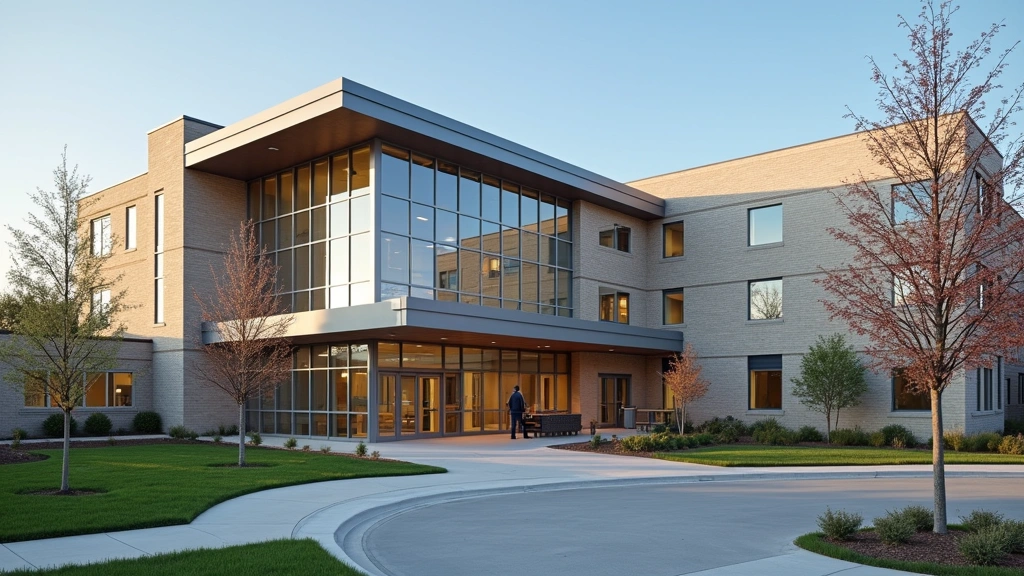
What is Rogers Behavioral Health in Oconomowoc and What Services Do They Offer?
Rogers Behavioral Health operates one of Wisconsin’s most comprehensive mental health and addiction treatment networks, with the Oconomowoc location serving as a major hub for specialized psychiatric care. The facility combines evidence-based treatment approaches with personalized care plans designed to address the unique needs of each patient.
The Oconomowoc campus provides multiple levels of care, from crisis stabilization to long-term residential treatment, making it accessible for individuals at different stages of their mental health journey. Whether someone is experiencing acute symptoms or seeking ongoing therapeutic support, Rogers offers tailored programs to meet those needs.
What Types of Treatment Programs Does Rogers Behavioral Health Oconomowoc Offer?
The facility specializes in treating eating disorders, obsessive-compulsive disorder (OCD), depression, anxiety disorders, bipolar disorder, and substance use disorders. Inpatient programs provide 24/7 medical monitoring and psychiatric care, while residential treatment offers a structured therapeutic environment for individuals requiring extended support. Partial hospitalization and intensive outpatient programs bridge the gap between full hospitalization and standard therapy, allowing patients to maintain some daily independence while receiving comprehensive treatment.

Does Rogers Behavioral Health Oconomowoc Accept Insurance and What Are the Costs?
Rogers works with patients to navigate insurance coverage and offers financial counseling for those with limited coverage options. The facility’s admissions department can verify insurance benefits and explain out-of-pocket costs before treatment begins, helping families plan financially for care.

What Is the Admission Process and How Long Is Treatment at Rogers Oconomowoc?
The admission process typically involves a phone screening, clinical assessment, and insurance verification. Rogers’ clinical team develops individualized treatment plans that determine appropriate program length. Many patients benefit from healthcare digital transformation features that enhance their care coordination and follow-up planning.
What Age Groups Does Rogers Behavioral Health Oconomowoc Treat?
Age-specific programming ensures that treatment approaches match developmental needs. Adolescent programs address issues common to teens, while adult programs focus on adult-specific challenges and life circumstances.
How Does Rogers Behavioral Health Oconomowoc Compare to Other Mental Health Facilities in Wisconsin?
The facility’s scale and specialization distinguish it in the Wisconsin mental health landscape. Rogers’ expertise in treating complex conditions like eating disorders and OCD makes it a referral destination for patients seeking specialized care. Learn more about wellness approaches integrated into treatment.
Does Rogers Behavioral Health Oconomowoc Offer Telehealth or Virtual Therapy Options?
Virtual care options enhance accessibility for ongoing treatment and telemedicine appointments. This flexibility helps patients maintain continuity of care after completing intensive programs.
What Credentials and Accreditations Does Rogers Behavioral Health Oconomowoc Hold?
The Joint Commission accreditation demonstrates Rogers’ commitment to quality care and patient safety. Staff credentials and ongoing professional development ensure evidence-based treatment delivery. For more information about regulatory standards, visit The Joint Commission.
Frequently Asked Questions
How do I contact Rogers Behavioral Health Oconomowoc for an admission evaluation?
The admissions team can answer questions about programs, insurance, and treatment options during your initial contact.
Can family members participate in treatment at Rogers Oconomowoc?
Family participation strengthens treatment outcomes and helps loved ones understand mental health conditions and recovery processes.
What happens after completing a program at Rogers Behavioral Health Oconomowoc?
Continuing care and healthcare technology integration help patients maintain progress and prevent relapse.