

What is a Rural Health Group and How Do They Operate?
Rural health groups represent a critical infrastructure for delivering healthcare in America’s underserved communities. With over 60 million Americans living in rural areas and facing significant healthcare disparities, these collaborative networks address the fundamental challenge of limited medical resources and provider shortages. By pooling resources and expertise, rural health groups create sustainable healthcare delivery models that serve populations often overlooked by traditional healthcare systems.
The structure of rural health groups varies, but they typically include a mix of clinics, small hospitals, ambulatory care facilities, and affiliated specialists. These organizations operate on the principle that collaboration amplifies their collective strength, allowing individual rural providers to compete more effectively and serve their communities better than they could in isolation.
What Types of Healthcare Services Do Rural Health Groups Provide?
Rural health groups provide comprehensive healthcare services tailored to their communities’ needs. Primary care forms the foundation, with family medicine and internal medicine practices serving as the entry point for patients. Emergency departments operate 24/7, though many rural facilities transfer complex cases to larger regional hospitals. Chronic disease management programs address conditions like diabetes and hypertension, which disproportionately affect rural populations. Mental health services, increasingly critical in rural areas facing opioid epidemics and rural suicide rates 1.5 times higher than urban areas, are integrated into care delivery. Preventive services including vaccinations, screenings, and health education complete the service spectrum.
How Do Rural Health Groups Address Healthcare Access Challenges?
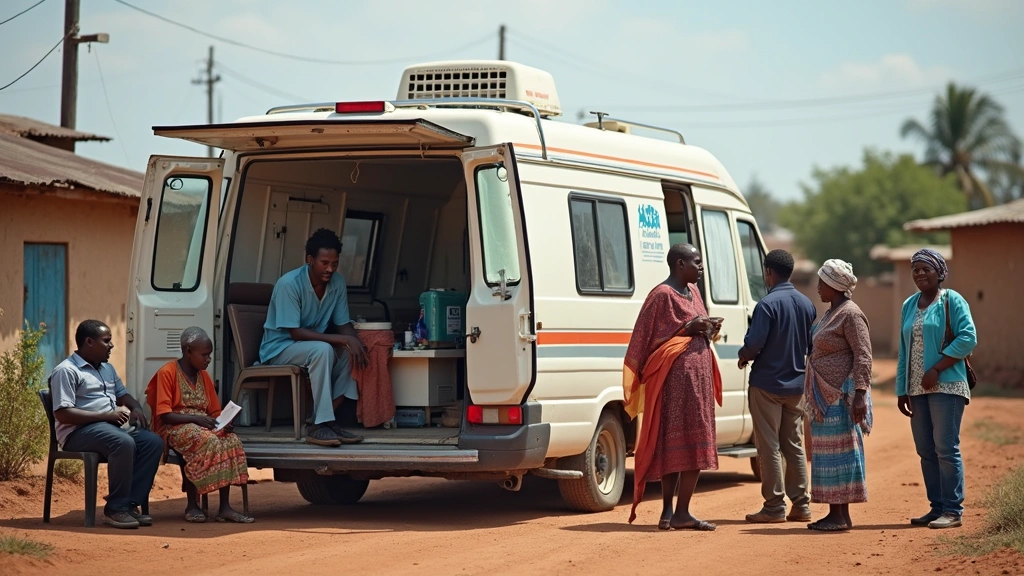
Technology plays a transformative role in rural health group operations. Remote patient monitoring enables chronic disease management from patients’ homes, reducing unnecessary clinic visits. Mobile clinics bring services directly to isolated communities. Community health workers, often recruited from the populations they serve, bridge cultural and geographic gaps. Strategic partnerships with academic medical centers and large hospital systems facilitate specialist consultations and complex case management. Digital health infrastructure connects rural providers with urban specialists, dramatically improving diagnostic accuracy and treatment planning.

What Funding Sources Support Rural Health Groups?
Sustainable funding remains critical to rural health group operations. Federal programs including the Rural Community Hospital Initiative and Health Resources and Services Administration (HRSA) grants provide foundational support. Medicare and Medicaid reimbursements comprise significant revenue streams, though rural reimbursement rates remain lower than urban counterparts. Many groups supplement income through private insurance contracts and patient fees. Philanthropic funding from rural health foundations and corporate sponsors supports innovation and workforce development initiatives.
How Do Rural Health Groups Differ from Other Rural Healthcare Entities?
Rural health groups function as coordinated systems rather than standalone entities. Critical Access Hospitals (CAHs) are designated facilities with specific regulatory requirements and Medicare reimbursement advantages. Federally Qualified Health Centers (FQHCs) receive federal funding specifically for serving uninsured and underinsured populations. Rural health groups often incorporate both CAHs and FQHCs, creating integrated delivery networks that leverage each entity’s strengths. This differentiation allows rural health groups to optimize funding streams and regulatory compliance across their service areas.
What Operational Challenges Do Rural Health Groups Face?
Rural health groups operate under significant constraints. The primary care physician shortage in rural areas remains acute, with rural communities having only 50 primary care physicians per 100,000 people compared to 85 in urban areas. Healthcare technology integration requires substantial capital investment rural groups often cannot afford. Patient transportation to centralized facilities creates barriers to access. Outdated electronic health records systems impede EHR AI integration and data sharing. Competitive disadvantages against larger urban health systems make recruitment and retention increasingly difficult.
How Do Rural Health Groups Develop Healthcare Workforce?
Workforce development represents a strategic priority for rural health groups. Medical school partnerships create pipeline programs exposing future physicians to rural practice. Loan forgiveness programs, including federal forgiveness initiatives for rural practitioners, reduce financial barriers to rural practice. Training programs for community health workers develop local talent. Many groups offer mentorship and professional development opportunities to retain experienced providers. Competitive compensation packages and quality-of-life improvements increasingly attract physicians seeking alternatives to urban practice.
How Can Patients Access Rural Health Group Services?
Patient access to rural health group services has expanded significantly through integrated systems. Patients can schedule appointments at primary care clinics, access emergency departments, and receive specialty consultations through coordinated referral networks. Telehealth platforms enable remote consultations, reducing travel burdens. Financial assistance programs, including sliding-scale fees based on income, ensure healthcare access regardless of insurance status. Community outreach initiatives inform patients about available services and eligibility requirements.
Frequently Asked Questions
What is the difference between a rural health group and a rural hospital?
Rural health groups function as integrated delivery systems combining clinics, hospitals, and specialty services. This network approach provides economies of scale, shared administrative resources, and coordinated care that individual rural hospitals cannot achieve independently.
Are rural health groups nonprofit or for-profit organizations?
Nonprofit status enables rural health groups to access federal grants, philanthropic support, and tax advantages that support their mission of serving underserved populations. Some groups have for-profit components or partnerships, but nonprofit status predominates.
How has COVID-19 impacted rural health group operations?
The pandemic forced rapid digital transformation and revealed both vulnerabilities and resilience in rural health systems. Rural health groups adapted quickly to telehealth delivery, though technological limitations and broadband access challenges persisted. Federal emergency funding provided temporary relief, but long-term sustainability concerns remain as groups address deferred care backlogs and workforce burnout.