
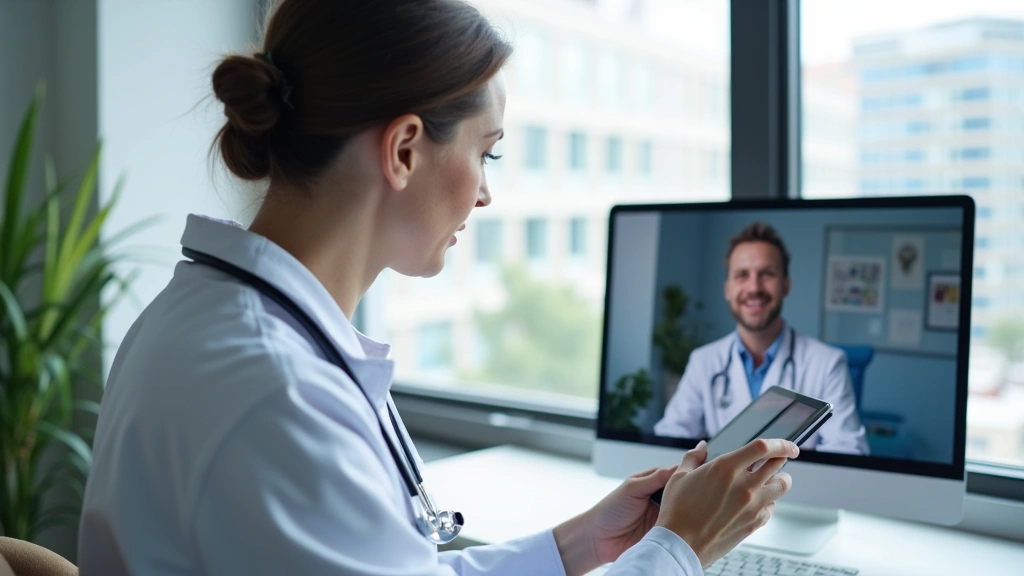
What is Scripps Health Express and How Does It Work?
Scripps Health Express represents a modern approach to urgent healthcare delivery in Southern California. As part of the Scripps Health network, one of the region’s largest healthcare systems, this service combines physical urgent care centers with digital telehealth capabilities to meet patients where they are—whether at home or in need of immediate in-person evaluation.
The service addresses a critical gap in healthcare access by providing an intermediate option between routine primary care visits and expensive emergency room treatments. This dual-model approach has become increasingly popular as patients seek faster care without the costs and wait times associated with hospital emergency departments.
What Types of Medical Conditions Does Scripps Health Express Treat?
Scripps Health Express specializes in acute but non-life-threatening conditions that require prompt medical attention. Common conditions treated include respiratory infections, urinary tract infections, minor fractures, lacerations requiring stitches, allergic reactions, and gastrointestinal issues. The service also provides vaccinations, physicals for work or school, and minor wound care.
How Do I Access Scripps Health Express Telehealth Services?
The digital platform makes healthcare more accessible. Patients can download the Scripps Health app or visit the website to request a virtual consultation. The process is straightforward: create an account, describe your symptoms, and connect with an available provider via video. This approach aligns with broader trends in online medical consultations that prioritize convenience and speed.
What Are the Locations and Hours of Scripps Health Express Urgent Care Centers?
Scripps Health Express maintains numerous urgent care centers across San Diego, including locations in major areas like La Jolla, Encinitas, and downtown San Diego. Most centers operate from 8 AM to 8 PM on weekdays and 9 AM to 5 PM on weekends, though hours vary by location. This extended availability makes urgent care accessible outside traditional office hours.
How Much Does Scripps Health Express Cost Compared to an Emergency Room?
The cost difference is substantial. An emergency room visit for a minor condition can cost $1,000-$3,000 before insurance, while Scripps Health Express typically charges $150-$400 for the same visit. Telehealth visits are even more affordable, often ranging from $50-$150. This pricing transparency and affordability make it an attractive alternative for patients seeking care without financial burden.
Does Scripps Health Express Accept Insurance and Payment Options?
Insurance acceptance includes Medicare, Medicaid, and private plans from major carriers. For uninsured patients, Scripps offers clear pricing upfront with payment plans available. This flexibility ensures access regardless of insurance status, similar to other online doctor visit options without insurance.
What Is the Wait Time at Scripps Health Express Compared to Emergency Rooms?
Wait time efficiency is a major advantage. Emergency departments prioritize by severity, meaning minor conditions often wait hours. Scripps Health Express, designed specifically for non-emergencies, moves patients through quickly. Telehealth visits are even faster, often connecting patients with providers within minutes.
Can I Use Scripps Health Express for Follow-Up Care or Prescription Refills?
Continuity of care is supported through the integrated Scripps Health system. Providers can access your medical history, issue prescriptions, and refer you to specialists when needed. This comprehensive approach ensures your urgent care experience connects seamlessly with ongoing treatment.
Frequently Asked Questions
Is Scripps Health Express available 24/7?
For true 24/7 access, telehealth options like MDLive online doctor services offer round-the-clock availability as alternatives.
Can I schedule an appointment in advance at Scripps Health Express?
This flexibility allows you to plan ahead or seek immediate care as needed, making it adaptable to different healthcare situations.
What happens if my condition requires emergency care?
Safety is paramount—providers are trained to recognize serious conditions and ensure appropriate escalation of care when necessary.