

What Constitutes an Ideal Home Health Setup?
Home health care has transformed how millions of patients manage their health conditions, recover from surgeries, and age in place. Unlike traditional facility-based care, an ideal home health setup recognizes that the patient’s own environment—when properly equipped and supported—can be as effective as institutional settings. Creating this environment requires thoughtful planning across multiple dimensions: physical modifications, medical equipment, professional support, and technology solutions.
The foundation of excellent home health care rests on understanding that each patient’s needs are unique. A post-surgical patient requires different equipment and support than someone managing diabetes or heart disease at home. However, certain universal principles apply across all ideal home health setups: accessibility, safety, professional oversight, and caregiver empowerment.
What are the essential medical equipment and supplies needed for home health care?
The specific medical equipment needed varies by diagnosis, but foundational items typically include adjustable hospital beds for comfort and pressure relief, mobility aids like walkers or wheelchairs, and vital sign monitoring devices. For patients requiring specialized care, equipment may include oxygen concentrators, CPAP machines, infusion pumps, or catheter supplies. A Hospital at Home model often includes the most comprehensive equipment arrays to replicate acute care capabilities in residential settings.
How should a home be modified for safety and accessibility in home health situations?
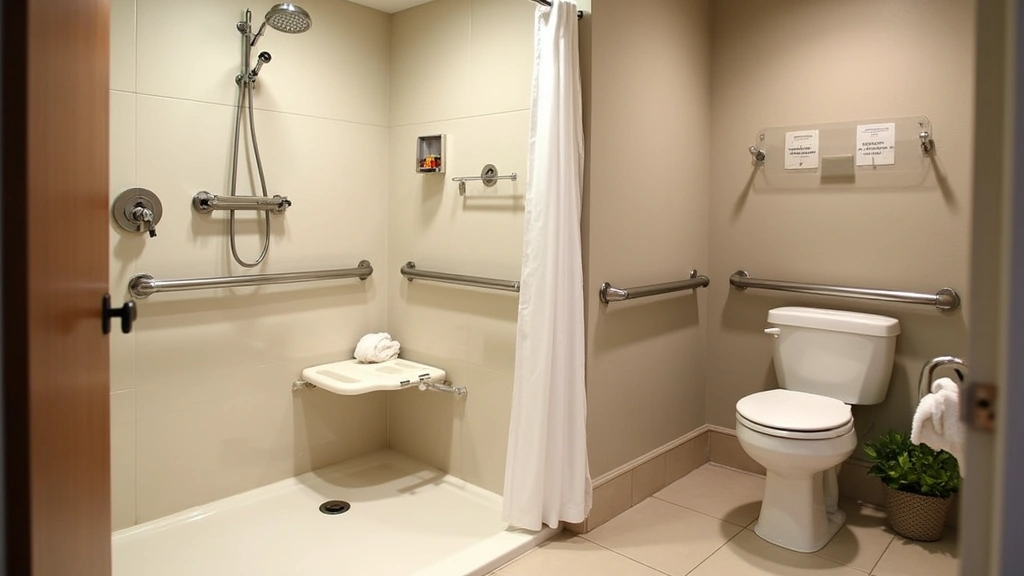
Physical home modifications prevent falls and injuries while promoting independence. Bathrooms require grab bars, shower chairs, and accessible showers. Bedrooms should have nightlights and clear pathways. Stairs may need ramps or stair lifts. These modifications range from simple ($500-$2,000) to comprehensive renovations ($10,000+) depending on the home’s current condition and patient mobility levels.
What role does caregiver training and support play in ideal home health?
Family caregivers form the backbone of home health care. Formal training in safe patient lifting, wound care, medication administration, and recognizing warning signs dramatically improves outcomes. Respite care—temporary professional coverage—prevents caregiver burnout and ensures consistent quality care.
What technology solutions improve home health care delivery and monitoring?
Digital health solutions connect patients with providers through online doctor visits, monitor vital signs automatically, and send alerts when concerning changes occur. These technologies reduce hospital readmissions by 30% according to recent studies.

How do ideal home health services integrate professional healthcare providers?
Professional oversight distinguishes quality home health from informal caregiving. Nurses conduct assessments, manage medications, and coordinate with physicians. Physical therapists restore mobility. Care coordinators ensure all team members communicate effectively. This integrated approach, supported by regulated healthcare technology, prevents complications and optimizes recovery.
What costs are associated with setting up ideal home health care?
Initial setup costs include home modifications, equipment purchases, and professional assessments. Ongoing costs cover nursing visits ($150-$250 per visit), therapy services, and medication management. Medicare covers many home health services for qualified patients, while private insurance coverage varies significantly.
How does ideal home health compare to assisted living or nursing facilities?
Home health enables aging in place and preserves patient autonomy, but demands significant family commitment. Facilities provide continuous professional oversight and social engagement but reduce independence. The ideal choice depends on patient acuity, family availability, and personal preferences.
Frequently Asked Questions
Is home health care covered by Medicare?
Coverage requires physician orders, homebound status, and skilled care needs. Check with Medicare.gov for current eligibility requirements and covered services.
How long does it take to set up ideal home health care?
Starting early with wellness planning prevents rushed decisions and ensures quality implementation.
What qualifications should home health caregivers have?
Licensed professionals like nurses and therapists bring specialized expertise, while certified nursing assistants provide daily support under professional supervision. Proper credentials ensure safety and quality care standards.