

What is AFC Telehealth and What Services Does It Provide?
AFC Telehealth is a telehealth platform offering virtual medical consultations and healthcare services through licensed providers, enabling patients to access care remotely for urgent care, chronic disease management, and preventive health services. As part of the AFC (Urgent Care) network, the telehealth division extends the reach of physical urgent care clinics into the digital space. This hybrid model combines the accessibility of online consultations with the option to visit brick-and-mortar locations when needed. AFC Telehealth serves patients seeking convenient, affordable alternatives to emergency rooms and traditional office visits for non-emergency medical concerns.
The platform operates across most U.S. states with licensed physicians, nurse practitioners, and physician assistants available for consultations. Patients can connect with providers via video, phone, or secure messaging without scheduling weeks in advance. This approach addresses a critical gap in healthcare accessibility, particularly for working professionals, rural patients, and those without established primary care relationships.
What Types of Medical Conditions Can AFC Telehealth Treat?
AFC Telehealth addresses acute illnesses, chronic conditions, mental health concerns, and preventive care through virtual consultations with licensed physicians and specialists. Common treatable conditions include cold and flu symptoms, urinary tract infections, skin rashes, sore throats, and minor injuries. The platform also manages ongoing conditions like hypertension, diabetes, and asthma through follow-up consultations and medication refills.
Mental health services are increasingly available through AFC Telehealth, with providers offering counseling for anxiety, depression, and stress management. Preventive care visits include annual physicals, medication reviews, and health screenings. However, conditions requiring physical examination, imaging, or laboratory work may need referral to in-person facilities or specialists.
How Does AFC Telehealth Compare to Other Telehealth Providers?
AFC Telehealth differentiates itself through its network of physical urgent care clinics, extended hours, quick appointment availability, and integration with in-person locations for hybrid care delivery. Unlike standalone telehealth apps, AFC’s connection to physical facilities allows seamless referrals for patients needing lab work, X-rays, or in-person evaluation. This integrated model provides continuity of care that many competitors cannot match.
The platform typically offers faster appointment times than traditional primary care offices and maintains competitive pricing compared to video doctor visits through other providers. Extended hours and weekend availability make AFC Telehealth accessible for working patients and parents managing family health needs.
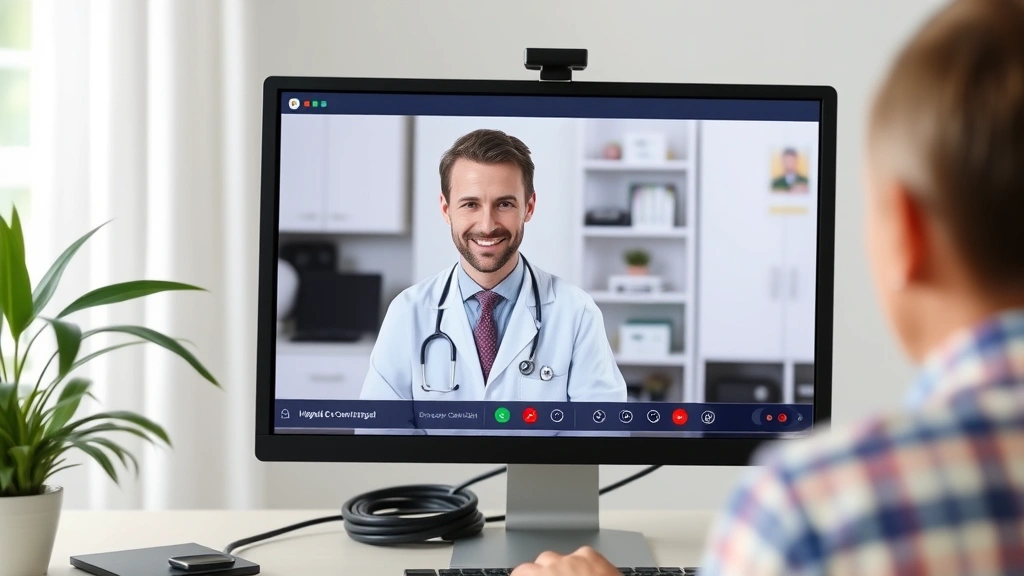
” alt=”Patient using telehealth app on tablet for virtual medical consultation”/>
What Are the Costs and Insurance Coverage Options for AFC Telehealth?
AFC Telehealth accepts most major insurance plans including Medicare, Medicaid, and commercial insurers, with copays typically ranging from $20-$50 for insured patients. Self-pay patients without insurance can expect $99-$199 per virtual visit depending on consultation complexity and provider type. Transparent pricing is displayed upfront, allowing patients to make informed decisions before scheduling.
Many visits are eligible for flexible payment plans or health savings account (HSA) reimbursement. The platform’s affordability positions it as a cost-effective alternative to emergency room visits, which can cost $1,000-$3,000 for non-emergency conditions.
How Do You Schedule and Access an AFC Telehealth Appointment?
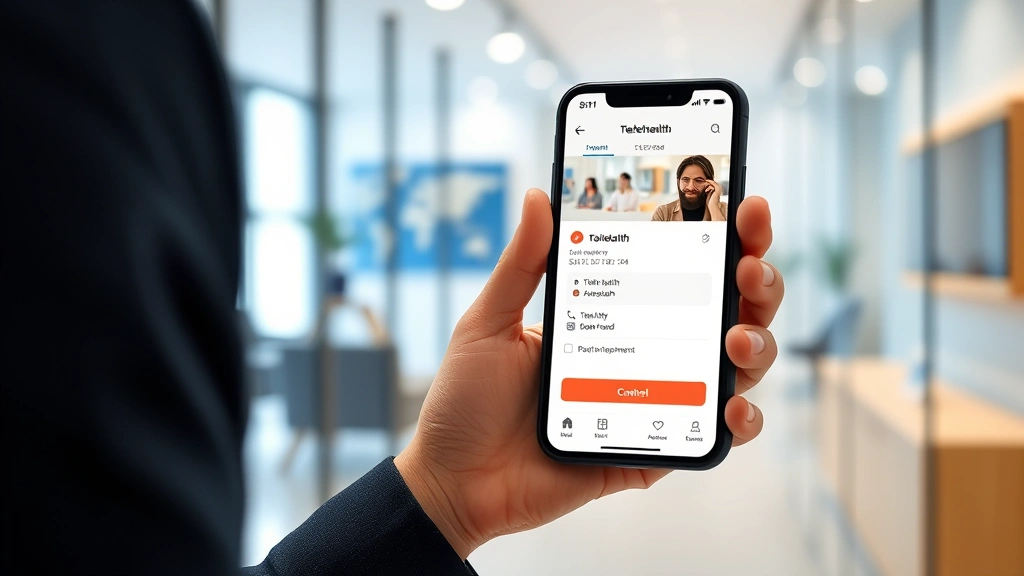
Patients can book appointments through the AFC Telehealth website or mobile app, with most visits available within 24 hours via video, phone, or secure messaging with licensed providers. The booking process requires basic health information and description of symptoms. After scheduling, patients receive confirmation via email or text with login instructions for their chosen communication method.
The mobile app enables patients to upload photos of rashes or injuries, attach medical records, and access visit summaries and prescriptions digitally. This streamlined approach reduces friction and supports telehealth triage efficiency.
” alt=”Doctor on video call with patient using secure HIPAA-compliant telehealth platform”/>
What Technology and Security Measures Does AFC Telehealth Use?
AFC Telehealth uses HIPAA-compliant platforms with encrypted video conferencing, secure patient portals, and electronic health records integration to protect patient privacy and data. All communications are encrypted end-to-end, and patient records are stored on secure, audited servers. The platform undergoes regular security assessments to maintain compliance with federal healthcare privacy regulations.
Integration with major EHR systems ensures that visit notes, prescriptions, and medical history are accessible to other providers in the patient’s care network when authorized. This interoperability supports better clinical decision-making and continuity of care across healthcare telehealth settings.
Is AFC Telehealth Available in All States?
AFC Telehealth operates in most U.S. states with licensed providers, though availability varies by state due to regulatory requirements and licensure restrictions for certain services. Some states impose stricter requirements for telemedicine, including mandatory in-person initial visits or limitations on prescription authority. Patients can check state-specific availability through the platform’s website during registration.
Interstate licensure for providers remains a regulatory challenge, but AFC maintains relationships with licensed practitioners across multiple states to maximize coverage. Rural and underserved areas may have more limited specialist availability compared to urban regions.
What Are the Advantages and Disadvantages of Using AFC Telehealth?
Advantages include convenience, quick access, lower costs, and elimination of travel time. Patients avoid waiting rooms, reduce exposure to contagious illnesses, and access care from home. The platform is ideal for minor acute illnesses, medication refills, and follow-up consultations. Prescription capabilities allow providers to send medications directly to local pharmacies.
Disadvantages include inability to perform comprehensive physical exams and potential limitations for complex conditions requiring imaging or in-person evaluation. Some insurance plans may not cover telehealth visits, and certain medications cannot be prescribed remotely due to regulatory restrictions. Patients with severe symptoms or emergency conditions should seek in-person emergency care rather than relying on telehealth.
Frequently Asked Questions
Can AFC Telehealth Prescribe Medications?
Yes, AFC Telehealth providers can prescribe most common medications for acute and chronic conditions. Prescriptions are sent electronically to patient-selected pharmacies. Controlled substances have restrictions based on state regulations and DEA requirements, typically requiring in-person evaluation for initial prescriptions.
Do I Need a Primary Care Doctor to Use AFC Telehealth?
No, AFC Telehealth welcomes patients without established primary care relationships. The platform is designed for patients seeking convenient access to healthcare without long-term commitments. However, continuity of care improves when providers have access to complete medical history.
What Happens if AFC Telehealth Cannot Help My Condition?
If a condition requires in-person evaluation, imaging, or specialist care, AFC Telehealth providers will refer patients to appropriate urgent care locations, emergency departments, or specialists. The integrated network makes these referrals seamless, and patients can often schedule follow-up appointments at physical AFC locations immediately.