
What Is the Best Green Tea for Health Benefits?
Green tea has been consumed for centuries in Asian cultures and is now recognized by modern science as one of the most nutrient-dense beverages available. With hundreds of varieties and brands on the market, choosing the right green tea can feel overwhelming. Understanding the differences between types, processing methods, and quality grades helps you select the tea that best matches your health objectives.
The key to maximizing green tea’s health benefits lies in understanding what makes certain varieties superior. Factors like leaf processing, harvest timing, growing conditions, and storage all significantly impact the concentration of beneficial compounds in your cup.
What Are the Main Health Benefits of Green Tea?
Green tea’s primary health compounds are catechins, a type of polyphenol antioxidant. Research shows that catechins help reduce oxidative stress, support cardiovascular function, and may enhance fat oxidation. A study published by the National Institutes of Health found that regular green tea consumption was associated with improved cholesterol levels and reduced heart disease risk. Additionally, the L-theanine amino acid in green tea promotes relaxation and mental clarity without the jitters associated with coffee.
What’s the Difference Between Matcha, Sencha, and Other Green Tea Varieties?
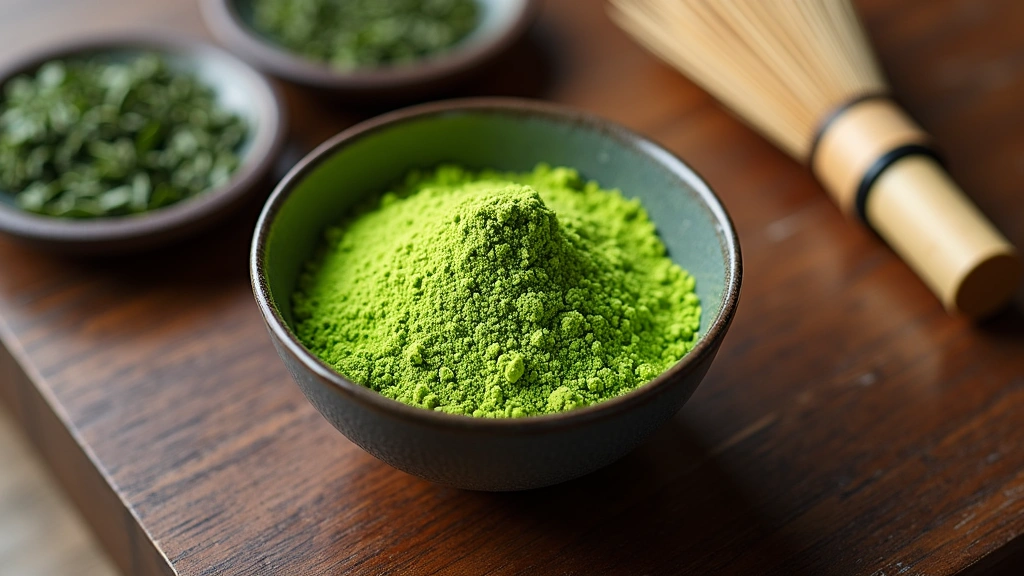
Matcha stands out because you consume the entire leaf as a powder, delivering 100% of the leaf’s nutrients. Sencha, Japan’s most popular green tea, is steeped traditionally and offers a balanced profile of catechins and L-theanine. Gyokuro, a premium shade-grown variety, develops higher amino acid concentrations due to reduced sunlight exposure. Chinese green teas like dragonwell offer different flavor profiles but similar antioxidant benefits. For mental clarity and sustained focus, matcha provides the most concentrated dose.
How Much Green Tea Should You Drink Daily for Health Benefits?
Clinical research consistently demonstrates that 2-3 cups daily provides measurable health benefits without excessive caffeine intake. This amount delivers approximately 200-300mg of catechins, the therapeutic threshold identified in multiple studies. Individual tolerance varies based on caffeine sensitivity, medications, and overall health status.
Is Loose-Leaf Green Tea Better Than Tea Bags?
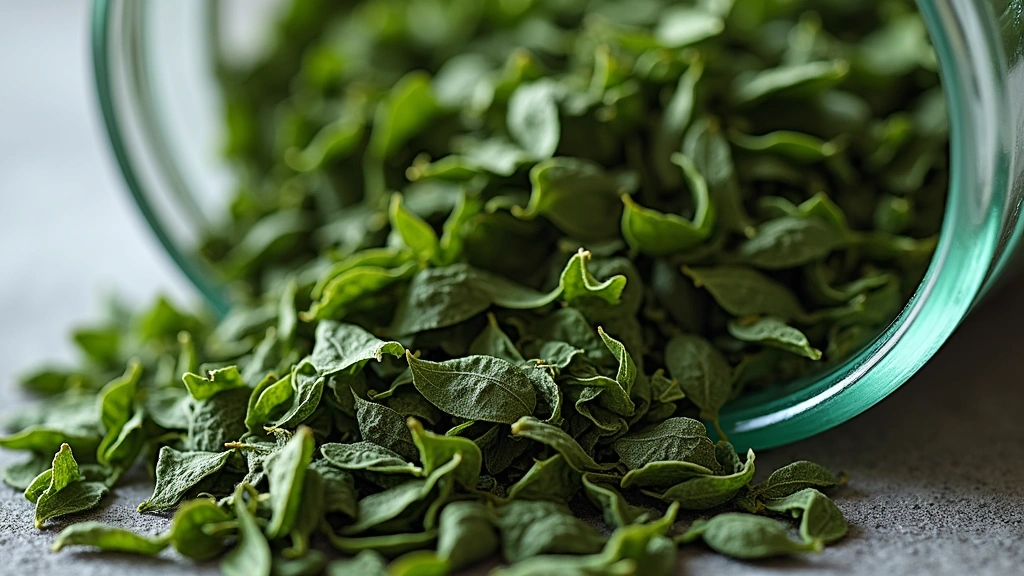
Loose-leaf green tea consistently outperforms tea bags in catechin concentration. Whole leaves retain more volatile compounds and antioxidants compared to the fragmented material in bags. Tea bag dust and broken leaves have increased surface area, causing faster oxidation and nutrient loss. Premium loose-leaf varieties maintain superior flavor and efficacy, making them the preferred choice for optimal health outcomes.
What Should You Look for When Buying Green Tea?
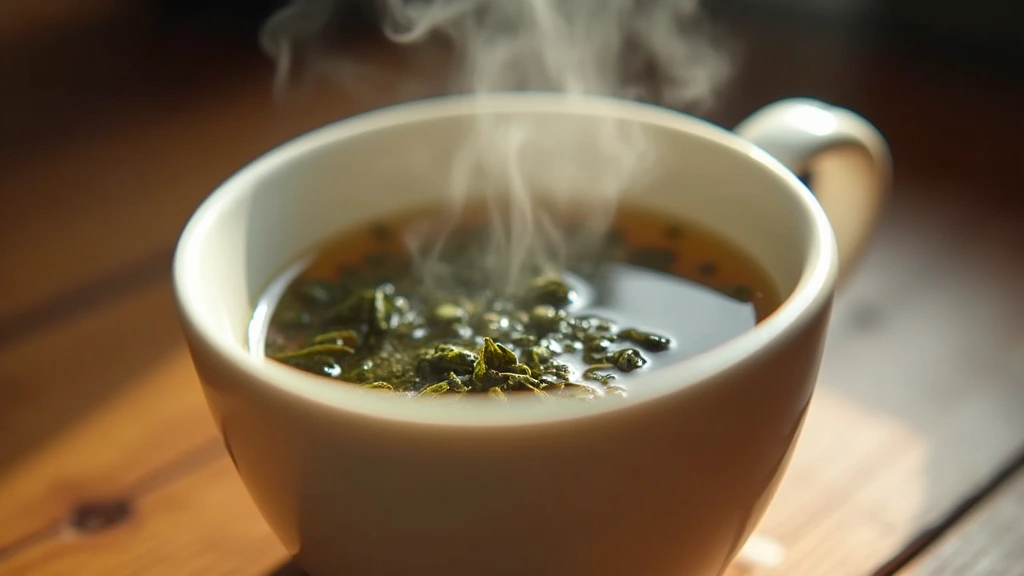
Look for certification labels indicating organic cultivation and minimal processing. First-flush harvests (spring) contain higher nutrient concentrations than later harvests. Vibrant green color indicates proper storage and freshness. Avoid varieties with added flavors, sweeteners, or fillers that dilute the tea’s health benefits. Purchase from reputable suppliers with transparent sourcing information.
Are There Any Health Risks or Side Effects?
While green tea is safe for most adults, consuming more than 8 cups daily may cause anxiety, insomnia, or digestive issues due to caffeine and catechin content. Green tea can reduce iron absorption when consumed with meals, so separate consumption by 2+ hours for optimal mineral absorption. Consult your healthcare provider if taking medications, as green tea may interact with blood thinners and certain psychiatric medications. The FDA considers green tea safe for regular consumption in moderate amounts.
Frequently Asked Questions
Which green tea has the highest antioxidant content?
Matcha’s powdered form ensures 100% leaf consumption, delivering significantly more catechins per serving than steeped varieties.
Can green tea help with weight loss?
Studies show catechins increase fat burning during moderate exercise, but green tea alone isn’t a weight loss solution.
Is it better to drink green tea hot or cold?
Proper water temperature (160-180°F) and steeping time (2-3 minutes) matter more than serving temperature for maximizing health benefits.