

Best Telehealth for Weight Loss: Top Services Compared
Telehealth weight loss services have revolutionized how people access professional weight management support. With obesity affecting over 40% of American adults, according to the CDC, these platforms provide convenient, affordable alternatives to traditional clinics. Whether you’re seeking prescription medications, behavioral coaching, or comprehensive programs, understanding your options helps you select the right fit for your goals and lifestyle.
What Are the Top-Rated Telehealth Platforms for Weight Loss?
Ro stands out for medication-based weight loss, offering GLP-1 agonists like semaglutide with physician oversight. Noom uses behavioral psychology through its app, focusing on habit formation rather than medication. Calibrate specializes exclusively in medical weight loss with tirzepatide and semaglutide, providing ongoing clinical monitoring. Teladoc offers comprehensive telehealth including weight management programs through partnerships with leading clinics. Each platform has distinct user bases—Ro appeals to those seeking quick medication access, while Noom attracts behavior-change focused individuals.
How Do Telehealth Weight Loss Programs Compare to Traditional In-Person Clinics?
Telehealth eliminates travel time and waiting rooms, making regular consultations more feasible. Costs typically run 40-60% lower than traditional clinics. However, in-person visits allow providers to assess body composition, perform physical exams, and adjust treatment immediately. Many patients benefit from hybrid approaches—initial in-person evaluation followed by telehealth follow-ups through an online doctor appointment for convenience.
What Are the Costs and Insurance Coverage for Telehealth Weight Loss?
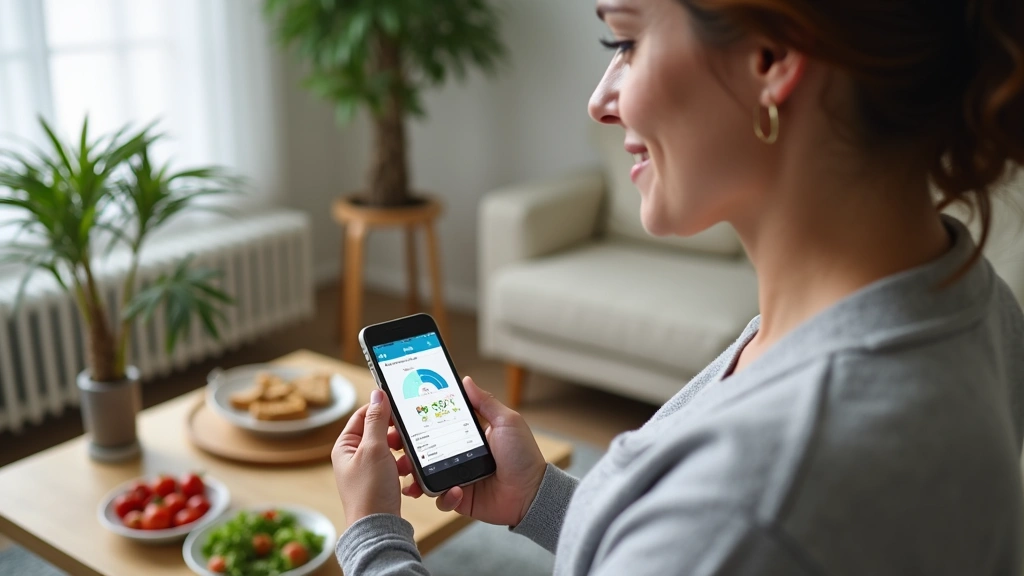
Noom costs approximately $60 monthly for the app-based program. Ro’s medication services start around $199 monthly plus medication costs. Calibrate runs $300+ monthly for comprehensive medical supervision. Many insurance plans cover online prescriptions for FDA-approved weight loss medications when medically necessary, but behavioral apps are rarely covered. Always verify with your insurance provider before enrolling.
What Treatment Options Do Telehealth Weight Loss Services Offer?
GLP-1 agonists have become the gold standard, helping patients lose 15-22% of body weight on average. Traditional appetite suppressants like phentermine remain available through weight loss doctor online consultations. Behavioral programs teach sustainable eating habits and lifestyle changes. Most comprehensive services combine medication with coaching for optimal results.
How Effective Are Telehealth Weight Loss Programs?
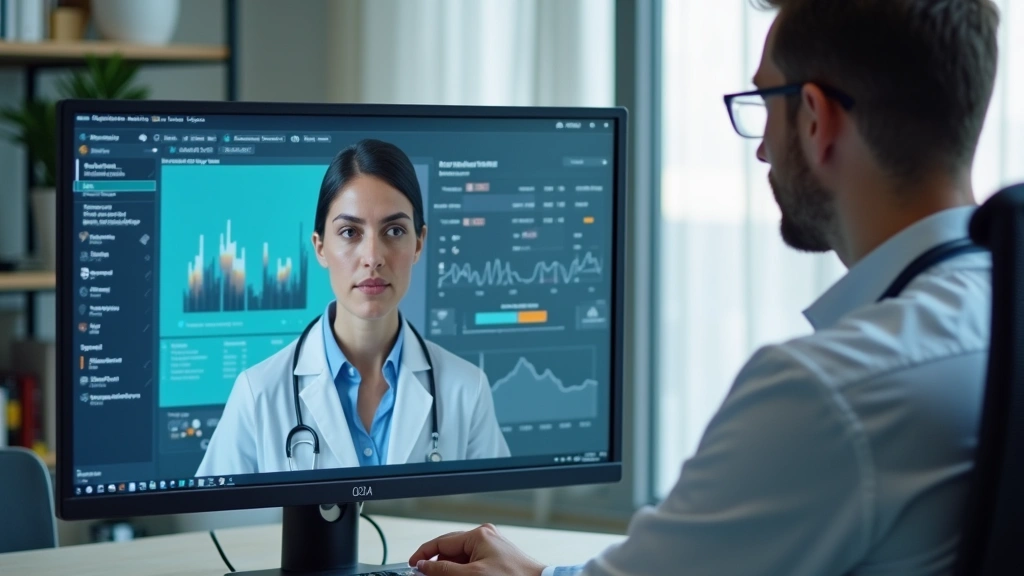
Clinical trials demonstrate GLP-1 medications produce significant, sustained weight loss. Noom’s research shows 78% of users lose weight within six months. Success requires consistent engagement—medication alone without behavioral changes yields limited long-term results. Remote patient monitoring helps providers track progress and adjust treatment plans accordingly.
Frequently Asked Questions
Are telehealth weight loss medications safe?
Reputable providers conduct comprehensive health assessments before prescribing. GLP-1 medications have been used safely for diabetes for decades. However, telehealth providers cannot perform physical exams, potentially missing contraindications that in-person doctors would catch.
Can I get weight loss medication through telehealth without a prescription history?
Providers evaluate your BMI, medical history, and current medications during your first visit. Approval typically happens within 24-48 hours if you meet medical criteria.
What happens if telehealth weight loss medications stop working?
Most telehealth platforms offer regular follow-up consultations to address plateaus. Switching between GLP-1 medications or combining approaches often restarts progress. Consulting trusted telehealth providers ensures professional oversight throughout your weight loss journey.