
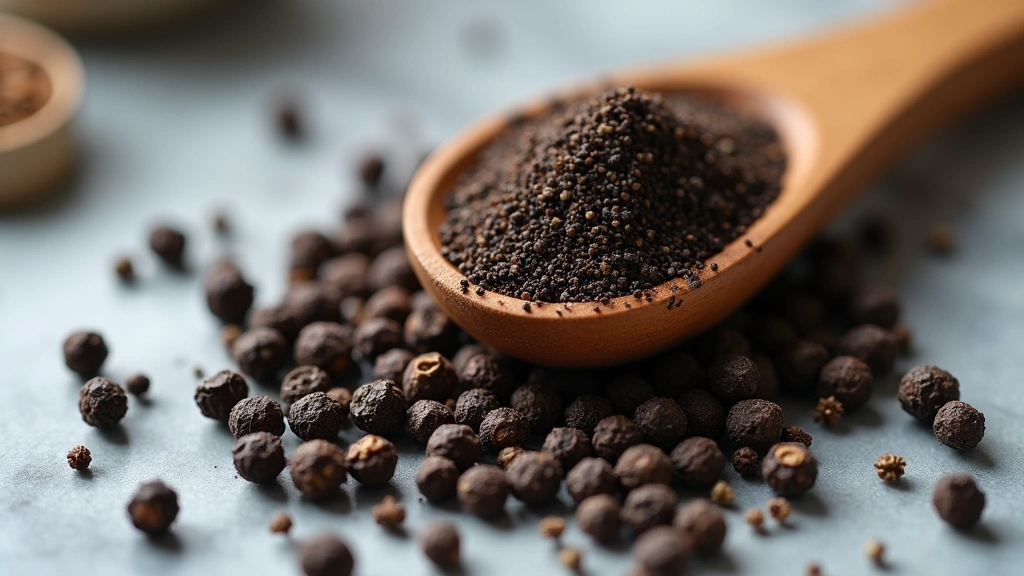
What Are the Health Benefits of Black Pepper?
Black pepper, one of the world’s most widely used spices, has been valued for centuries in traditional medicine systems. Modern research is now validating many of these traditional uses, revealing that this humble kitchen staple offers measurable health benefits backed by scientific evidence. Understanding how black pepper works in your body can help you maximize its potential while using it safely.
The key to black pepper’s health benefits lies in its bioactive compounds, particularly piperine, which comprises about 5-10% of black pepper by weight. This compound interacts with your digestive system and body chemistry in ways that extend far beyond simply adding flavor to your meals.
What is piperine and how does it work in the body?
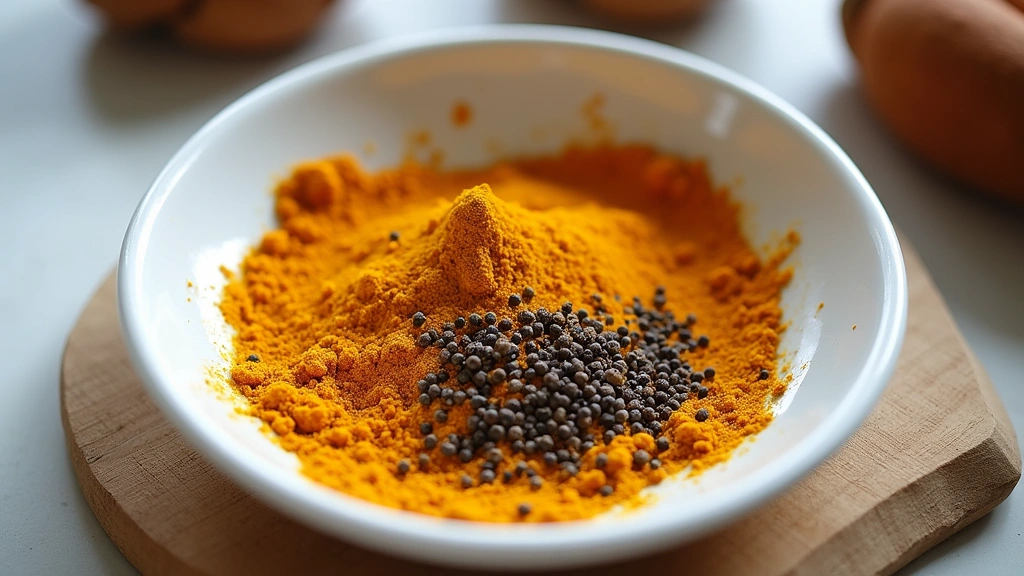
Piperine works by increasing the permeability of your intestinal cells, allowing nutrients to be absorbed more efficiently into your bloodstream. This mechanism is why black pepper is often combined with turmeric in supplements—piperine can increase curcumin absorption by up to 2000%. Beyond absorption enhancement, piperine activates pain receptors and heat-sensing pathways in your body, triggering beneficial metabolic responses.
How does black pepper improve digestion and nutrient absorption?
Black pepper stimulates the release of digestive juices and increases hydrochloric acid in your stomach, which helps break down proteins and other nutrients more effectively. This enhanced digestive function means your body can extract more nutritional value from the foods you eat. If you’re interested in optimizing your nutritional health, speaking with a healthcare provider through online doctor visits can provide personalized dietary guidance.
What are the antioxidant and anti-inflammatory effects of black pepper?
Black pepper contains powerful antioxidants that combat oxidative stress, a key factor in aging and chronic disease development. Research published in scientific journals shows that piperine can reduce inflammatory cytokines, making it potentially beneficial for various health conditions related to inflammation.
Can black pepper help with weight management and metabolism?
While black pepper isn’t a weight loss miracle, research indicates that piperine can increase heat production in your body (thermogenesis) and may boost metabolism by 3-5%. This effect is most pronounced when combined with regular exercise and a balanced diet. The spice may also enhance the bioavailability of other metabolism-supporting nutrients.

Are there any side effects or safety concerns with consuming black pepper?
Culinary amounts of black pepper are generally recognized as safe by the FDA. However, high-dose supplements may cause stomach irritation, interact with blood thinners, or affect medication absorption. If you take medications regularly, telemedicine consultations can help you determine safe black pepper intake for your situation.
How much black pepper should you consume daily for health benefits?
For general health benefits, simply using black pepper regularly in your cooking provides measurable amounts of piperine. Studies showing significant benefits typically used 5-20mg of piperine daily, which equals about 1/4 to 1/2 teaspoon of ground black pepper. Always start with culinary amounts and consult healthcare providers before using concentrated supplements.
Frequently Asked Questions
Does black pepper interact with medications?
If you’re on prescription medications, discuss black pepper supplementation with your doctor before starting. Culinary amounts are typically safe, but supplements require professional guidance.
Can black pepper help with brain health and cognitive function?
Animal studies show promise for cognitive benefits, but human clinical trials are limited. The anti-inflammatory effects may support overall brain health when combined with other healthy lifestyle practices.
Is fresh or ground black pepper more beneficial?
Ground pepper loses potency over time due to oxidation. For maximum benefits, grind whole peppercorns fresh and use immediately. Store whole peppercorns in a cool, dark place for longer shelf life and better preservation of active compounds.