
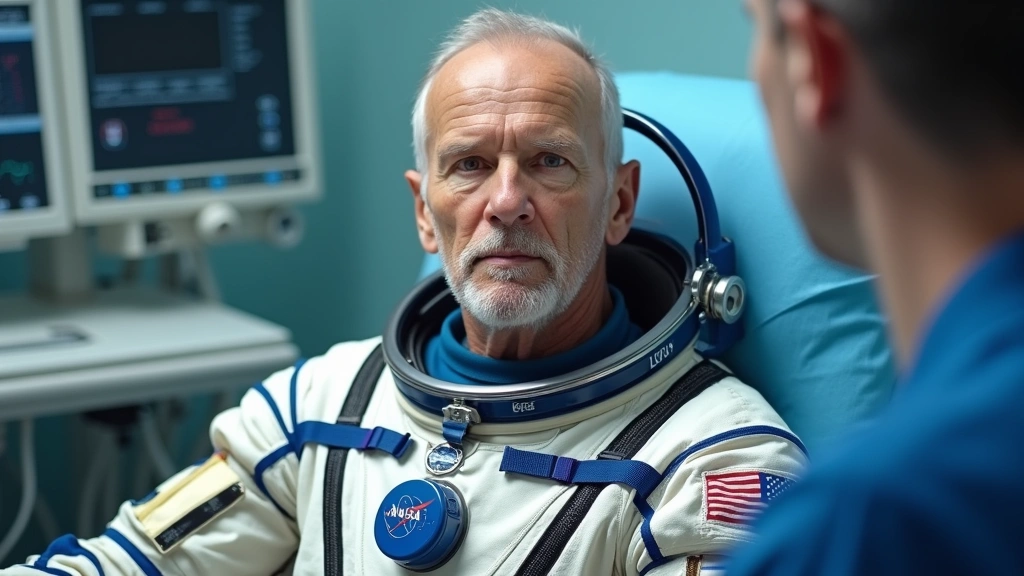
Who is Captain James A. Lovell and What is His Connection to Federal Health?
Captain James A. Lovell Jr. represents one of America’s most celebrated space explorers, whose career spanned critical decades of human spaceflight. Born in 1928, Lovell flew four space missions between 1965 and 1970, accumulating 715 hours in space—a remarkable achievement for his era. His most famous mission, Apollo 13, became a defining moment in space exploration history and demonstrated extraordinary resilience under extreme pressure.
The connection between Lovell and federal health initiatives stems primarily from his participation in NASA’s rigorous medical research programs and his subsequent involvement in health advocacy. As an astronaut, Lovell was subject to intensive medical monitoring and contributed valuable data to understanding human physiology in space environments—research that continues to inform federal space medicine programs today.
Who is Captain James A. Lovell and What Are His Major Accomplishments?
Lovell’s astronaut career included Gemini 7 (1965), Gemini 12 (1966), Apollo 8 (1968), and Apollo 13 (1970). His Apollo 8 mission made him one of the first humans to orbit the Moon. During Apollo 13, when an oxygen tank explosion threatened the crew’s survival, Lovell’s leadership and calm decision-making were instrumental in bringing the mission safely home. This crisis became a defining moment in NASA’s history and demonstrated the critical importance of medical preparedness and human resilience in extreme conditions.
What Federal Health Organizations Has Captain Lovell Been Involved With?
As a NASA astronaut, Lovell was embedded in the agency’s comprehensive medical and health monitoring systems. NASA’s space medicine program, part of federal health research infrastructure, studied how human bodies respond to microgravity, radiation exposure, and extreme stress. Lovell’s participation in this research contributed valuable data that remains relevant to modern healthcare digital transformation and remote patient monitoring technologies.
Did Captain Lovell Work With NASA’s Health and Medical Research Programs?
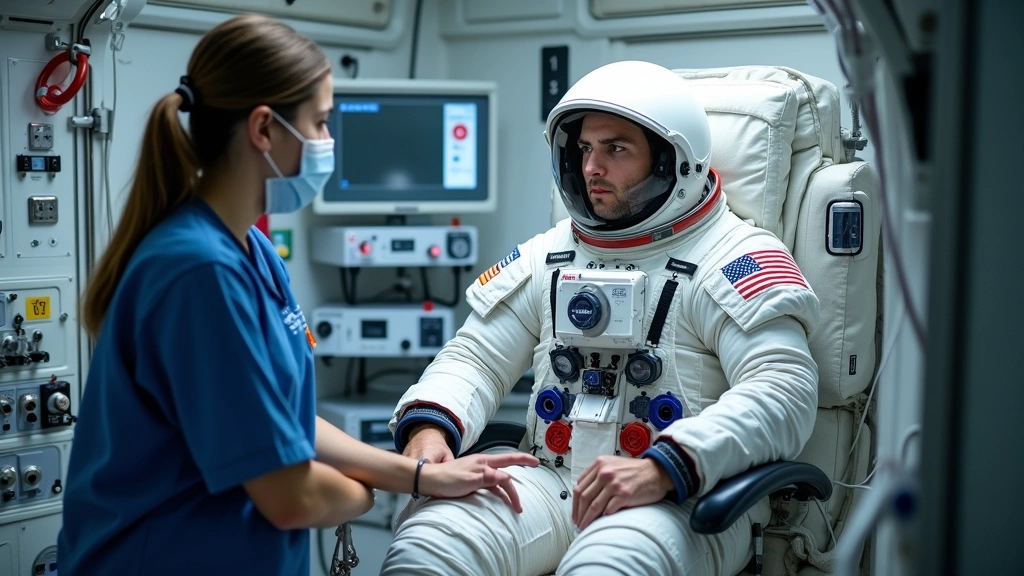
NASA’s astronaut medical program required continuous health assessments throughout Lovell’s career. These protocols included stress testing, radiation exposure monitoring, and detailed physiological measurements. The data collected from astronauts like Lovell contributed to federal understanding of human adaptation to extreme environments and informed development of virtual doctor visits and remote health monitoring systems used in modern healthcare.

What Health Challenges Did Captain Lovell Face During His Astronaut Career?
During Apollo 13, Lovell faced extraordinary physical and psychological stress. The oxygen tank explosion created a life-threatening situation requiring careful management of the spacecraft’s life support systems and the crew’s health status. This crisis became a case study in federal emergency medicine and crisis management, influencing how NASA and other federal agencies approach health emergency preparedness and healthcare cybersecurity protocols for critical systems.
Has Captain Lovell Been Involved in Healthcare Advocacy or Public Health Initiatives?
Post-retirement, Lovell became an author, speaker, and public advocate for space exploration and STEM education. His autobiography and continued public appearances promote understanding of human resilience and health management under pressure. These educational initiatives indirectly support federal health promotion goals by inspiring interest in scientific careers and health-related research. His work has influenced discussions about hospital at home models and remote health management—technologies that echo the remote monitoring systems used during his space missions.
What is the Connection Between Captain Lovell’s Space Missions and Federal Health Research?
The physiological data collected during Lovell’s missions—including cardiovascular responses, bone loss patterns, and radiation exposure effects—remains foundational to federal space medicine research. This information has applications in understanding aging, muscle atrophy, and cardiovascular health. NASA’s research programs continue utilizing data from astronauts like Lovell to develop health interventions applicable to Earth-based medicine, including treatments for osteoporosis and cardiovascular disease. His contributions represent a significant intersection of space exploration and federal health research advancement.
Frequently Asked Questions
Is Captain Lovell still alive and active in public life?
Lovell continues engaging with audiences worldwide through speaking engagements, books, and documentaries about his space exploration experiences and the lessons learned from Apollo 13.
How did Apollo 13’s medical crisis influence federal health emergency protocols?
NASA’s response to Apollo 13 established benchmarks for emergency decision-making and health crisis management that continue informing federal healthcare emergency preparedness programs.
What specific health research did Lovell contribute to at NASA?
This research remains relevant to federal health initiatives studying aging, bone health, and cardiovascular disease prevention, with applications to EHR AI integration in modern health monitoring systems.