
Best Cat Food for Urinary Health: Prescription & OTC Options
Urinary tract disease affects millions of cats annually, with diet playing a crucial role in prevention and management. The right food can significantly reduce your cat’s risk of developing painful crystals, inflammation, and blockages that require emergency veterinary care.
What Causes Urinary Problems in Cats and Why Does Diet Matter?
Feline Lower Urinary Tract Disease (FLUTD) develops when minerals like magnesium and phosphorus accumulate in urine, forming painful crystals. Diet directly influences urine concentration, mineral levels, and pH—the three critical factors in crystal prevention. Cats with low water intake are especially vulnerable, making moisture-rich foods essential.
What Are the Key Ingredients to Look for in Urinary Health Cat Food?
High-quality urinary health formulas limit magnesium to under 0.1% on a dry matter basis—a critical threshold for preventing struvite crystals. Increased moisture content (70-80% in wet food) dilutes urine, reducing mineral concentration. Added fiber and specific amino acids help maintain optimal pH levels. Look for foods listing high-quality proteins and avoiding excessive mineral-rich fillers.
What Is the Difference Between Prescription and Over-the-Counter Urinary Cat Foods?
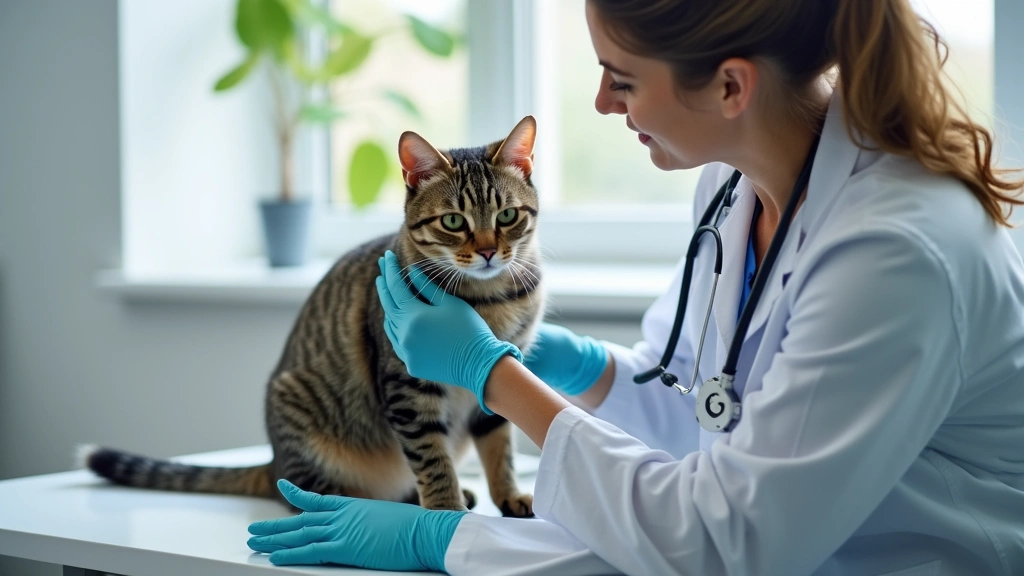
Prescription urinary diets undergo clinical testing and contain therapeutic mineral ratios designed to dissolve existing crystals and prevent recurrence. Over-the-counter urinary foods offer preventive formulation with controlled minerals but less stringent therapeutic specifications. Your veterinarian should recommend prescription options if your cat has diagnosed FLUTD or recurrent urinary issues.
How Much Does Prescription Urinary Cat Food Cost?
Cost varies by brand and formulation, but prescription diets command premium pricing due to clinical research and stricter quality control. Many pet owners find the investment justified when preventing costly emergency veterinary visits for urinary blockages, which can exceed $1,000-3,000 in treatment costs.
Should I Feed Wet Food or Dry Food for Urinary Health?
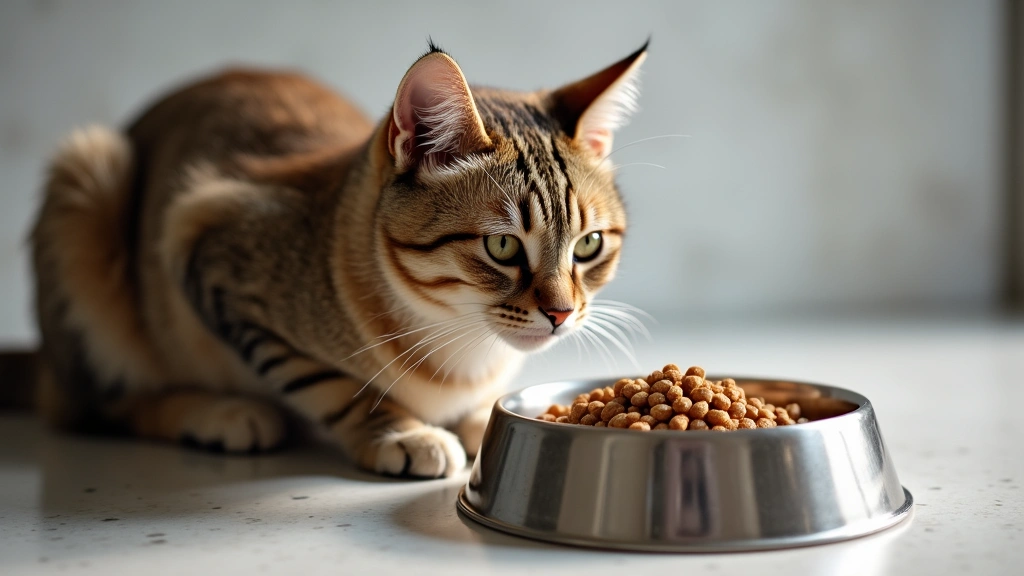
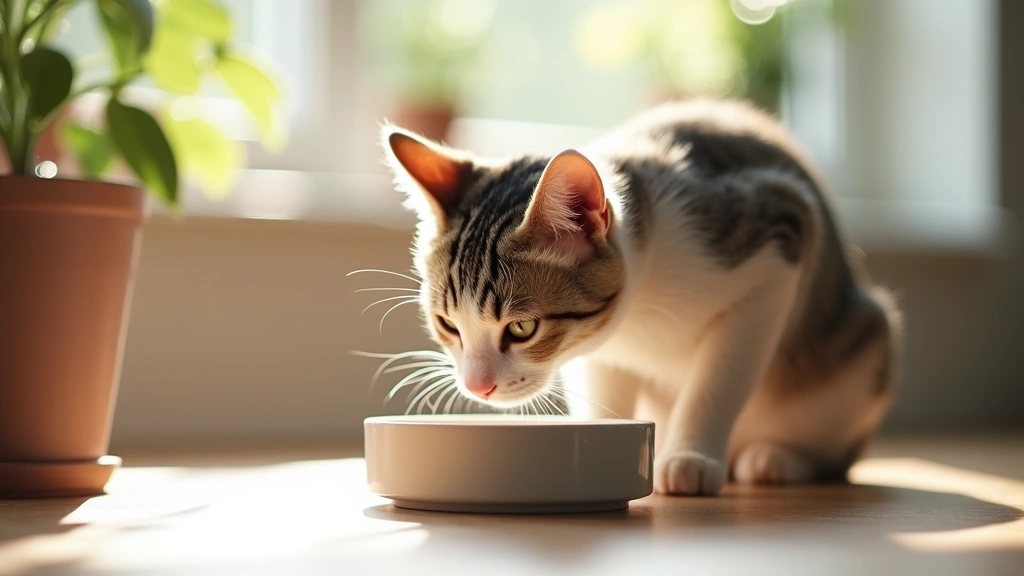
Wet food provides superior hydration, diluting urine and reducing crystal formation risk. Many veterinarians recommend a combination approach: primarily wet food supplemented with controlled-mineral dry food. For cats resistant to wet food, ensure adequate fresh water availability and consider a nutritional consultation with your vet.
Best Cat Food Brands for Urinary Health
Hill’s c/d and Royal Canin Urinary are gold-standard prescription formulas with extensive clinical backing. For over-the-counter options, Iams Urinary Care and Purina ONE offer balanced formulations at lower costs. Always verify magnesium content and consult your veterinarian before switching brands, especially if your cat has a history of urinary issues.
Frequently Asked Questions
When should I switch my cat to urinary health food?
Preventive switching is appropriate for high-risk cats (males, indoor cats, overweight cats). Immediate switching is necessary after a urinary diagnosis. Contact your veterinarian for personalized guidance.
Can diet alone prevent urinary blockages?
A comprehensive approach combining proper nutrition, hydration, exercise, and environmental enrichment offers the best protection. Consult healthcare providers for complete prevention strategies.
Are there natural alternatives to prescription urinary cat food?
While premium natural brands may offer better ingredients, prescription diets have clinical evidence. Your veterinarian can recommend natural options suitable for your cat’s specific condition. For more information, visit AAFCO standards for pet food guidelines.