
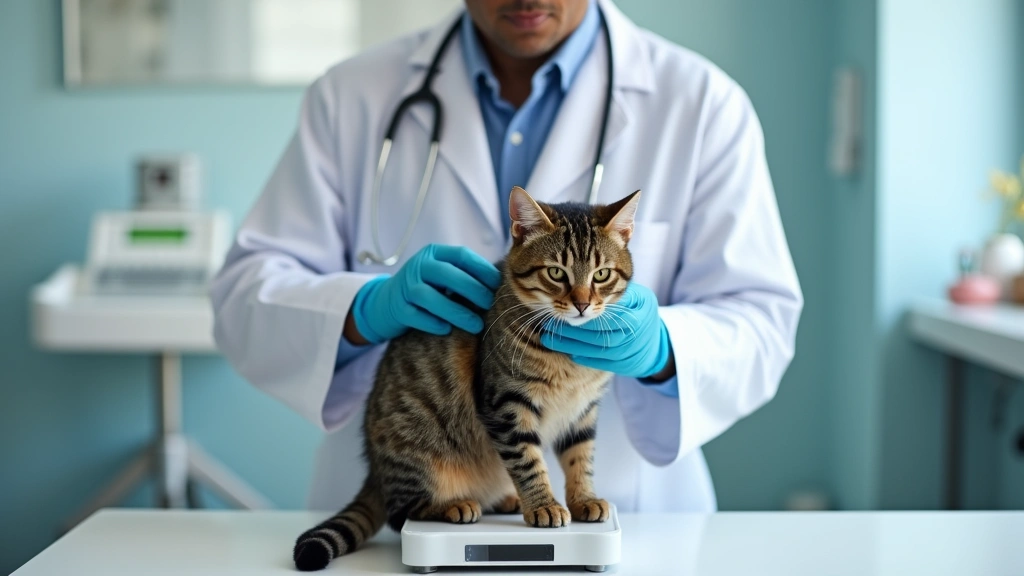
What Should I Know About My Cat’s Health and Weight?
Cat obesity has become increasingly common in recent years, with studies showing that over 60% of domestic cats are overweight or obese. Unlike humans who can self-regulate calorie intake, cats depend entirely on their owners for portion control and activity level management. Understanding your cat’s ideal weight and the factors that influence it is fundamental to preventing serious health complications and ensuring your feline companion lives a long, active life.
Weight management in cats differs significantly from dogs and humans because cats have unique metabolic requirements and nutritional needs. They are obligate carnivores, meaning they require high protein intake to maintain muscle mass and metabolic function. This biological reality shapes everything from dietary recommendations to exercise routines.
What is the ideal weight range for cats and how do I know if my cat is overweight?
Most domestic cats should weigh between 8-12 pounds, though larger breeds like Maine Coons may weigh 15-25 pounds. The best way to assess your cat’s weight is through the body condition score (BCS), a nine-point scale veterinarians use. At an ideal weight, you should feel your cat’s ribs easily when you gently press their sides, see a visible waist when looking down from above, and observe an abdominal tuck when viewing from the side.
What health problems are caused by obesity in cats?
Feline obesity is linked to type 2 diabetes, which affects up to 1 in 50 cats. Excess weight strains joints, leading to arthritis and reduced mobility. Obese cats also face increased risks of fatty liver disease, hypertension, and lower urinary tract disease. Studies show overweight cats live 2-3 years fewer than cats at healthy weights.
How can I help my cat lose weight safely?
Safe weight loss for cats should be gradual—about 1-2% of body weight per week. Rapid weight loss can trigger hepatic lipidosis (fatty liver disease), a potentially fatal condition. Work with your veterinarian to develop a personalized plan that reduces calories by 10-25% while maintaining adequate protein intake to preserve muscle mass.

What should I feed my cat to maintain a healthy weight?
Wet food typically contains fewer carbohydrates than dry kibble and higher moisture content, which promotes hydration and satiety. Prescription weight management diets formulated by veterinarians often include increased fiber and protein while reducing fat content. Avoid free-feeding and instead measure portions using a kitchen scale to ensure accurate calorie control.
How much exercise does a cat need to stay healthy and maintain weight?
Interactive play sessions that mimic hunting behaviors are most effective for weight management. Cats naturally prefer short bursts of intense activity rather than sustained exercise. Vertical spaces like cat trees encourage climbing, which builds muscle and increases daily activity. Consider puzzle feeders that require effort to access food, engaging both mind and body.
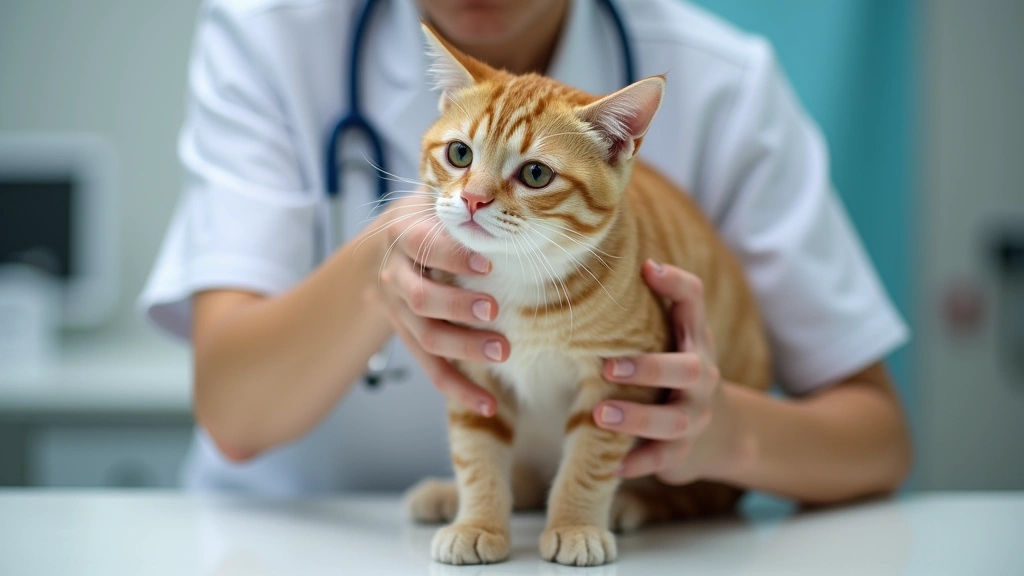
When should I take my cat to the vet about weight concerns?
Annual wellness exams should include weight assessment and body condition scoring. If you notice rapid weight gain, increased thirst, changes in appetite, or lethargy, consult your veterinarian promptly. Your vet can rule out underlying medical conditions and recommend appropriate dietary changes. Many veterinary clinics offer virtual consultations for weight management follow-ups.
Are there medical conditions that cause weight gain in cats?
Hyperthyroidism is common in older cats and can paradoxically lead to weight gain in some cases. Cushing’s syndrome and other endocrine disorders may also affect weight. Some medications, particularly corticosteroids, increase appetite and promote fat storage. Your veterinarian should perform blood work to rule out medical causes before implementing a weight loss program.
Frequently Asked Questions
How often should I weigh my cat?
Regular weigh-ins help identify weight gain before it becomes problematic. Many veterinary clinics offer free weight checks between appointments.
Can I use human weight loss supplements for my cat?
Always consult your veterinarian before giving any supplements. Feline-specific products formulated by veterinarians are the only safe option.
What’s the difference between overweight and obese cats?
Both conditions require intervention, but obesity carries more immediate health threats. Your vet can determine your cat’s exact classification using body condition scoring. For personalized guidance, consider consulting with telemedicine services that connect you with veterinary professionals.