

Common Problems Elderly People Face With Health Informatics
As healthcare increasingly shifts toward digital solutions, older adults face significant challenges navigating health informatics systems. The gap between rapid technology advancement and the needs of elderly patients creates real barriers to care. Understanding these obstacles is essential for healthcare providers, technology developers, and families supporting senior health management.
Health informatics encompasses electronic health records (EHRs), patient portals, telehealth platforms, and remote monitoring devices. For many elderly individuals, these systems feel overwhelming and inaccessible, leading to avoidance and potential health risks.
What Digital Literacy and Technology Adoption Barriers Do Elderly Patients Face?
Approximately 34% of adults aged 65+ have never used the internet, according to recent data. Those who do use technology often struggle with basic digital skills like managing passwords, downloading apps, or navigating multi-step authentication processes. The learning curve for new systems feels steep, and fear of making mistakes discourages exploration and independent use of health platforms.
How Do Usability and Interface Design Issues Affect Elderly Users?
Most health informatics systems aren’t designed with elderly users in mind. Small text, complex menu structures, and poor color contrast create accessibility barriers. Seniors with arthritis struggle with touchscreen interfaces, while those with hearing loss miss audio cues. Many systems lack voice-activation features or simplified navigation paths that could make them more senior-friendly.

What Privacy and Security Concerns Do Elderly Patients Have?
Elderly adults are frequent targets of cybercrime, making them justifiably cautious about sharing health data online. Many don’t fully understand how their information is protected or who has access to it. This concern often outweighs the benefits of digital health tools, causing seniors to opt out of using patient portals or telehealth services entirely.
How Do Elderly Patients Struggle With Telehealth and Remote Monitoring?
Telehealth platforms require reliable internet and camera setup—challenges many seniors face. Rural elderly populations often have inadequate broadband access. Even with good connections, troubleshooting technical issues feels impossible without IT support. Many seniors prefer in-person appointments where they feel more comfortable and supported.
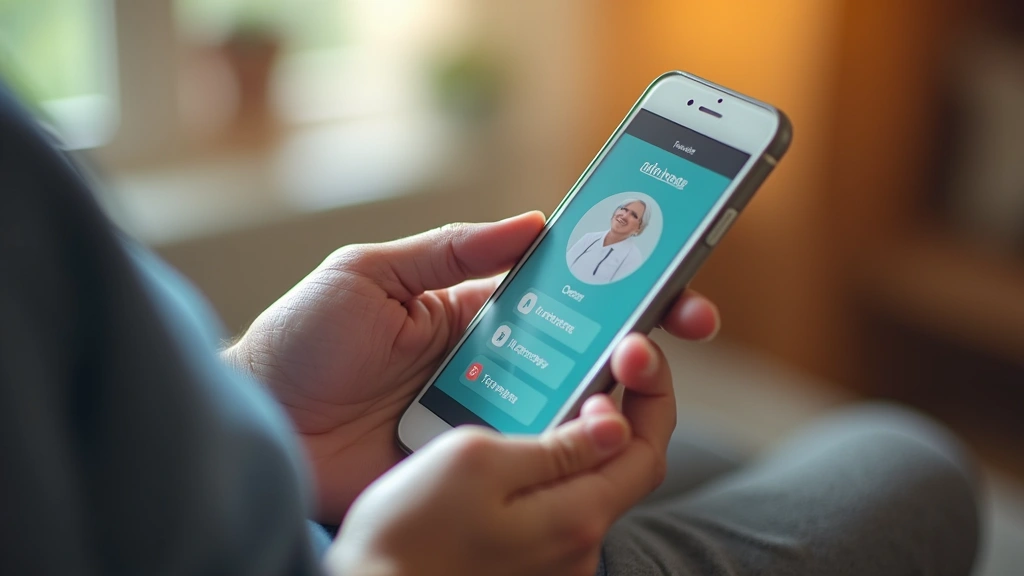
What Training and Support Resources Help Elderly Patients Navigate These Systems?
Effective solutions exist: healthcare systems offering one-on-one training sessions, large-print instructional materials, and dedicated senior support lines see better adoption rates. Remote patient monitoring programs with simplified interfaces and family involvement improve engagement. Libraries and senior centers increasingly offer technology training tailored to healthcare applications.
What Are the Consequences of Limited Health Informatics Engagement?
When elderly patients can’t access digital health tools, they miss critical health information. Medication errors increase when seniors can’t view their prescriptions online. Care coordination suffers when specialists can’t easily access patient history. Healthcare interoperability benefits are lost when patients can’t participate. This digital divide directly impacts health outcomes and quality of life.
Frequently Asked Questions
How can healthcare providers make systems more accessible for elderly users?
User-centered design focusing on elderly needs, extensive beta testing with senior participants, and accessibility compliance (WCAG standards) create better systems.
Are there age-friendly health informatics solutions available now?
Progressive healthcare organizations prioritize accessibility, and advocacy groups continue pushing for better standards.
What role can family members play in helping elderly relatives use health informatics?
Regular check-ins and patience during the learning process build confidence and encourage continued use of digital health tools.