

What is Community Health and Wellness and Why is it Important?
Community health and wellness represents a collective approach to healthcare that extends far beyond individual doctor visits. Rather than focusing solely on treating illness, these initiatives emphasize prevention, education, and building supportive environments where entire populations can achieve optimal health. This holistic model recognizes that health outcomes depend on multiple factors including access to care, education, economic stability, and social connections.
The importance of community health has become increasingly evident as healthcare systems recognize that population-level improvements require coordinated efforts across neighborhoods, schools, workplaces, and healthcare facilities. When communities invest in wellness together, they create positive ripple effects that strengthen public health infrastructure and reduce the burden of preventable diseases.
What are the Key Components of a Community Health and Wellness Program?
Effective community wellness programs integrate multiple services designed to meet diverse population needs. Preventive care forms the foundation, including vaccinations and health screenings that catch diseases early. Health education empowers residents with knowledge about nutrition, exercise, and disease prevention. Mental health services address the psychological well-being that’s essential for overall wellness. Chronic disease management programs help people with conditions like diabetes and hypertension maintain better health outcomes. Additionally, accessible fitness programs and nutrition counseling provide practical tools for lifestyle improvement.

How Do Community Health Workers Contribute to Wellness Initiatives?
Community health workers (CHWs) are frontline professionals who bridge the gap between healthcare systems and populations they serve. Often from the communities themselves, CHWs understand cultural nuances, speak local languages, and have established trust relationships. They conduct health education sessions, help people navigate healthcare systems, identify at-risk individuals, and provide support for behavior change. Their presence significantly improves program effectiveness and community engagement rates.
What are Examples of Successful Community Wellness Programs?
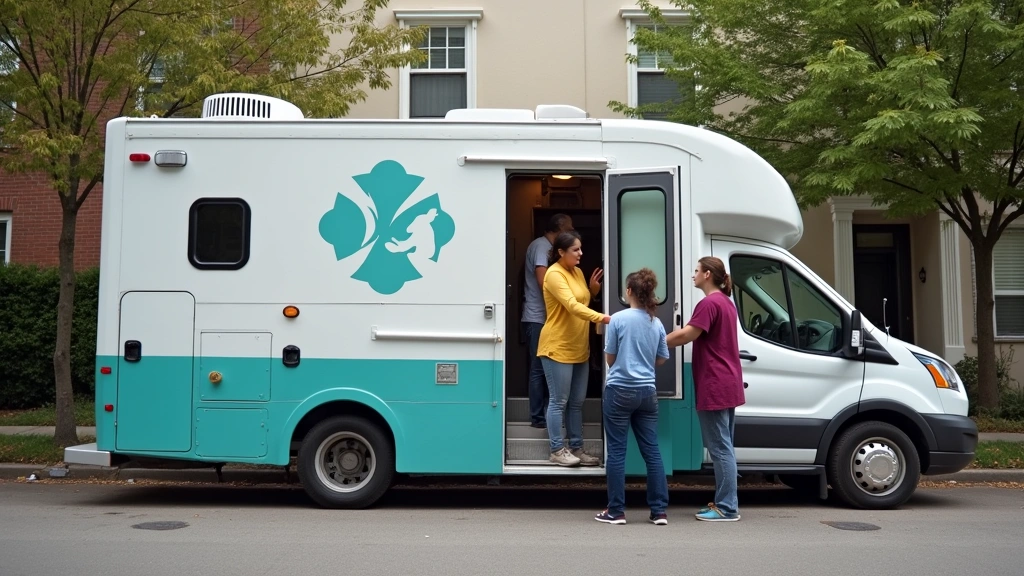
Successful programs demonstrate measurable impact on community health. Mobile health clinics bring services to underserved areas, while community gardens improve nutrition and food security. Free fitness classes increase physical activity participation across demographics. Mental health support groups reduce isolation and provide peer support. Health screening events identify early disease indicators. School-based initiatives establish healthy habits in children. Many communities now integrate online medical consultations with in-person programs for expanded access.
How Does Community Health Address Health Disparities?
Health disparities—differences in health outcomes between populations—stem from systemic barriers and social determinants. Community health programs directly address these by locating services in underserved neighborhoods, removing transportation and financial barriers, and ensuring culturally appropriate care. By tackling root causes like poverty, education gaps, and housing instability, these initiatives create conditions where all community members can achieve better health.
What Role Does Telehealth Play in Community Wellness?
Telehealth has become a critical component of modern community wellness strategies. By enabling healthcare access from home, telehealth eliminates transportation challenges that prevent many people from seeking care. Remote monitoring through remote patient monitoring allows chronic disease management without frequent office visits. Mental health support through virtual platforms, including mental health apps, reaches people who might otherwise avoid care due to stigma or accessibility issues.
How Can Individuals Get Involved in Community Health Initiatives?
Community health thrives through active participation. Volunteering with local organizations, joining fitness classes, attending health screenings, and supporting community gardens all contribute. Advocacy for policies that improve health equity amplifies impact. Many communities offer training programs for aspiring community health workers, creating career pathways while strengthening local initiatives.
What Metrics Measure the Success of Community Wellness Programs?
Evaluating community wellness requires comprehensive metrics. Health outcome improvements include reduced mortality rates, lower chronic disease prevalence, and better mental health indicators. Access metrics track how many residents receive preventive care and screening services. Engagement measures reveal community participation rates. Equity metrics specifically examine whether health disparities are narrowing. Long-term success requires sustained funding, community leadership, and commitment to addressing underlying social determinants.
Frequently Asked Questions
What’s the difference between community health and public health?
Both work together to improve population health, but with different scopes and approaches.
How much does community health investment reduce healthcare costs?
Prevention is consistently more cost-effective than treating advanced disease.
Can community wellness programs address substance use disorders?
Community-based approaches improve treatment access and recovery outcomes significantly.