

What Is Community Health Connection and How Does It Work?
Community health connections have become essential infrastructure in modern healthcare systems. They recognize that health outcomes depend not only on medical treatment but also on social factors like housing, food security, transportation, and employment. By creating pathways between patients and these resources, community health connection programs address root causes of poor health and reduce preventable hospitalizations.
These initiatives work by combining clinical services with social support, creating a holistic approach to population health. They’re particularly effective in underserved communities where healthcare access barriers are highest and health disparities most pronounced.
What Are the Main Components of a Community Health Connection Program?
Effective community health connection programs integrate five core components. Care coordination ensures patients receive timely, appropriate services across multiple providers. Health education empowers individuals to manage their conditions and make informed decisions. Resource navigation helps patients identify and access community services like food banks, housing assistance, and transportation programs. Social support networks connect patients with peer groups and community organizations. Finally, strategic partnerships with hospitals, clinics, and nonprofits create a comprehensive ecosystem of care.
How Do Community Health Workers Facilitate Health Connections?
Community health workers (CHWs) are the backbone of connection programs. These professionals, often from the communities they serve, build trust and credibility that clinical staff alone cannot achieve. They conduct outreach, provide health education, assist with appointment scheduling, and advocate for patients navigating complex healthcare systems. Research shows CHWs improve medication adherence by up to 20% and reduce hospital readmissions significantly.

What Are the Benefits of Community Health Connections for Patients?
Patients enrolled in community health connection programs experience measurable improvements. Studies demonstrate 15-30% reductions in emergency department visits and hospital readmissions. These programs improve chronic disease management, increase preventive care screening rates, and enhance mental health outcomes. Additionally, they reduce health disparities by ensuring underrepresented populations receive equitable access to services.
How Does Community Health Connection Address Social Determinants of Health?
Social determinants account for approximately 80% of health outcomes. Community health connection programs directly address these factors by linking patients with housing assistance, nutritional support, job training, and transportation services. This comprehensive approach recognizes that a patient cannot manage diabetes effectively while experiencing food insecurity or homelessness.
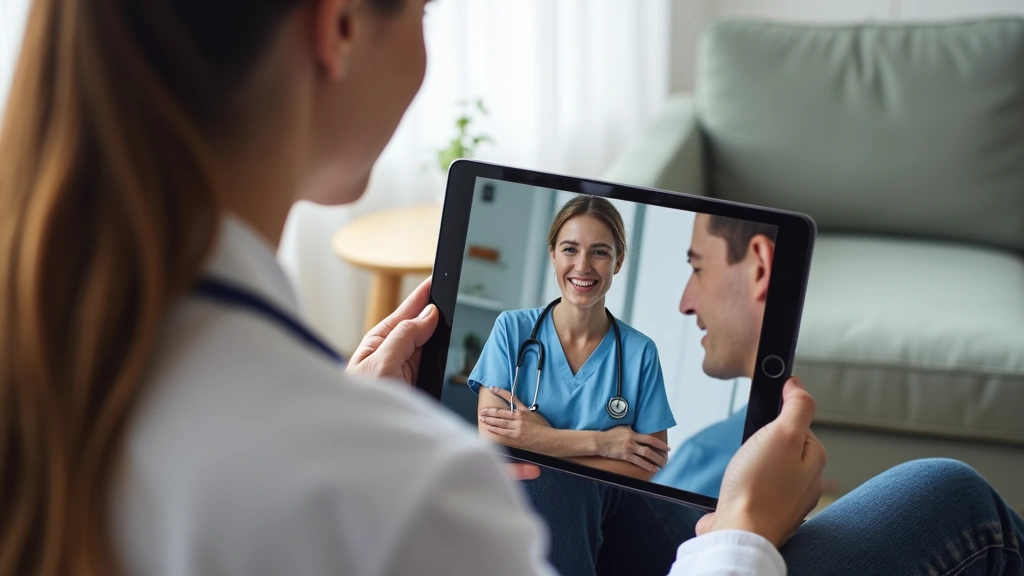
What Role Do Telehealth Platforms Play in Community Health Connections?
Digital health technologies enhance community health connections by removing geographic barriers. Telehealth prescribing enables remote consultations with specialists, while remote patient monitoring allows continuous chronic disease management. These technologies integrate with care coordination platforms, creating seamless connections between patients, community health workers, and clinical providers.
How Are Community Health Connections Funded and Sustained?
Sustainable funding models combine multiple revenue streams. Federal grants through the Health Resources and Services Administration (HRSA) support community health worker programs. Value-based insurance design reimburses providers for care coordination and community health services. Hospital systems invest in community health connections as part of community benefit requirements. This diversified approach ensures programs can expand and sustain operations long-term.
What Are Examples of Successful Community Health Connection Initiatives?
Successful models demonstrate measurable impact. Federally qualified health centers serve 28 million Americans through integrated primary care and social services. Community paramedicine programs deploy emergency responders to provide preventive care and social support. Hospital at home programs combine clinical monitoring with community-based care. These initiatives prove that investing in community health connections reduces costs while improving outcomes.
Frequently Asked Questions
How do I access community health connection services in my area?
Most programs are free or low-cost and available to uninsured and underinsured individuals. Your healthcare provider can provide referrals to local community health workers and care coordination services.
What qualifications do community health workers need?
Growing professionalization includes standardized competencies, certification exams, and continuing education requirements to ensure quality and consistency across programs.
How do community health connections measure success?
Programs track clinical outcomes, social determinant improvements, and return on investment to demonstrate effectiveness and secure continued funding.