

What Does Complete Children’s Health Encompass?
Complete children’s health is not limited to treating illness—it’s a holistic approach that encompasses every dimension of a child’s development. This includes regular medical check-ups, age-appropriate vaccinations, mental health support, proper nutrition, and developmental screening. Parents and healthcare providers must work together to identify potential health issues early and support healthy growth throughout childhood and adolescence.
Understanding what constitutes complete children’s health helps families make informed decisions about their child’s care and ensures they receive comprehensive support from qualified healthcare professionals.
What Are the Key Components of a Child’s Complete Health Assessment?
A comprehensive children’s health assessment conducted by a pediatrician involves multiple components working together. Physical examinations measure growth patterns, check vital signs, and evaluate organ function. Developmental screenings assess motor skills, language development, and cognitive abilities against age-appropriate milestones. Behavioral evaluations identify emotional or social concerns early, while nutritional assessments ensure children receive adequate nutrients for optimal growth. Complete records of immunizations and family health history help identify genetic risks and prevent disease.
What Preventive Care and Vaccinations Are Essential for Children at Different Ages?
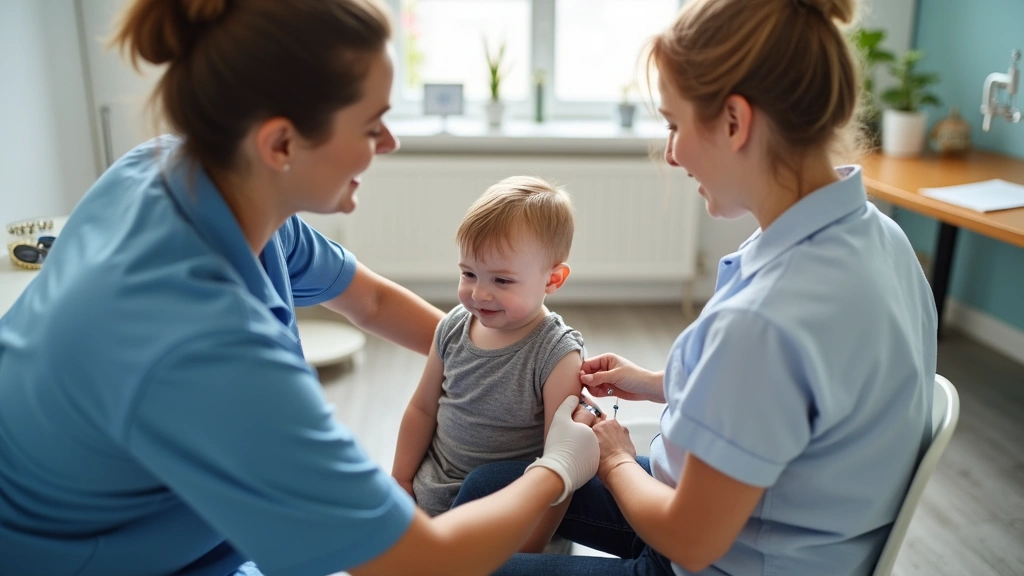
The CDC vaccination schedule outlines essential immunizations from birth through age 18. Newborns receive their first vaccines within 24 hours, with additional doses scheduled throughout infancy and childhood. Beyond vaccinations, preventive care includes regular wellness visits at 2 weeks, 2 months, 4 months, 6 months, 9 months, 12 months, and annually thereafter. Dental check-ups should begin by age one, while vision and hearing screenings identify problems that could affect learning and development.
Access to online primary care doctors makes scheduling these essential preventive visits more convenient for busy families.
How Does Mental and Emotional Health Factor Into Complete Children’s Health?
Mental and emotional health is equally important as physical health in complete children’s care. Pediatricians screen for anxiety, depression, and behavioral concerns during routine visits. Social-emotional development, including the ability to form relationships and manage emotions, directly impacts academic performance and long-term health. Early identification of mental health issues allows for timely intervention through counseling, behavioral therapy, or medication when appropriate.
What Role Does Nutrition and Physical Activity Play in Complete Children’s Health?
Nutrition during childhood directly affects brain development, bone strength, and immune function. The Mayo Clinic recommends a balanced diet rich in fruits, vegetables, whole grains, and lean proteins. Physical activity—at least 60 minutes daily for children ages 6-17—improves cardiovascular health, strengthens bones, and supports mental well-being. Together, proper nutrition and exercise prevent childhood obesity, which affects over 19% of U.S. children.

How Can Parents Access Comprehensive Children’s Health Services?
Multiple pathways exist for accessing complete children’s health services. Traditional pediatric practices provide comprehensive in-person care, while online medical consultations offer convenient alternatives for routine visits and follow-ups. School-based health programs provide screenings and preventive services, while community health centers serve underinsured and uninsured populations. Integrated care models coordinate services across multiple providers to ensure nothing falls through the cracks.
What Health Screenings and Tests Should Children Receive Regularly?
Routine screenings form the foundation of preventive children’s health. Growth charts track height and weight against age norms, identifying potential nutritional or endocrine issues. Blood pressure monitoring begins in early childhood to detect hypertension. Vision and hearing tests, typically performed annually, catch problems that could affect learning. Developmental screenings using standardized tools assess cognitive, motor, and social-emotional progress. Age-appropriate laboratory tests, such as newborn screening panels and lead level checks, identify treatable conditions early.
How Do Socioeconomic Factors and Access Affect Complete Children’s Health Outcomes?
Socioeconomic factors significantly influence children’s health outcomes. Families with limited insurance coverage or living in rural areas face barriers to accessing comprehensive care. Low-income families may struggle with transportation, time off work, or affording medications and specialized services. These disparities result in delayed diagnoses, missed preventive care, and worse health outcomes. Addressing complete children’s health requires systemic solutions including expanded insurance coverage, telehealth accessibility, and community-based resources.
Frequently Asked Questions
What age should children start seeing a pediatrician regularly?
Newborns require their first pediatric evaluation before leaving the hospital. Subsequent visits follow a schedule of frequent check-ups during infancy, then annual wellness visits through adolescence, with additional visits as needed for illness or concerns.
How can parents monitor their child’s complete health between doctor visits?
Parents play a crucial role by observing developmental progress, tracking eating and sleeping patterns, noting behavioral changes, and maintaining open communication with healthcare providers about concerns.
What should be included in a child’s health records?
Healthcare interoperability ensures these records are accessible to all providers involved in your child’s care, improving continuity and safety.