
What Are the Most Common Health Issues That Affect Dachshunds?
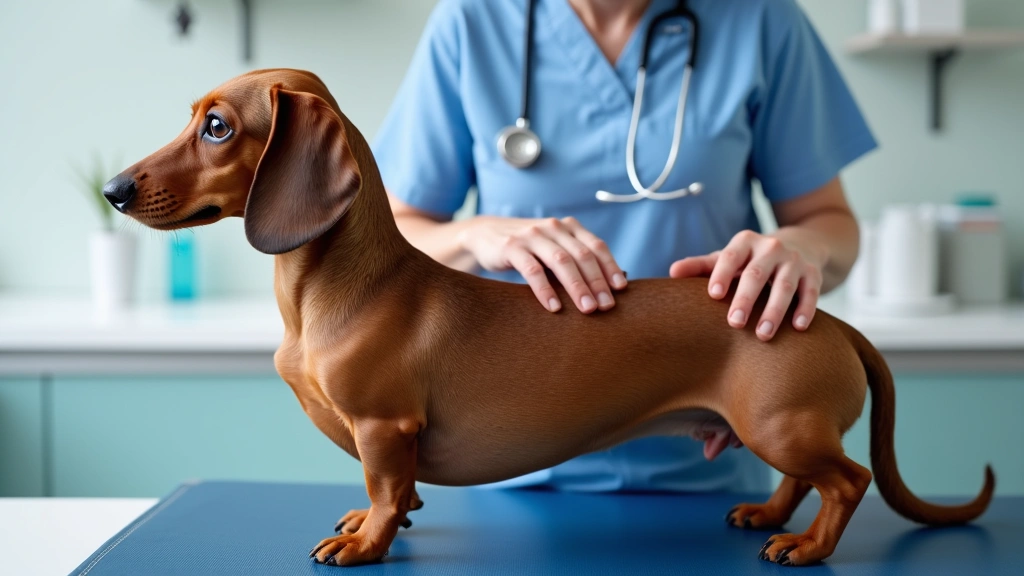
Dachshunds are beloved companion dogs known for their distinctive long bodies and short legs, but these physical characteristics come with significant health challenges. Understanding the most common health issues affecting this breed is essential for responsible ownership and early disease detection. Breed-specific conditions require targeted prevention strategies and ongoing veterinary monitoring to ensure your dachshund lives a long, healthy life.
The elongated spine that makes dachshunds visually distinctive also makes them vulnerable to specific spinal and structural health problems. Combined with their predisposition to weight gain and inherited genetic conditions, dachshund owners must be proactive about preventive care and early intervention. This comprehensive guide covers the most critical health issues affecting dachshunds and evidence-based strategies to minimize risk.
What Is Intervertebral Disc Disease (IVDD) and Why Are Dachshunds Susceptible to It?
Intervertebral disc disease is the leading neurological condition affecting dachshunds. The breed’s chondrodysplasia—a genetic condition causing abnormal cartilage development—weakens the discs that cushion vertebrae. When these discs herniate, they compress the spinal cord, causing pain, mobility issues, and potentially paralysis. Early detection through imaging and immediate veterinary intervention can prevent permanent nerve damage.
How Can Obesity Contribute to Health Problems in Dachshunds?
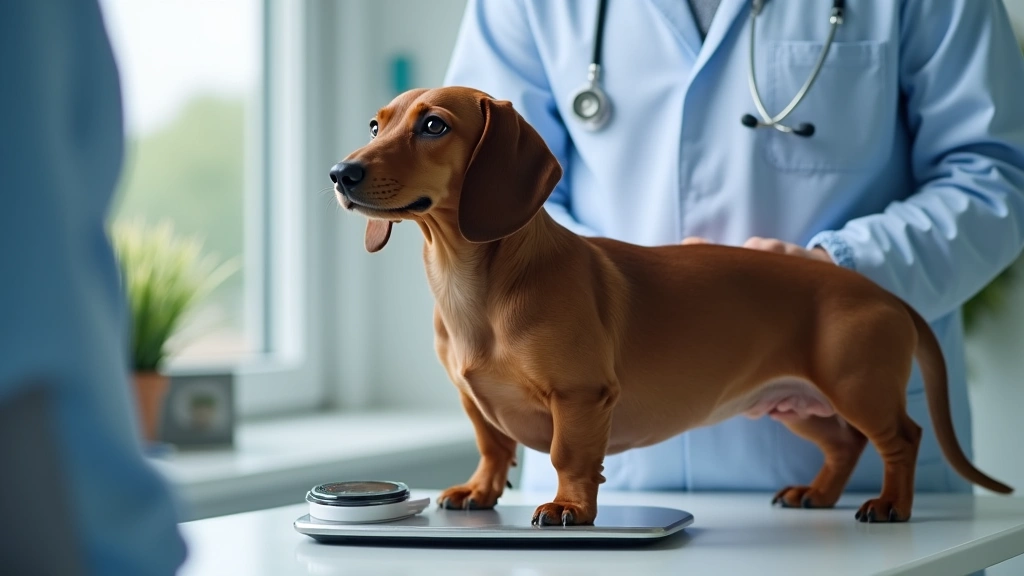
Obesity is particularly dangerous for dachshunds because their elongated spine cannot adequately support excess weight. Overweight dachshunds experience accelerated disc degeneration, joint deterioration, and metabolic complications. Maintaining ideal body weight through portion control and regular exercise is one of the most effective preventive strategies for extending lifespan and reducing IVDD severity.
Why Are Dachshunds Prone to Ear Infections and How Can They Be Prevented?
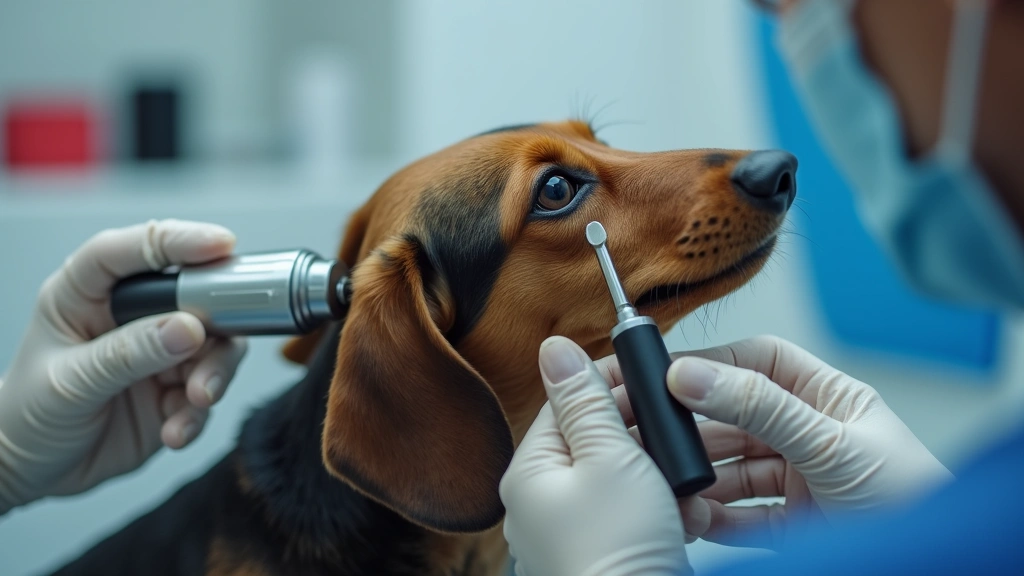
Dachshunds’ anatomical ear structure predisposes them to chronic otitis externa. Weekly ear inspections, gentle cleaning with veterinary-approved solutions, and prompt treatment of early infection signs prevent serious complications. Dogs with allergies require more frequent ear monitoring and management of underlying allergic conditions.
What Dental Problems Do Dachshunds Commonly Experience?
Dental disease affects 80% of dachshunds over age three. Their small mouths create crowding that accelerates plaque accumulation and periodontal disease. Daily tooth brushing, annual professional cleanings, and dental treats significantly reduce tooth loss and associated infections that can damage kidneys and heart.
What Are the Signs and Symptoms of IVDD in Dachshunds That Owners Should Watch For?
Early recognition of IVDD symptoms is critical for treatment success. Dogs showing acute pain, dragging hind legs, or incontinence need emergency imaging and evaluation. Mild symptoms like reluctance to jump or stiffness warrant prompt veterinary assessment to prevent progression to paralysis.
What Preventive Measures Can Dachshund Owners Take to Reduce Health Risks?
Comprehensive preventive care is the most effective approach. Use ramps or stairs to minimize spinal stress, provide moderate daily exercise appropriate for their size, maintain dental hygiene through regular brushing, and schedule annual wellness exams. Pet insurance specifically covering hereditary conditions like IVDD protects against catastrophic expenses. Consider consulting with veterinary specialists for breed-specific guidance on nutrition and exercise protocols.
Frequently Asked Questions
How much does treatment for common dachshund health issues typically cost?
Emergency IVDD treatment represents the largest potential expense. Conservative management with rest and medication costs significantly less than surgery but may not prevent paralysis. Pet insurance can offset these costs when enrolled before symptoms appear.
At what age do dachshunds typically develop IVDD?
Early-onset IVDD correlates with genetic predisposition and body weight. Preventive measures should begin in puppyhood to minimize risk throughout the dog’s lifespan.
Can dachshunds recover from IVDD paralysis?
Time is critical in IVDD emergencies. Consult a veterinary neurologist immediately if your dachshund shows paralysis signs. Physical rehabilitation following surgery improves outcomes significantly. For more information about health conditions and preventive strategies, consult the Orthopedic Foundation for Animals or speak with your veterinarian about breed-specific health screening.