

What Is Dental Telehealth and How Does It Work?
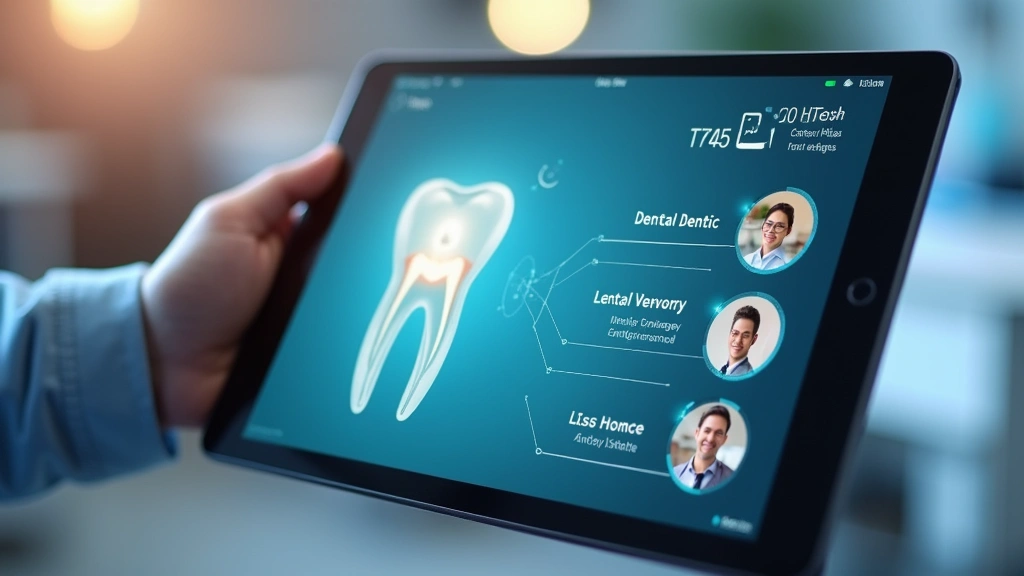
Dental telehealth represents a significant shift in how patients access oral healthcare. By leveraging video conferencing, secure messaging, and digital imaging tools, dentists can now evaluate patients’ dental concerns remotely and provide guidance without requiring them to travel to a physical office. This approach has become increasingly popular since the pandemic and continues to reshape dental practice delivery.
The technology behind dental telehealth relies on HIPAA-compliant platforms that ensure patient privacy while enabling real-time communication. Patients simply schedule appointments through a dental practice’s online portal, receive a secure video link, and connect with their dentist at the scheduled time using a smartphone, tablet, or computer.
What Types of Dental Services Can Be Provided Through Telehealth?
Dental telehealth is ideal for initial consultations where dentists assess symptoms, review medical history, and discuss treatment options. Dentists can evaluate visible concerns like cosmetic issues, tooth discoloration, or bite problems through video. Follow-up appointments after procedures, prescription refills, and post-operative check-ins are also well-suited for remote delivery. However, preventive care requiring hands-on work—such as cleanings, X-rays, fillings, and extractions—must occur in-person.
How Effective Is Dental Telehealth Compared to In-Person Visits?
Research shows that virtual dental consultations effectively identify many dental concerns and guide patients toward appropriate treatment. However, dentists cannot perform clinical examinations, take radiographic images, or assess tactile sensitivity remotely. Dental telehealth works best as a complementary tool—handling initial triage and follow-ups while directing patients to in-person care for definitive diagnosis and treatment.
What Are the Benefits and Advantages of Using Dental Telehealth?
Dental telehealth dramatically improves access for patients in rural or underserved areas where dental specialists are scarce. It eliminates travel time and transportation costs, making dental care more affordable and convenient. Patients can often schedule appointments faster, and online scheduling systems reduce administrative friction. For working professionals and parents, remote consultations fit easily into busy schedules without requiring time off work.

What Are the Limitations and Challenges of Dental Telehealth?
The primary limitation is that dentists cannot physically examine teeth, take X-rays, or perform any treatment remotely. State-by-state regulatory variations create compliance challenges, and some states restrict which services dentists can provide via telehealth. Additionally, diagnostic accuracy may suffer without comprehensive clinical assessment, potentially leading to misdiagnosis or missed conditions requiring immediate in-person evaluation.
How Much Does Dental Telehealth Cost and Is It Covered by Insurance?
Dental telehealth consultations generally cost less than in-person visits, ranging from $50–$150 depending on the provider and consultation complexity. Many major dental insurance carriers now cover telehealth consultations similarly to in-person visits. Medicaid coverage varies by state, and some employers’ dental plans explicitly include telehealth benefits. Prescription management through telehealth may also be covered, though this depends on individual plan terms.
What Are the Best Dental Telehealth Platforms and Providers?
Leading dental telehealth providers use secure, HIPAA-compliant video platforms that integrate with electronic health records. Many traditional dental practices now offer digital transformation solutions including virtual consultations. When selecting a provider, verify that the platform uses encrypted communication, maintains proper licensing in your state, and integrates healthcare cybersecurity standards to protect patient data.
What Are the Regulatory and Licensing Requirements for Dental Telehealth?
Dentists providing telehealth services must hold a valid dental license in the patient’s state—interstate practice is generally not permitted without additional licensing. State dental boards regulate which services can be delivered remotely, and these rules vary significantly. All platforms must comply with HIPAA privacy regulations and maintain secure patient records. Many states require that dentists establish a prior patient-provider relationship before offering telehealth services, though some allow initial consultations remotely.
Frequently Asked Questions
Can I get a dental diagnosis through telehealth?
Telehealth dentists can evaluate visible symptoms and provide educated assessments, but comprehensive diagnosis typically requires physical examination, X-rays, and clinical testing available only in-person.
Is dental telehealth secure and private?
Licensed telehealth providers must comply with federal HIPAA regulations. Verify that your chosen platform uses end-to-end encryption and secure data storage before sharing personal health information.
Do I still need in-person dental visits if I use telehealth?
Dental telehealth is most effective when used alongside traditional dental visits. Routine cleanings, comprehensive exams, and preventive care still require in-person appointments with your dentist.